Bridging The Gown and The Town: KIU Holds Workshop on Financial Literacy For Youth Empowerment
- Obinna Osigwe
- /
- March 05, 2026
- 702
By Jacob Munghesi
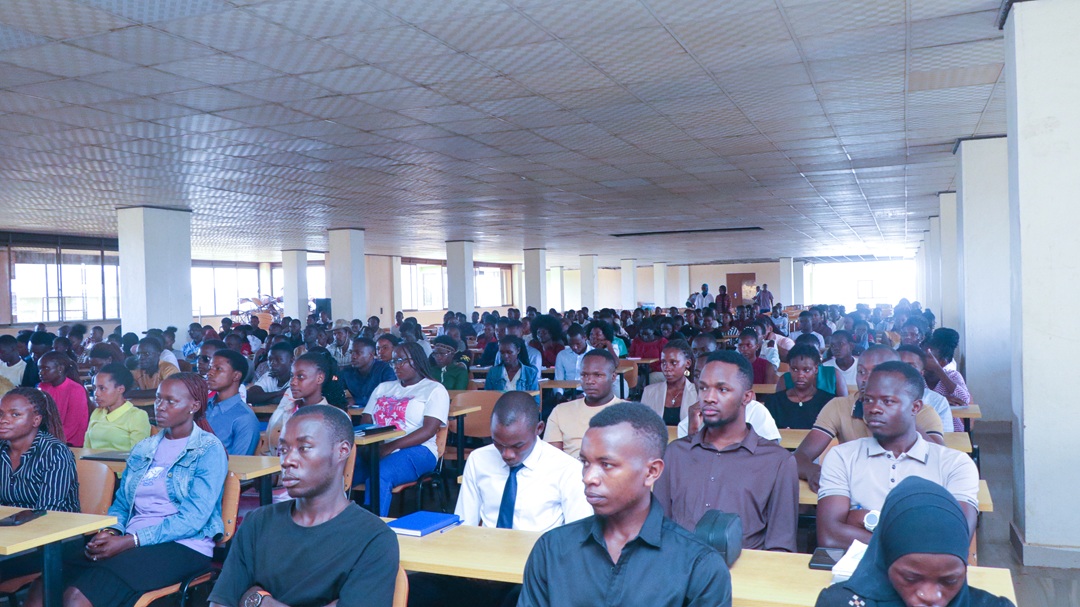
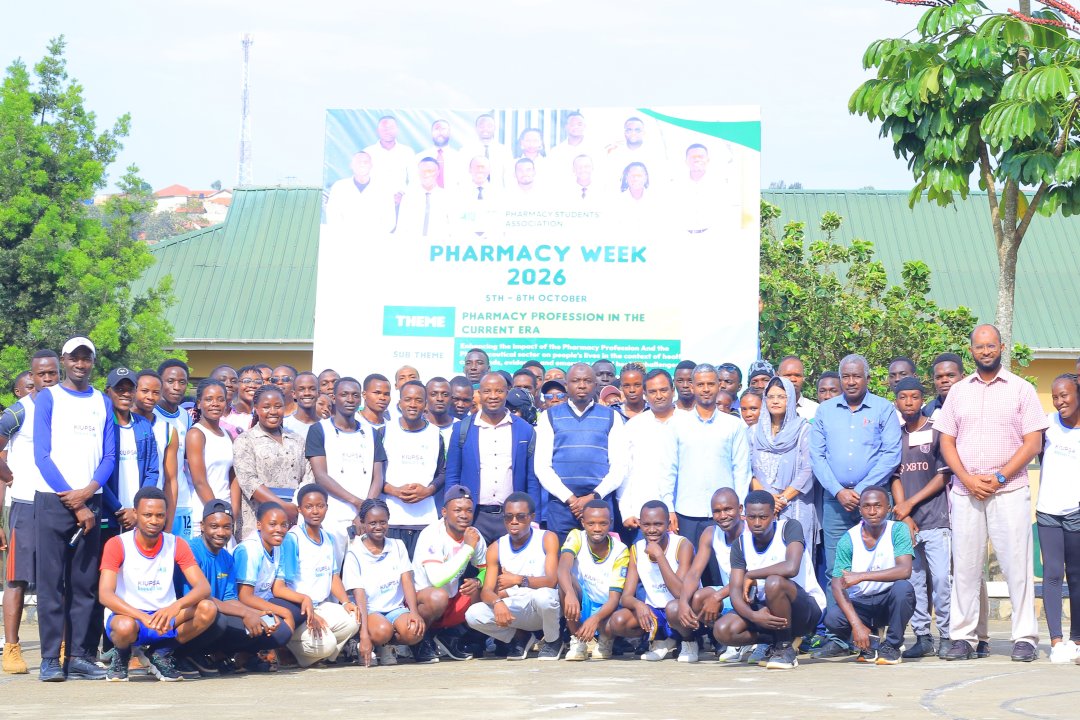
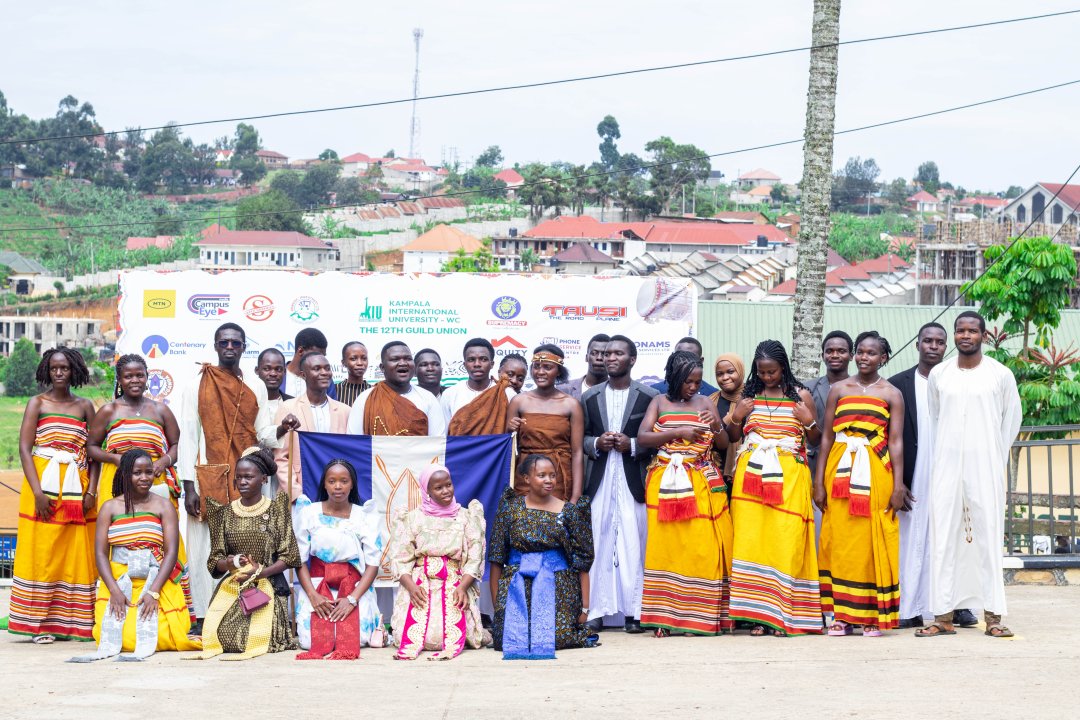
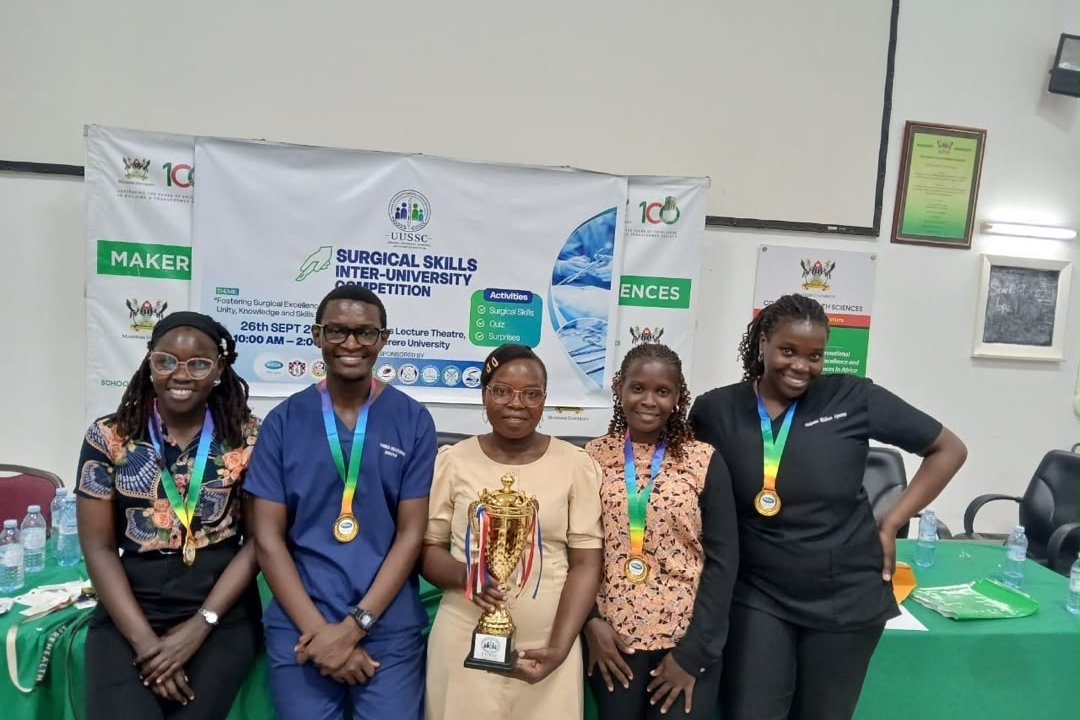
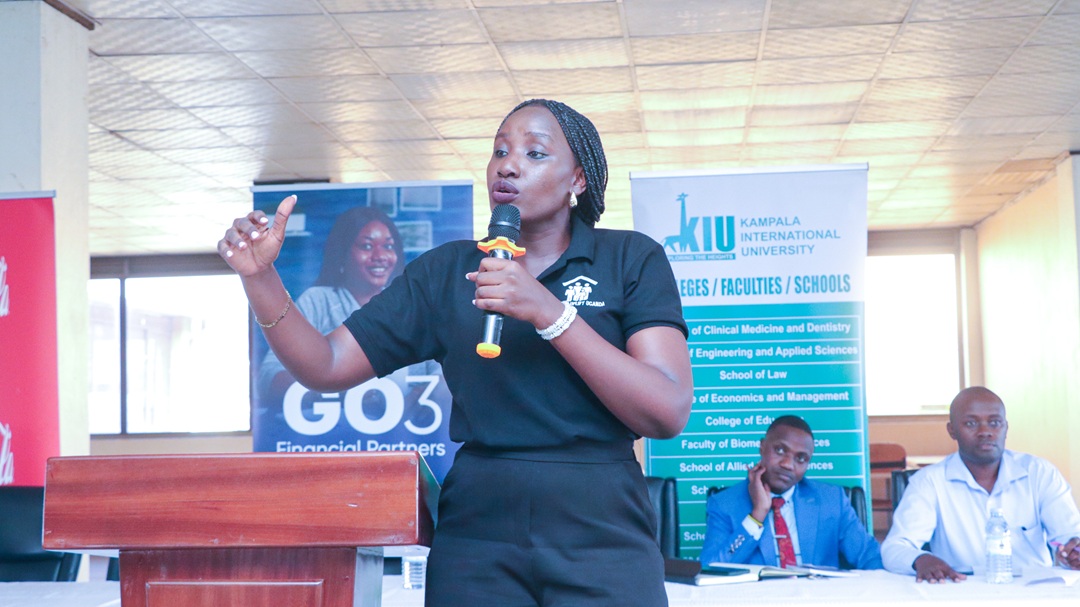
KIU, Main Campus - On 4th March, the College of Economics and Management, in collaboration with the Directorate of Research, Innovations, Consultancy and Extensions (DRICE) conducted a high-impact worshop on Youth Economic Empowerment through Financial Literacy and Entrepreneurship, bringing industry leaders and professionals into direct engagement with students. In this highly attended event, students were urged to embrace financial literacy as a practical pathway to youth economic empowerment.
In his opening remarks, the Deputy Vice Chancellor for Academic Affairs (DVCAA), Dr. Jacob Eneji Ashibi, emphasized the university’s commitment to extend learning beyond the classroom. He noted that while lecturers provide academic knowledge, the “gown” - the university is increasingly inviting industry professionals, the “town” - to equip students with hands-on experience and practical insights.
The new curriculum won’t restrict you to the classroom. We are trying our best to bring professionals to bridge the gap between the town and gown,” he said.
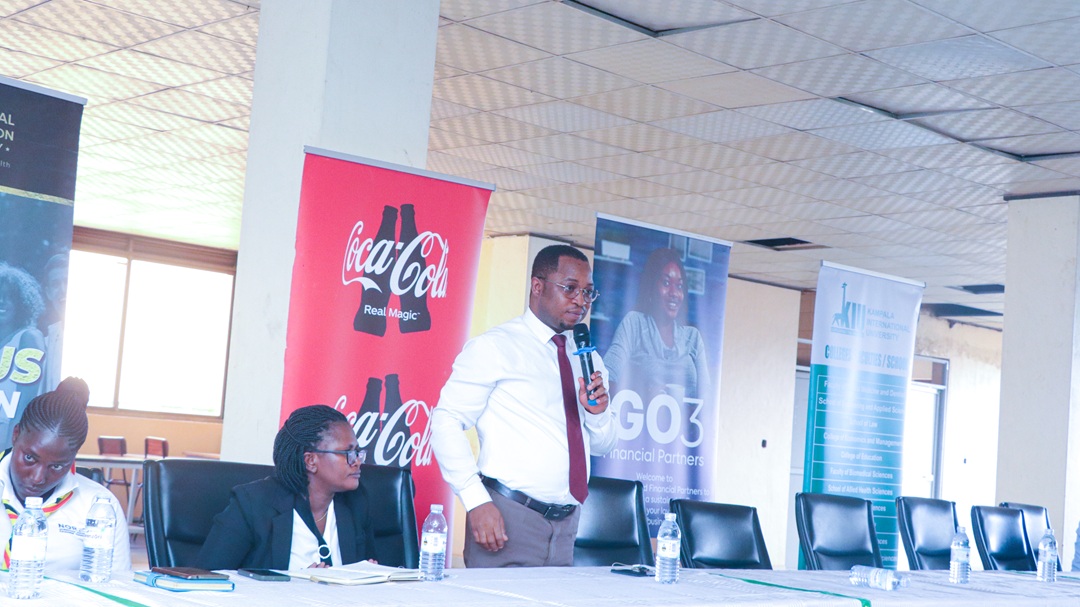
The Deputy University Secretary and Campus Administrator, Ms. Christine Ainebyoona, in her speech, cautioned students against taking public lectures for granted, especially those focused on financial literacy. She described them as practical sessions that demand real-life application. She encouraged them to always take advantage of the opportunities the University avails to them to learn.
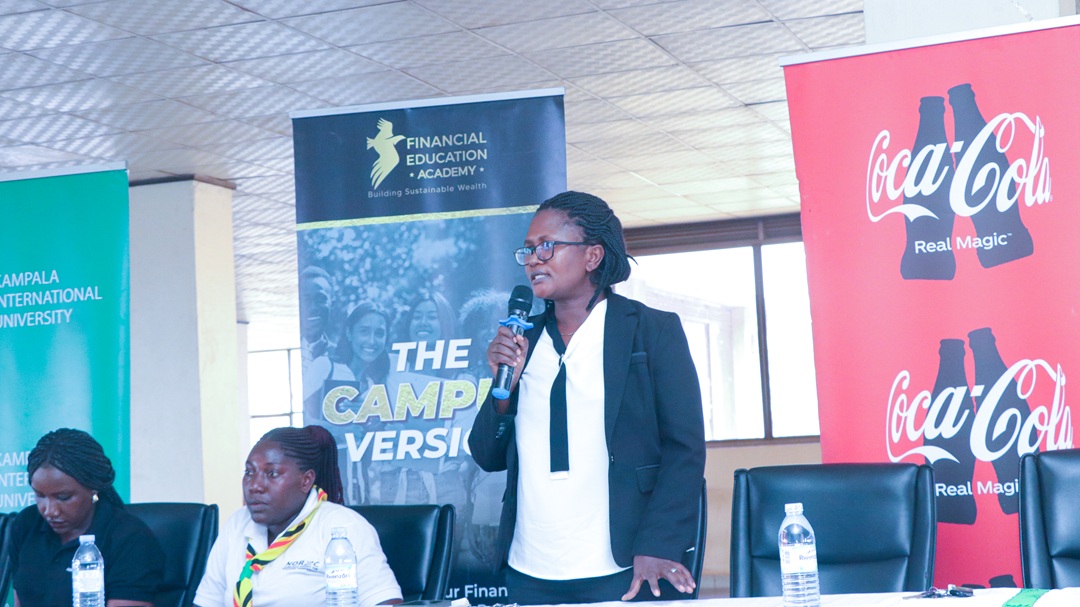
Munduru Mwajuma Esther challenged students to rethink their relationship with money, observing that many are academically strong but financially unprepared.
“Many students are book smart but financially incorrect. We need to strike a balance between books and finances,” she said.
She encouraged students to consider volunteering as a strategic step toward career growth, noting that humility and service often open doors to employment opportunities. According to her, financial literacy goes beyond classroom theory and involves understanding how to earn, manage, and sustainably grow money.
Munduru further advised students to take advantage of the resources already within their reach. “You can start something while still at university. Use the skills and the phones you have to make money,” she urged, encouraging innovation and entrepreneurship even with limited capital.
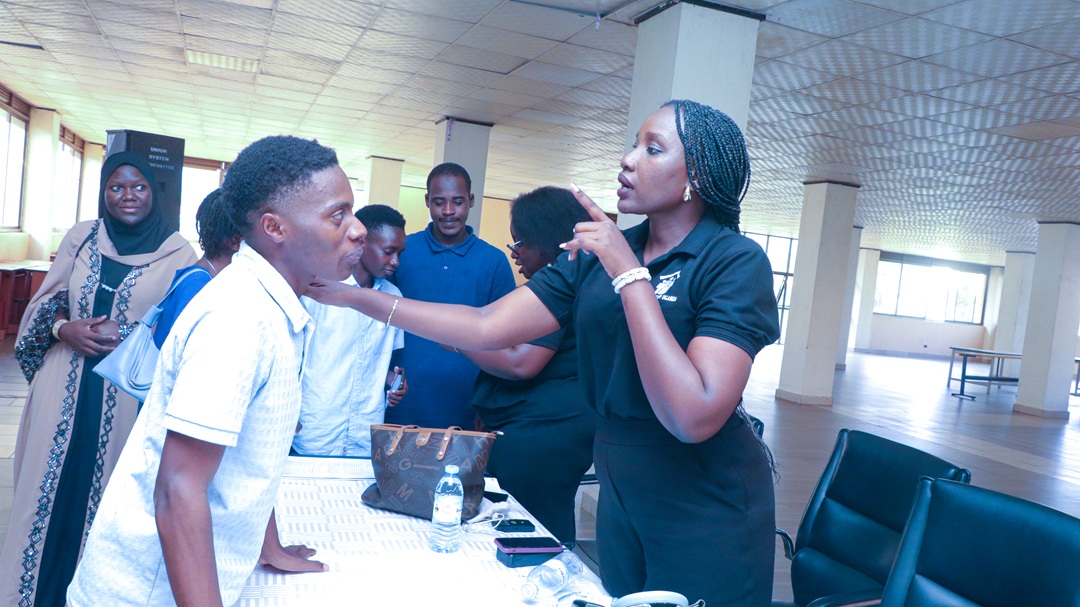
Hannah Arinaitwe, Founder of Art4Change Uganda and Young and Branded podcast, challenged students to shift their mindset about youth and responsibility. She cautioned against using youth as an excuse for inaction.
“You could be young, but act mature and do great things. Don’t wait to grow,” she said.
Arinaitwe emphasized the importance of visibility and personal branding in today’s digital economy. She urged students to confidently communicate their skills, build proof of work, and consistently position themselves for opportunities.
“Opportunities follow people who are being seen,” she noted. “Never leave a place without letting people know what you do.”
She also encouraged responsible use of social media, highlighting its power in building brands and increasing earning potential. According to her, consistency, aggression in pursuing opportunities, and understanding one’s value are critical ingredients for success.
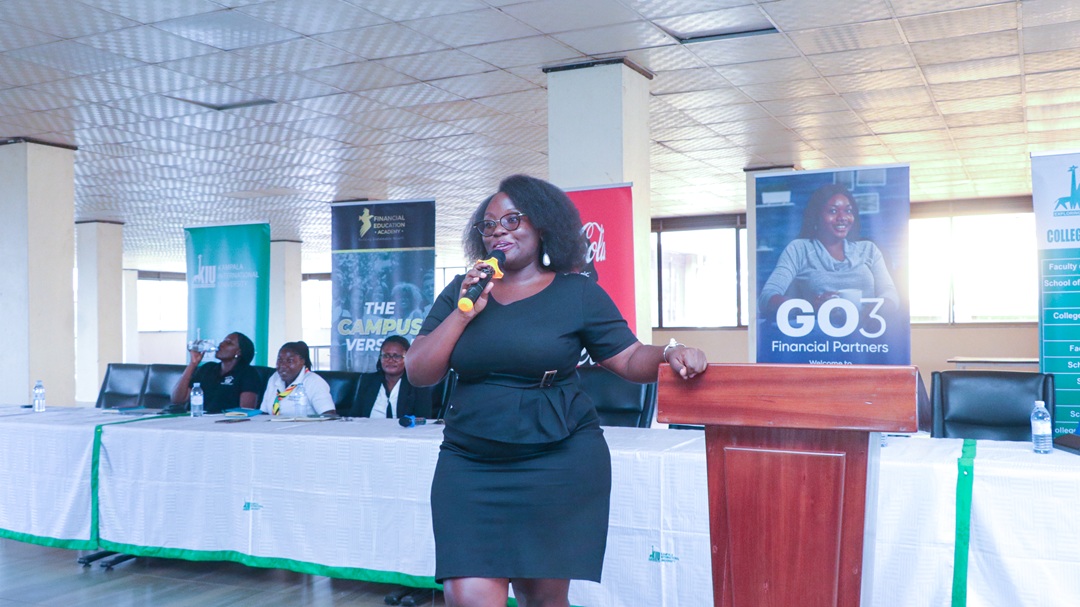
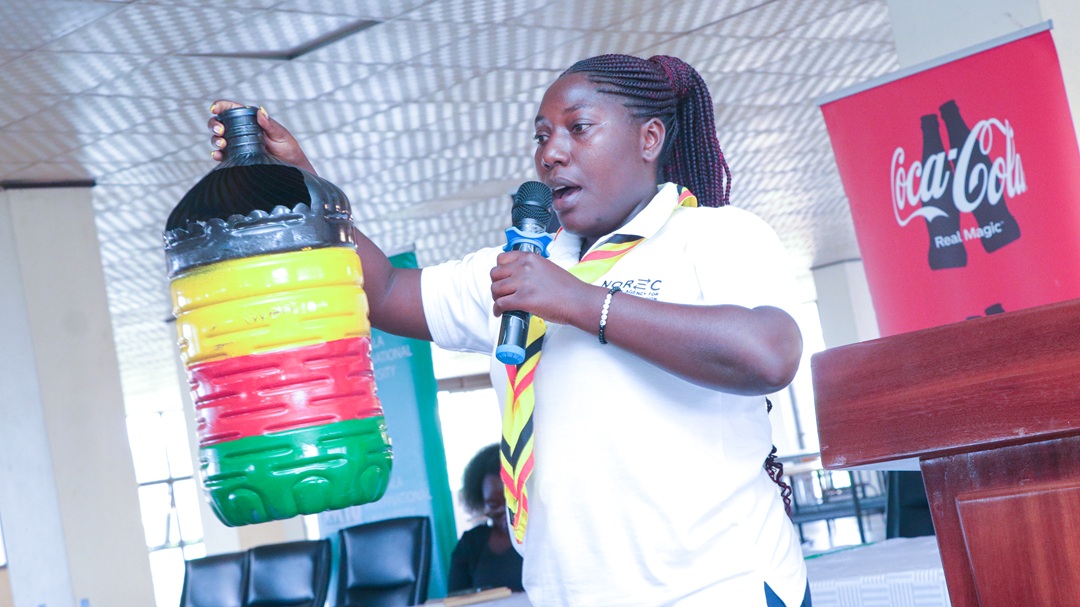
Adding an environmental and innovation perspective, Christine Ndagire, Project Coordinator, Uganda Girls Guides Association challenged students to view waste as hidden wealth.
“You can come up with innovation from what many consider useless,” she said. “The waste you see is just hidden wealth.”
Ndagire explained how she and her colleagues create valuable products from waste materials and now focus on training teachers to develop instructional materials on waste management and innovation. Though originally a classroom teacher, she now empowers fellow educators to integrate creativity and sustainability into learning.
The lecture concluded with a strong call to action for students to embrace financial literacy not merely as an academic concept but as a lifelong skill essential for economic independence. Speakers unanimously agreed that in a rapidly evolving, digital, and competency-based economy, students must act early, remain visible, innovate boldly, and turn available resources into sustainable wealth.
The public lecture reaffirmed the College of Economics’ commitment to producing graduates who are not only academically competent but also financially empowered and industry-ready.