From Waste to Wealth: KIU Lecture Explores Smart Organic Fertilizer for Food Security
- Obinna Osigwe
- /
- July 31, 2026
- 817
By Hattie Wright
Kampala International University (KIU) pushed the conversation on food security into new territory on 31st July 2026, when experts, students, researchers, and industry leaders convened for a public lecture on organic fertilizer manufacturing.
The lecture, themed “Organic Fertilizer Manufacturing: Process Optimization and Quality Enhancement for Sustainable Waste Management, Soil Health, and Food Security,” was more than a scientific discussion; it was a powerful reminder that waste can be transformed into wealth and that soil remains the silent foundation of human survival.
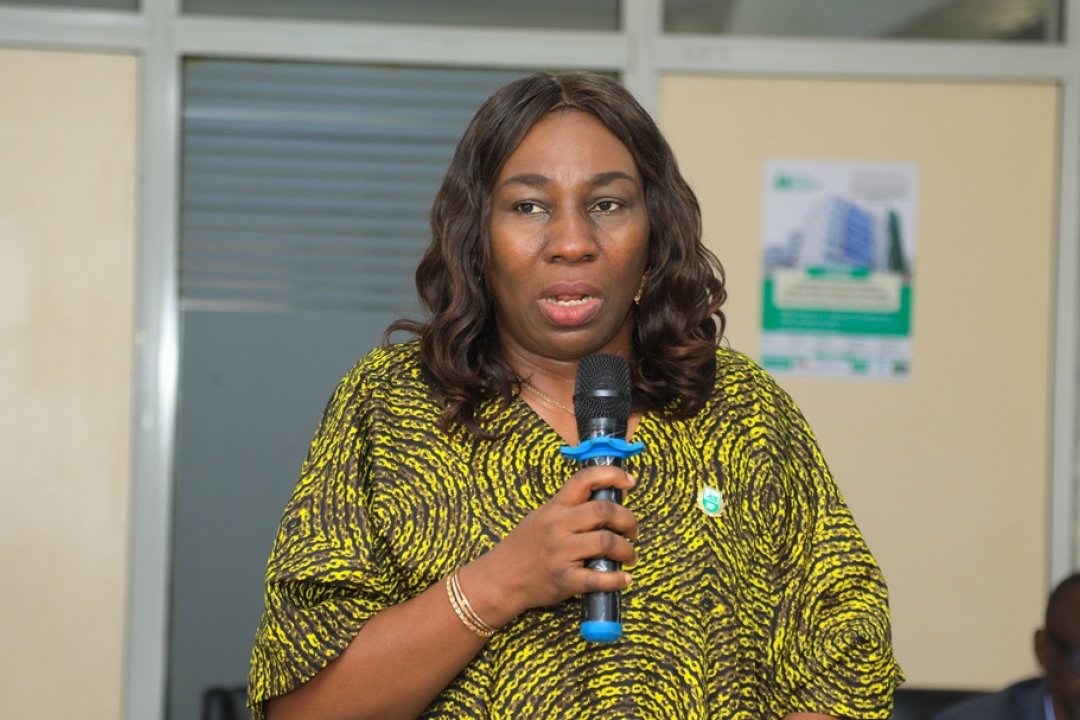
In her opening remarks, Prof. Regina Ejemot Nwadiaro reflected on the intersection between soil health, environmental stewardship, and national development. She highlighted that organic fertilizer is not merely an agricultural supplement but a critical tool in restoring degraded soils, improving crop yields, and reducing dependence on costly imported inorganic fertilizers.
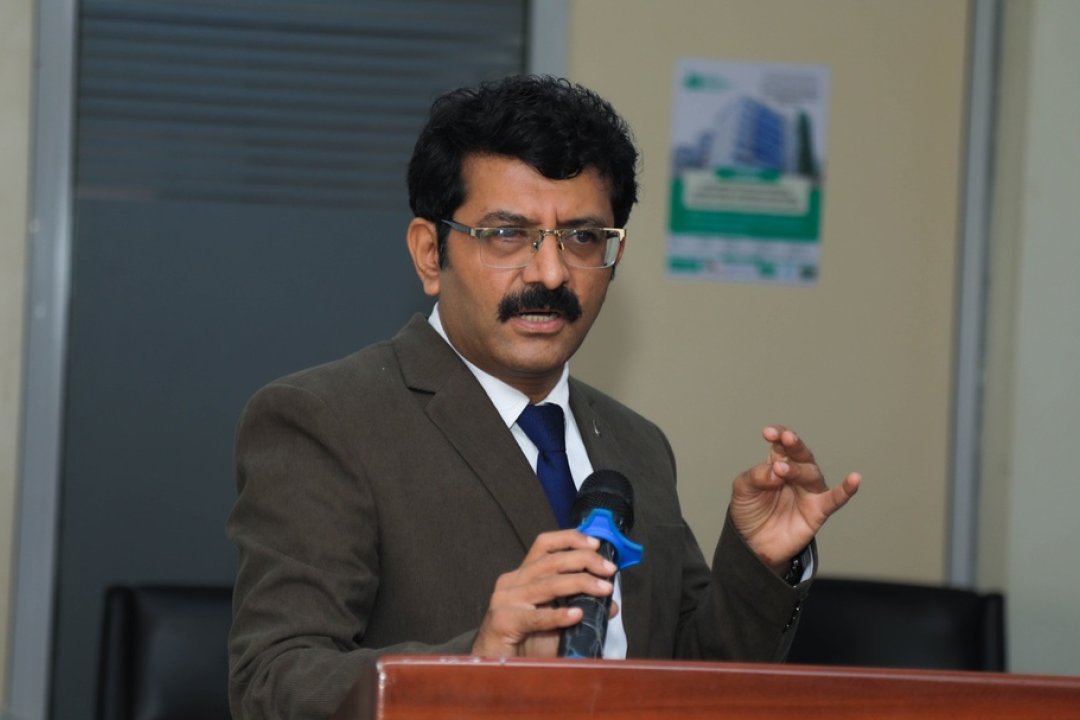
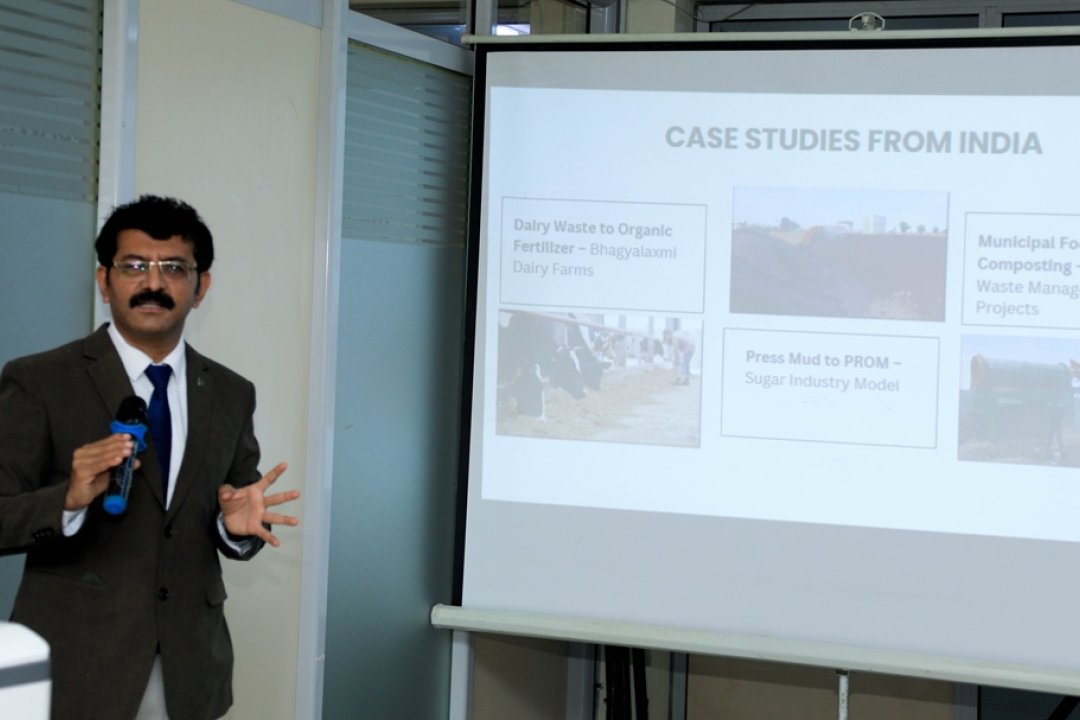
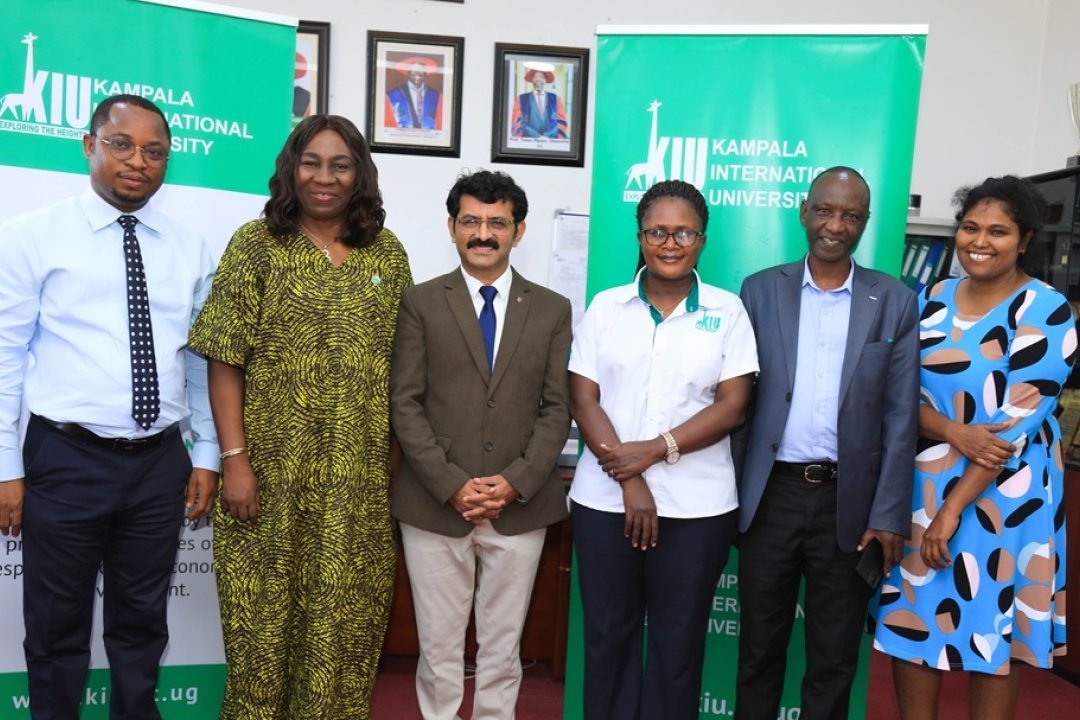
In his presentation, Dr. Rahul P. Padwal, CEO of Shriram Agro Industries in Pune, India, delivered a clear and compelling message: organic fertilizer is not just an agricultural input - it is a lifeline for a planet facing unprecedented food challenges.
He reminded participants that while composting is easy and affordable, it must meet strict safety and quality standards, including pathogen-free certification. His message was reinforced by sobering global statistics:
He stated further, "The world’s population is projected to reach 9.7 billion by 2050, requiring a 60% increase in food production. Over one-third of global soils are degraded. 95% of food production depends directly on soil fertility. These figures highlight the urgency of adopting sustainable soil management practices."
Dr. Padwal’s presentation bridged traditional composting techniques with modern technological innovation. He demonstrated how AI-driven monitoring systems can track temperature, moisture, and decomposition rates, enabling real-time process control and predictive management. This integration of technology ensures the following:
- Optimized nutrient retention
- Consistent product quality
- Reduced human error
- Lower operational cost
The future of organic fertilizer, he argued, is smart, automated, and technology-driven.
The Making of Organic Fertilizer
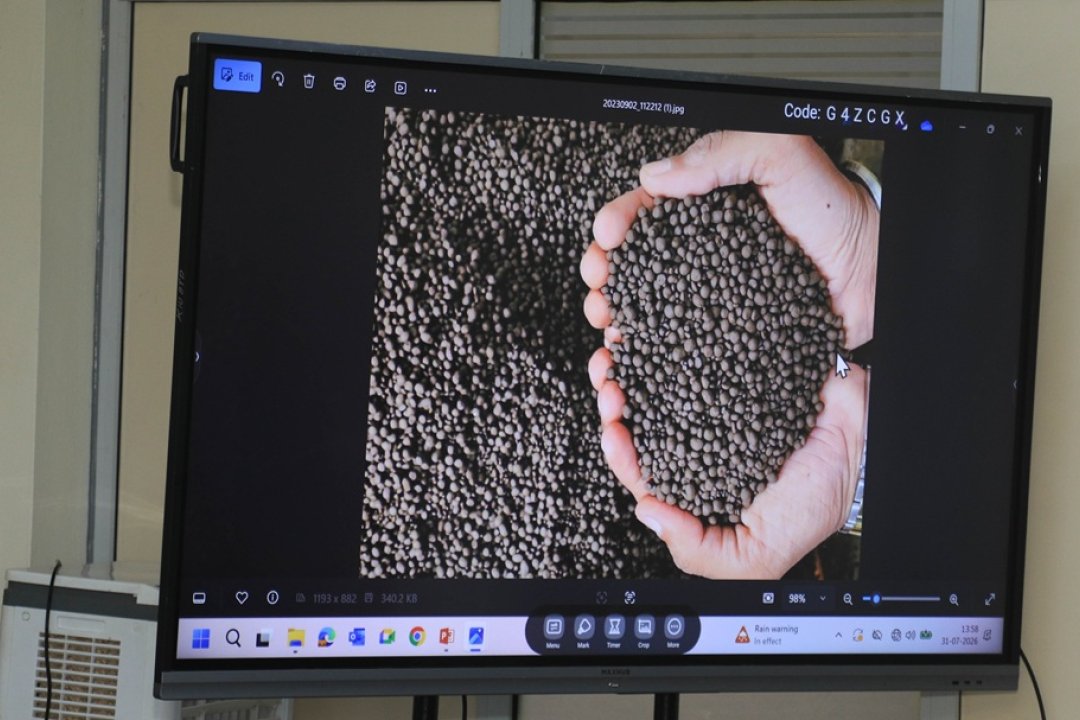
Dr. Padwal walked participants through the meticulous production process:
- Raw material collection and characterization to ensure quality and prevent contamination.
- Preprocessing through shredding, moisture adjustment, and carbon-nitrogen balancing.
- Composting, a controlled aerobic process where microorganisms transform waste into nutrient-rich fertilizer.
- Quality inspection, curing, screening, drying, and testing before packaging and dispatch
Each stage reflects a delicate balance between natural biological processes and human innovation.
Uganda’s Policy Framework
Uganda’s National Fertilizer Policy has already laid the groundwork for promoting organic fertilizer manufacturing. The policy encourages local production, formalizes trade, and advocates for a balanced mix of organic, inorganic, and bio-fertilizers to restore soil health and support national food security goals.
Interactive Q&A Session: A Call to Action
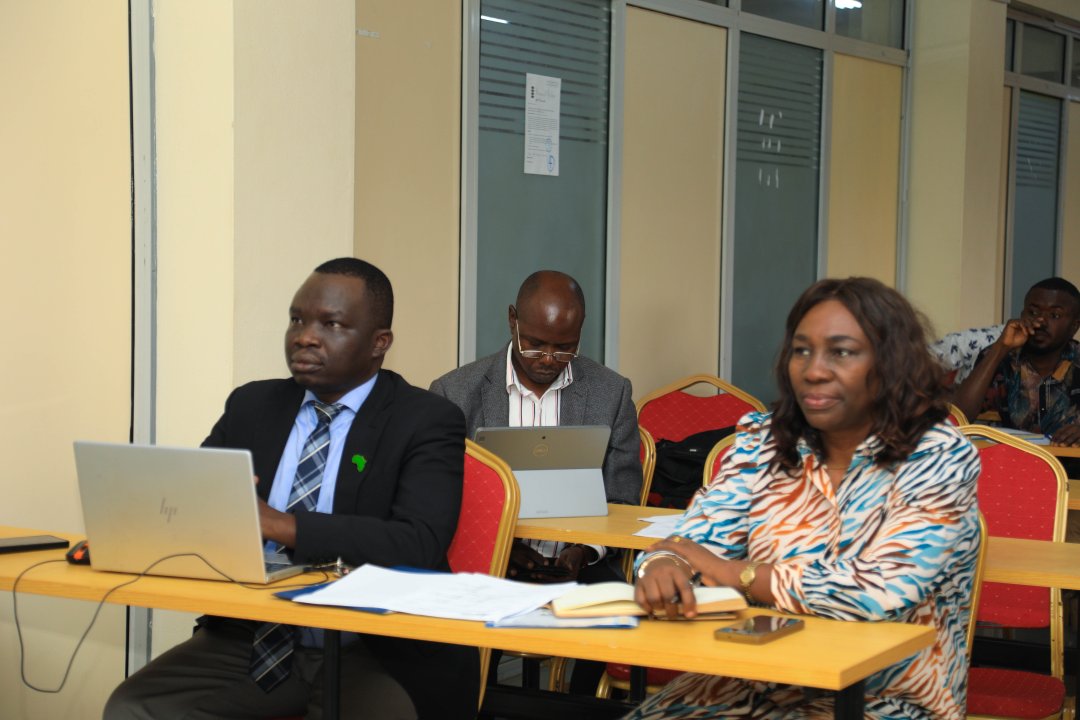
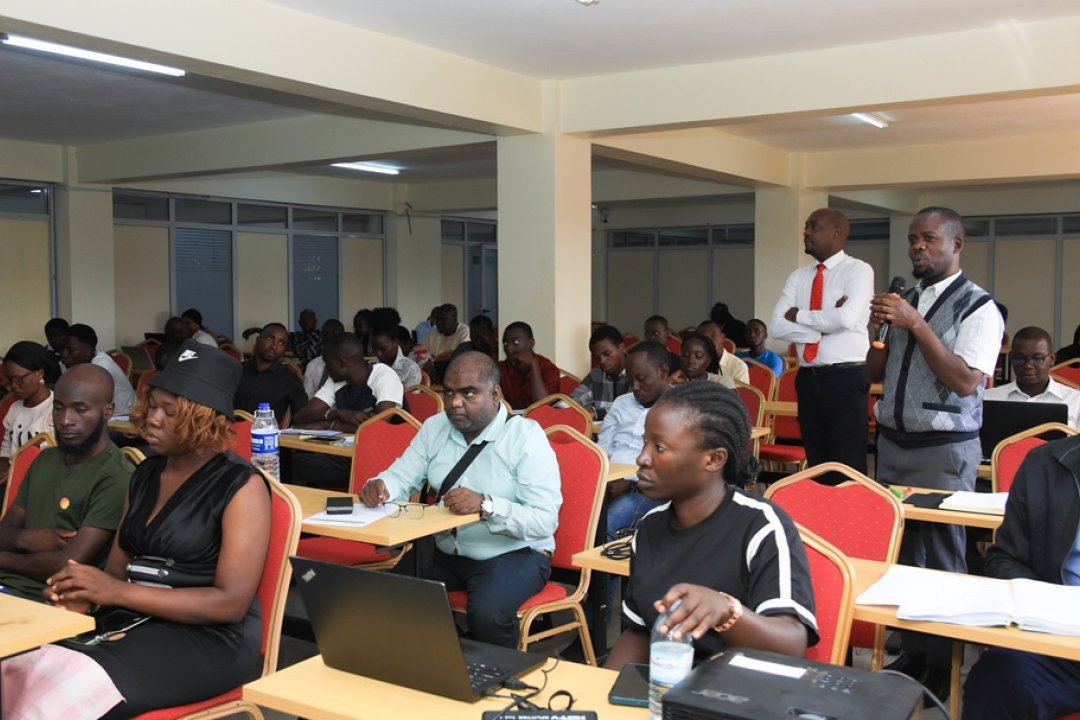
The lecture concluded with a lively Q&A session, where participants, students, researchers, and industry practitioners, engaged Dr. Padwal and KIU leadership with questions on practical challenges in local fertilizer production, opportunities for student-led innovation, regulatory standards and certification processes, and how Uganda can scale organic fertilizer manufacturing nationally.
The session demonstrated strong enthusiasm and curiosity, reinforcing that the topic resonates deeply with Uganda’s agricultural and environmental priorities.
Looking Ahead
Dr. Padwal closed with a forward-looking vision: a future where organic fertilizer production is smart, efficient, and fully automated, ensuring better quality and higher productivity.
For KIU and Uganda, the lecture was more than an academic event, it was a call to action to embrace innovation, protect soil health, and secure food for generations to come.