How Web Design Skills Prepare University Students for Uganda’s Digital Economy
- Agnes Kiconco
- /
- September 23, 2026
- 240
KIU, Main Campus - Uganda’s digital economy is growing faster than the way most university students prepare for it. Businesses now sell on WhatsApp before they rent a shop, government services have moved online, and employers search a candidate’s name before they call. Yet many Information Technology graduates leave campus with strong transcripts and no visible proof of what they can build. Marv Web Design, a student-founded web design agency based in Kampala, was created to close that gap.
During my studies at Kampala International University (KIU), I noticed the same pattern many of my classmates did: we could pass examinations on HTML, CSS, JavaScript, PHP and database design, but the moment a real client asked for a website that worked on a cheap phone over slow data, the textbook answers ran out.
The curriculum gave us a solid foundation; what was missing was the pressure of a real project.
That is why I started Marv Web Design. I recognised that the fastest way to master web development is to build for actual clients, with real deadlines, real budgets and real Ugandan users. Every project became an extension of the classroom, and every mistake became a lesson no lecture could replace.
Building websites for businesses across Kampala while still a student has taught me a few things worth sharing:
Uganda is a mobile-first market: Most of our visitors arrive on a phone using paid data. Designing for a small screen and a slow connection is not an optional skill here; it is the whole job.
Trust is built on the page: A visible phone number, a WhatsApp button, real photographs and plain language do more for a Ugandan business than any animation. Clients remember the site that made customers call.
Theory sticks when it is applied: Debugging a live payment integration teaches error handling more thoroughly than any assignment. Practical challenges create lasting understanding.
The web does not stand still: KIU gives students the foundations, but staying relevant means learning continuously, whether that is a new framework, a new tool or a new way customers behave online.
Everything connects: A single client project draws on design, databases, networking, security and communication at once. It shows how the courses taught separately at university actually fit together.
The journey so far has convinced me that the distance between the lecture room and the industry is smaller than it looks. A student who builds one real website for a hair salon, a school or a boda association has already crossed it.
My advice to fellow KIU students and aspiring web developers is simple: start building now. Pick a real problem near you, publish before it is perfect and improve it every month.
“Practical experience turns theory into powerful real‑world skills.”
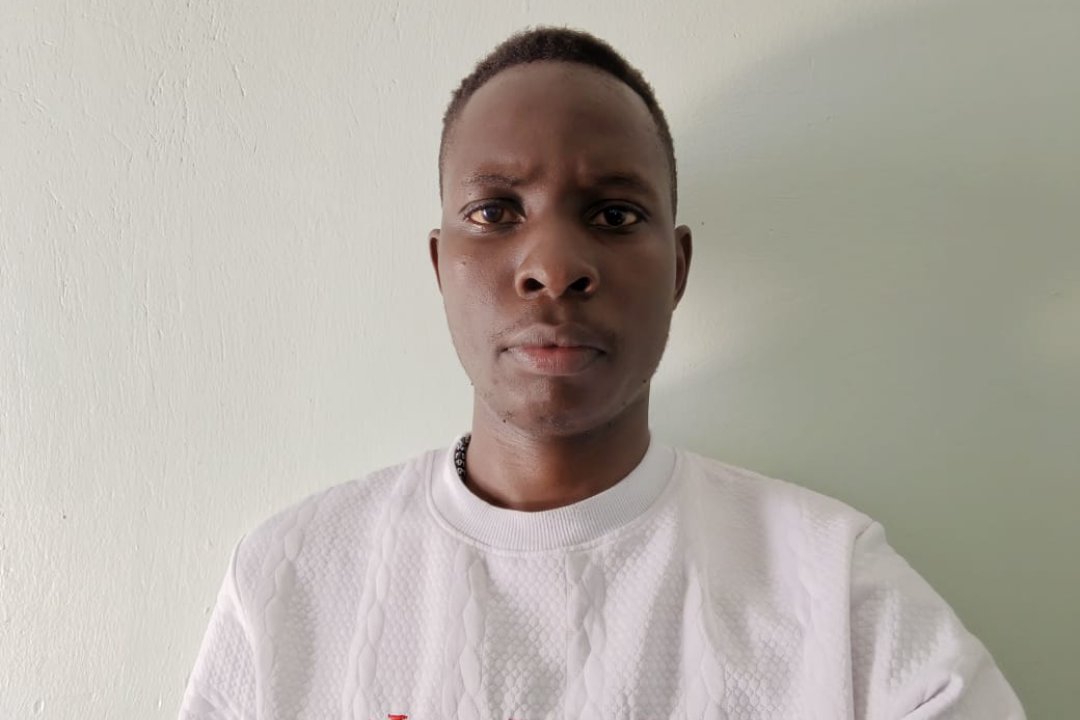
By Marvin Tomusange
Founder, Marv Web Design (marvwebdesign.com) & Bachelor of Information Technology student (Year 3)