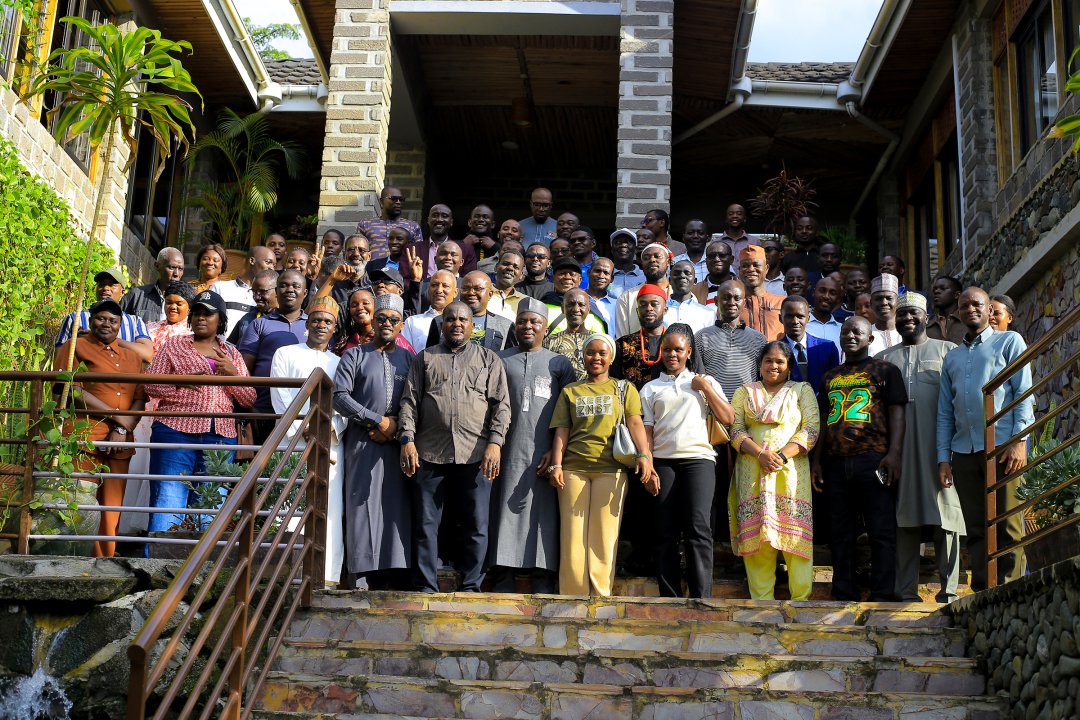
Inside KIU's Three-Day STEP Training of Trainers Workshop
- Agnes Kiconco
- /
- August 14, 2026
- 238

KIU, Main Campus - Kampala International University (KIU) closed out a three-day Training of Trainers (ToT) workshop under the Student Training for Entrepreneurial Promotion (STEP) program, bringing together university trainers, entrepreneurship experts, and institutional leadership to sharpen the practical skills needed to guide KIU students from business idea to registered enterprise.
The workshop, which ran from Tuesday, 11th August, 2026 to Thursday, 13th August, 2026 was designed around STEP's core philosophy: entrepreneurship is best taught by doing, not just discussing.
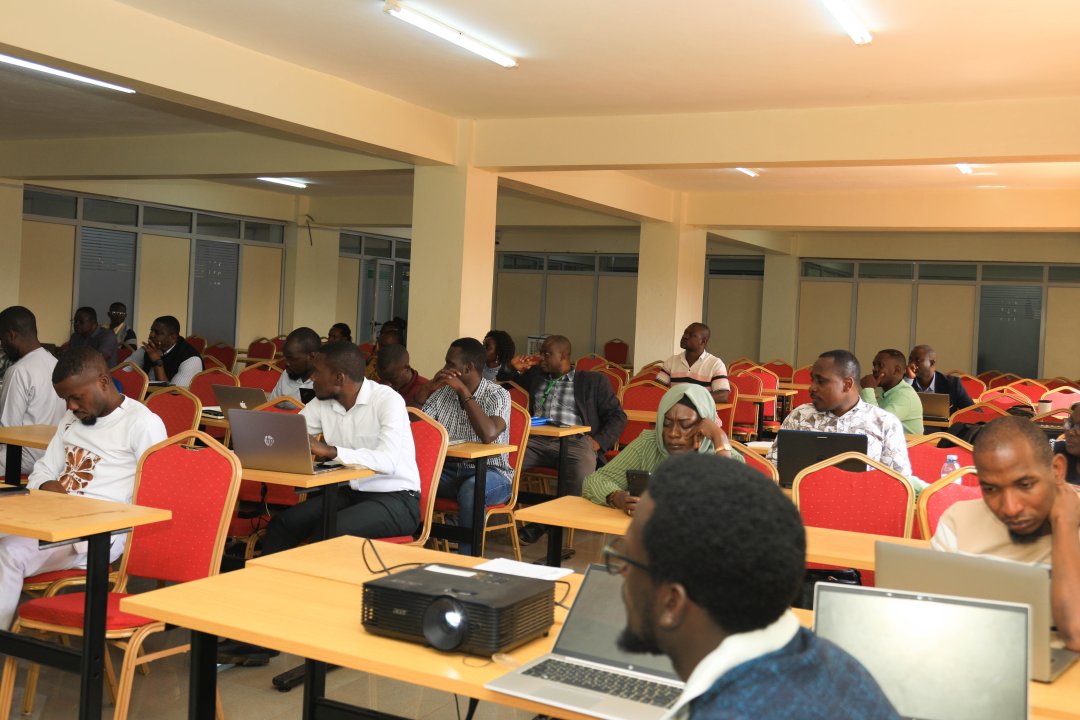
Day One: Laying the Foundation
The workshop opened with an introduction to the STEP methodology, presented on behalf of the STEP Consortium leadership. Trainers were walked through the program's guiding principles and action-oriented learning where trainees launch real businesses, evidence-based content drawn from research on what actually makes entrepreneurs succeed, rigorous academic evaluation, and content flexible enough to be adapted to local market realities.
A distinctive feature of STEP is its use of real capital: student groups of ten receive seed funding to test their ideas in the market, with any profit theirs to keep once the initial capital is repaid. This "skin in the game" approach is central to how the program pushes trainees beyond theory.
University leadership used the opening day to frame the stakes. Messaging from the Vice Chancellor's office tied the program to a broader shift in KIU's academic philosophy, from producing certificate holders toward producing graduates capable of building enterprises and creating jobs for others, not just seeking employment themselves.

Other sessions that day covered idea generation, creativity, and opportunity recognition, alongside guidance on identifying customer needs, market fit, and how to pitch and pressure-test a business concept before committing resources to it.
Day Two: Building the Business Engine
With foundational thinking in place, day two moved into the operational mechanics of running a venture. Sessions covered how to translate a business idea into an actionable plan and how to actually execute against it, a step many first-time entrepreneurs skip, often to their cost.
Financial literacy featured heavily. Trainers worked through the basics of managing finances on a shoestring, sourcing initial start-up capital, and controlling stock levels, a discipline that determines whether a small enterprise survives its first year or folds under poor cash flow. The day also addressed the reality that every business hits obstacles: sessions on anticipating and managing setbacks aimed to prepare trainee-entrepreneurs psychologically, not just technically, for the inevitable friction of running a business.

Networking rounded out the day's agenda, a recognition that in entrepreneurship, who you know and who trusts you often matters as much as what you are selling. For young entrepreneurs in particular, networks are frequently the difference between a good idea that stalls and one that finds its first customers, suppliers, or investors.

Day Three: Protecting and Formalizing the Business
The final day pivoted from building a business to protecting and legitimizing it — arguably the areas most commonly neglected by early-stage entrepreneurs.
Eliza Nahayo, an Intellectual Property expert from the National Agricultural Research Organisation (NARO), led trainers through why IP protection deserves attention from day one rather than as an afterthought. She outlined the different categories of intellectual property rights available to entrepreneurs, covering inventions, brand identity, and creative works, and framed IP not merely as a legal formality but as a strategic business asset.
"Filing early creates a barrier that keeps competitors from appropriating an entrepreneur's ideas, and the earlier this is done, the stronger that protection becomes," she stressed.


Dr. Olawunmi Opeyemi Obisesan then addressed the legal and technical foundations of starting a business, walking trainers through the various pathways available for formally registering a business and the practical steps involved.
A key point from her session was that registration through the Uganda Registration Services Bureau (URSB) functions as a gateway: once a business is registered there, it becomes far easier to complete other regulatory processes, such as tax registration and licensing, that follow.

Together, the two sessions closed a loop that trainers had been building toward across the three days, from generating a viable idea, to building and financing it, to formally and legally protecting it.
A Program with Reach
STEP is not new to KIU or to the region. Since 2009, the program has trained more than 50,000 students across Africa, Latin America, and Asia, and was originally piloted among primary school leavers before being adapted for university-level trainers. It aligns with national education guidelines and is grounded in research on what drives entrepreneurial success, a deliberate contrast to purely theoretical business education.
For KIU, the workshop reinforced a broader institutional push toward action-oriented, outcomes-driven learning. Trainers who completed the program are now expected to carry these tools directly into classrooms and student business groups, with an emphasis on documenting and sharing outcomes as students put the training into practice.

The three-day workshop reaffirmed KIU's commitment to entrepreneurial education, not as a single course or seminar, but as a pipeline: from mindset, to money, to market, to legal protection, with trainers equipped at every stage to guide the next generation of student entrepreneurs.