KIU Advances Childhood Tuberculosis Research Through OPTIC-TB Training
- Agnes Kiconco
- /
- October 08, 2026
- 59
By Hattie Wright
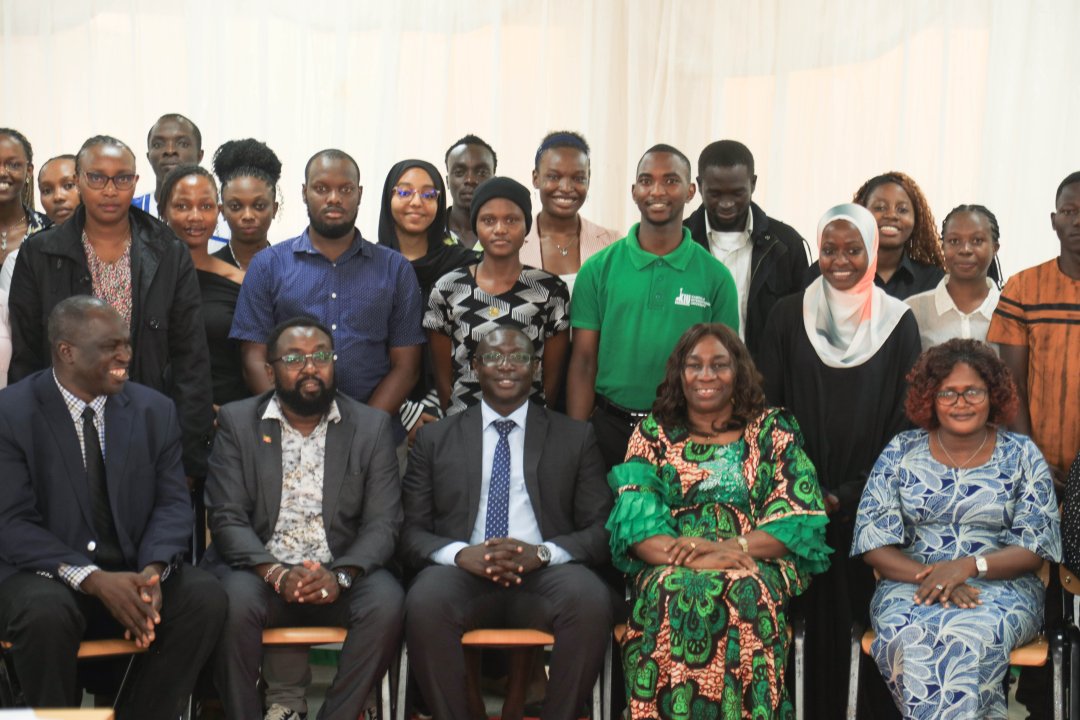
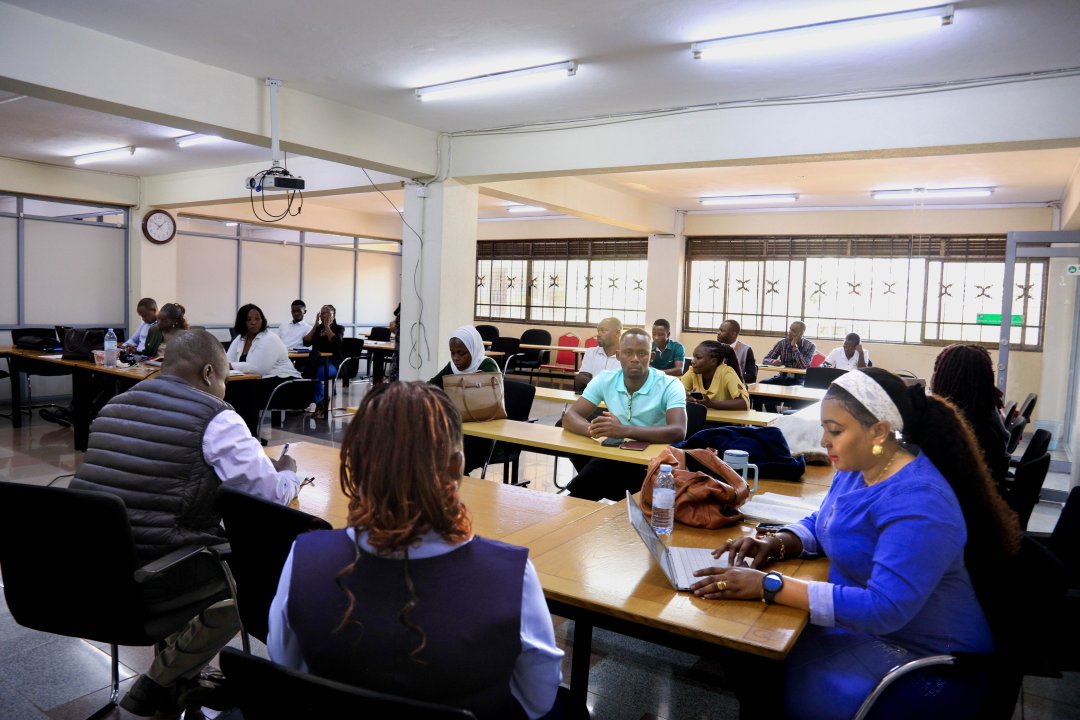
KIU, Main Campus - On Thursday, October 8th, 2026, Kampala International University (KIU) Main Campus hosted an OPTIC-TB Good Clinical Practice (GCP) Refresher Training aimed at strengthening participant safety, protocol compliance, and the quality of research implementation across study sites.
The training brought together researchers, study coordinators, and project staff involved in the implementation of the Optimising Childhood Tuberculosis Treatment Decision Algorithms in Sub-Saharan Africa (OPTIC-TB) project.
The initiative seeks to optimise the implementation and scale-up of the World Health Organization's (WHO) Treatment Decision Algorithms (TDAs) for children with pulmonary tuberculosis (TB) in Sub-Saharan Africa. The project is assessing whether these WHO-recommended algorithms can improve the timely diagnosis and treatment of children with TB.
Speaking during the opening session, Prof. Muhammed Ngoma, Vice Chancellor, expressed appreciation to the project partners, researchers, and participants for their continued commitment to the initiative.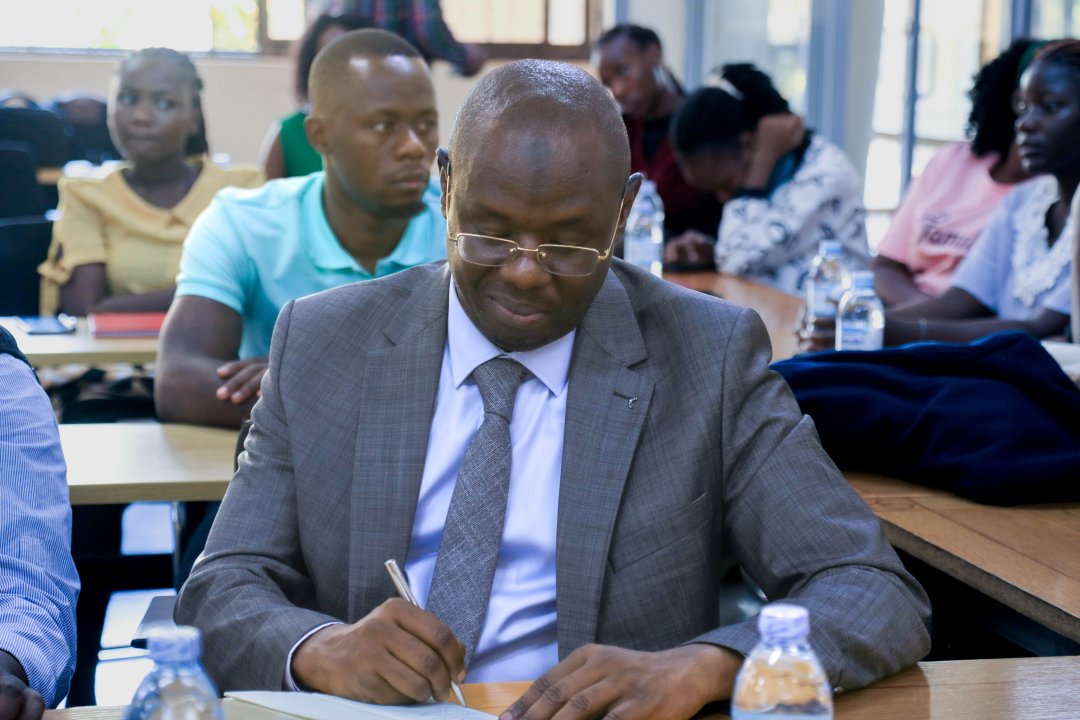
"We are pleased to continue advancing the OPTIC-TB project and grateful to all partners and participants supporting KIU in this important undertaking. I look forward to learning more about the progress made and exploring ways in which we can continue improving together as a team," he said.
Dr. Asiati Mbabazi, University Secretary, reaffirmed KIU's commitment to the project and expressed optimism about the continued collaboration among participating institutions and stakeholders.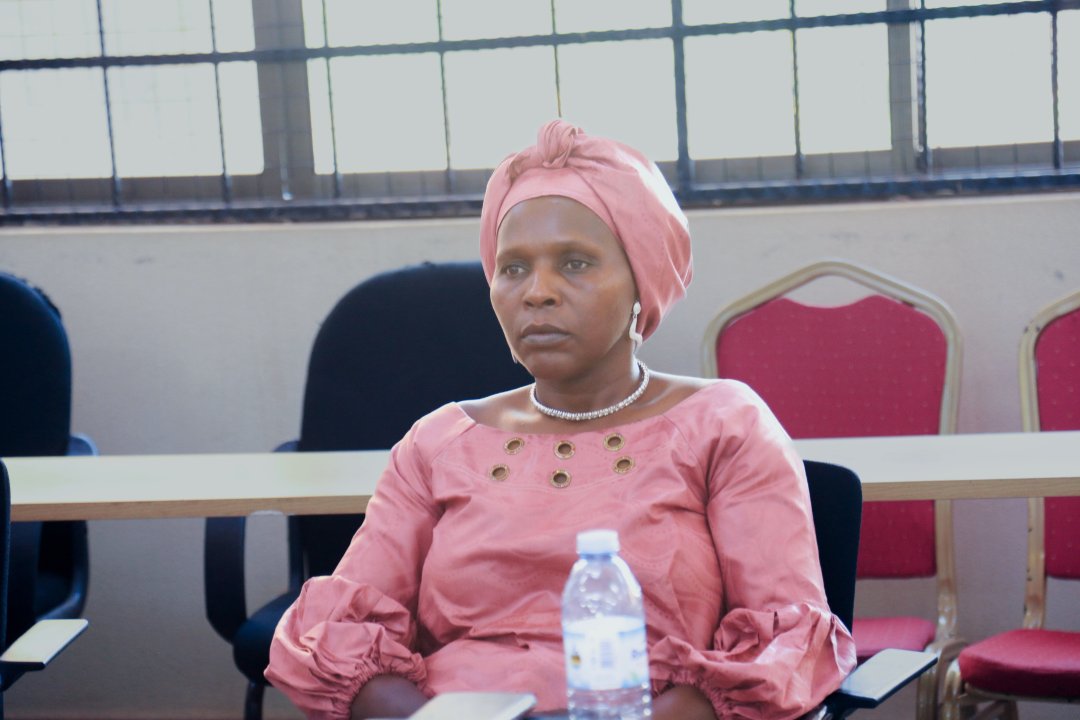
Dr. Mustafa Mundu, Deputy Vice Chancellor for Finance and Administration, emphasised the importance of teamwork and innovation in ensuring the project's success. He encouraged participants to continuously identify opportunities for improving implementation and achieving the project's objectives.
The sessions were moderated by Dr. Umi Omar Bunu, Chief Executive Officer of Kampala International University Teaching Hospital and Research (KIUTHR), who guided discussions and ensured participants engaged actively with each topic.
Dr. Bunu underscored the importance of the training for the project's success.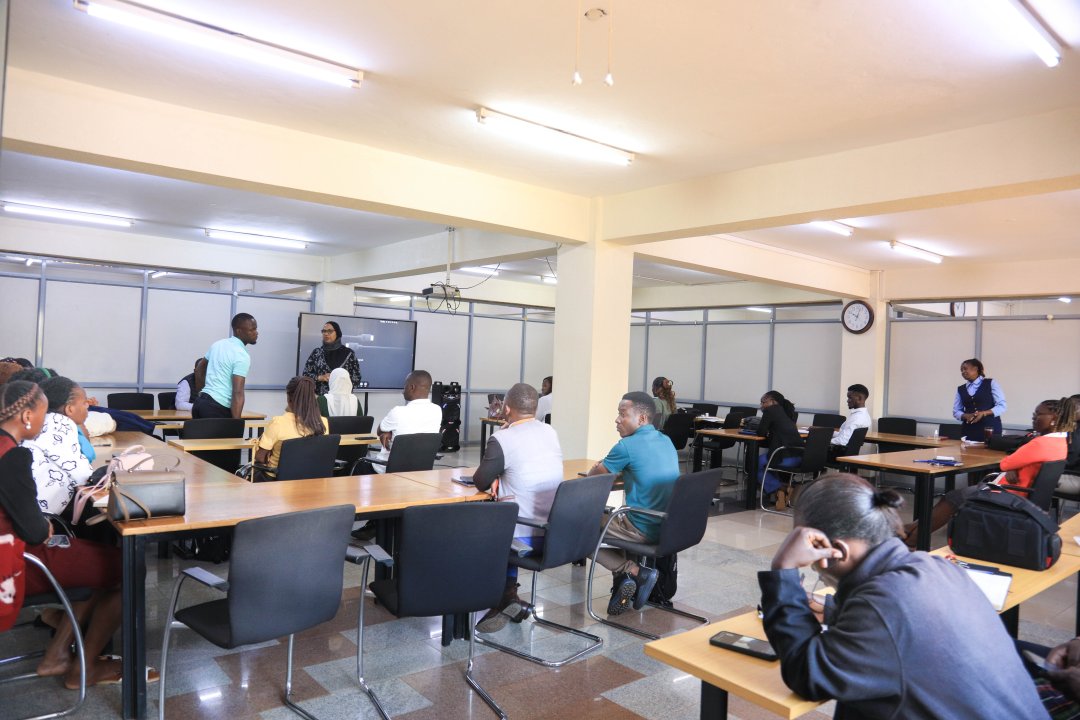
"Childhood TB is often missed or diagnosed late, and that costs lives. This refresher training equips our teams to uphold Good Clinical Practice at every step, so that the evidence OPTIC-TB generates is reliable and the children we serve are protected. I commend all the participants for their commitment and urge them to apply what they have learned at their study sites," she said.
Providing an overview of the OPTIC-TB project, Prof. Esther Ngadaya explained that the study was designed to address the significant challenge of diagnosing tuberculosis among children, particularly in resource-constrained settings where access to diagnostic services remains limited.
She noted that although WHO issued interim recommendations in 2022 advocating the use of Treatment Decision Algorithms for diagnosing TB among children under the age of ten, there remains a need for stronger evidence regarding their effectiveness and implementation in routine healthcare settings.
The project therefore seeks to determine whether the algorithms can increase the number of children diagnosed and initiated on treatment in a timely manner. 
Prof. Ngadaya further explained that the study targets children below ten years of age presenting with presumptive pulmonary tuberculosis. She emphasised that the project will evaluate the effectiveness, feasibility, and cost-effectiveness of the treatment decision algorithms while assessing their impact on TB detection and treatment outcomes.
The project is being implemented across more than 120 health facilities in Uganda, Tanzania, and the Democratic Republic of Congo, bringing together a consortium of research institutions and health partners committed to addressing childhood tuberculosis in the region.
During a session on monitoring and quality assurance, Dr. Hellen Mahiga highlighted key monitoring activities, including study-site assessments, monitoring focus areas, and cross-cutting observations aimed at ensuring compliance with research standards.
She emphasised the importance of identifying and managing protocol deviations, noting that research teams must document incidents, assess their impact, report them according to study requirements, and implement corrective and preventive actions to avoid recurrence. 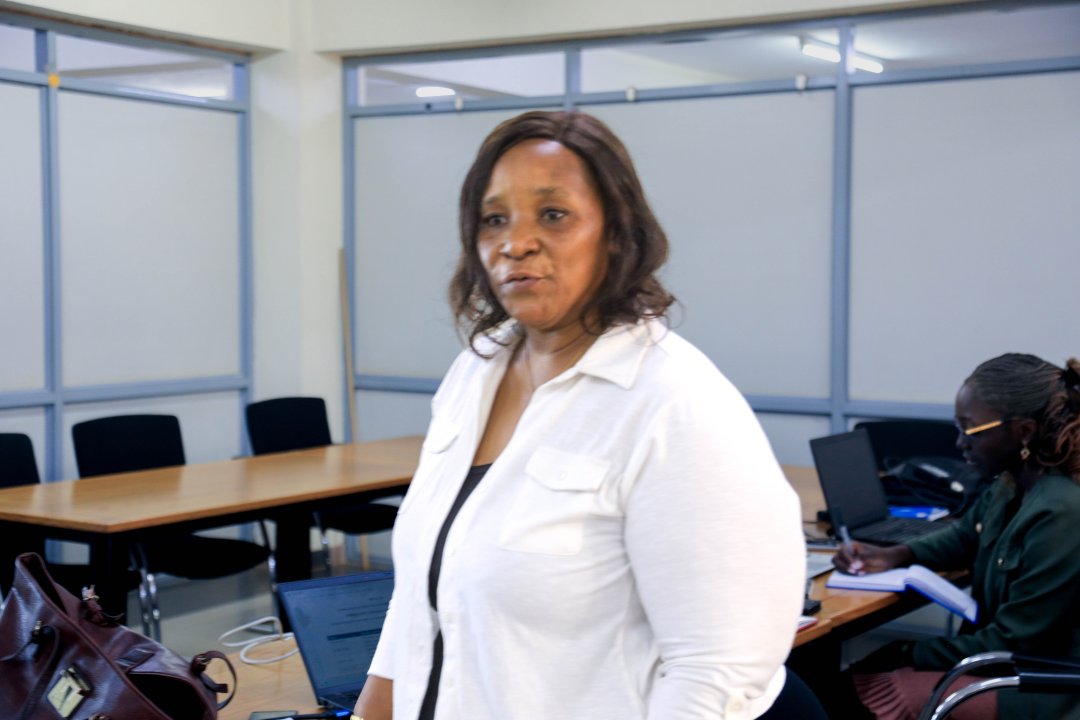
Examples discussed included conducting study procedures before obtaining consent, using incorrect consent forms, and allowing unqualified staff to perform protocol-mandated procedures.
Dr. Mahiga also underscored the need for timely, complete, and clinically meaningful safety reviews. She encouraged monitors and supervisors to ensure that relevant medical histories, serious adverse events, deaths, laboratory results, and clinical findings are adequately documented and reviewed to safeguard participant welfare and maintain data quality.
Participants were further guided on the use of monitoring and supervision checklists before, during, and after study visits to strengthen accountability and adherence to Good Clinical Practice standards.
Background: OPTIC-TB and the EU Grant
The Optimising Childhood Tuberculosis Treatment Decision Algorithms in Sub-Saharan Africa (OPTIC-TB) project is a prestigious European Union-funded research initiative supported through the Global Health EDCTP3 Programme with funding of approximately €4 million.
The multi-country project brings together leading academic and health research institutions from Uganda, Tanzania, the Democratic Republic of Congo, and Norway to address the persistent challenge of childhood tuberculosis diagnosis and treatment in Sub-Saharan Africa. 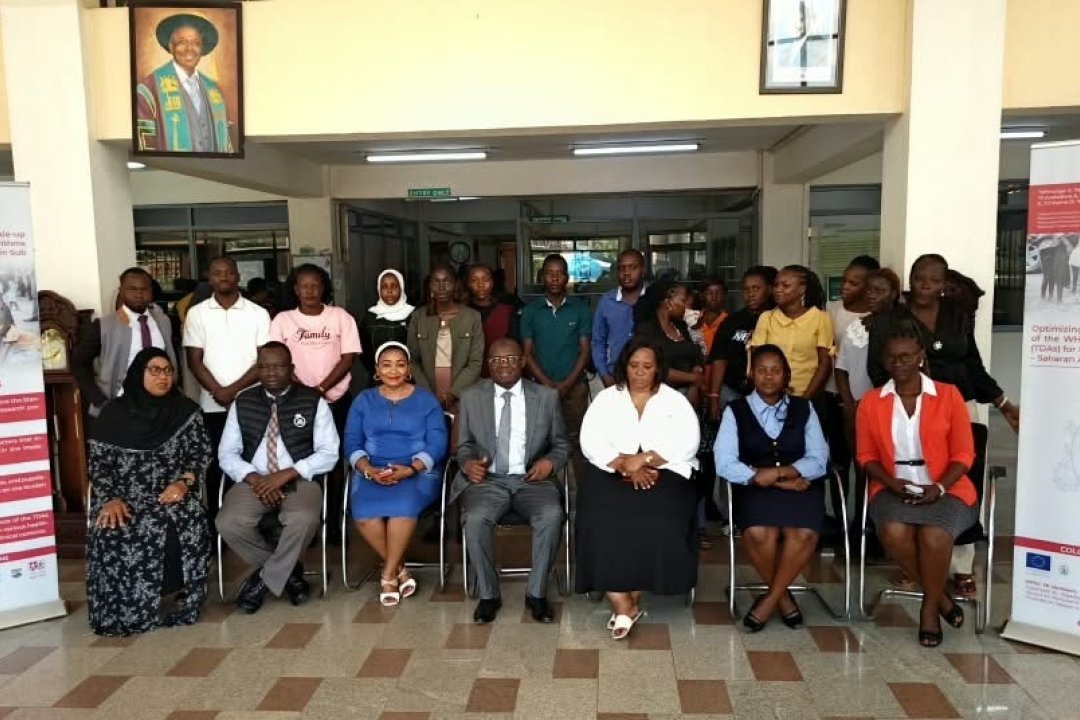
KIU is one of the key implementing partners, contributing to the generation of evidence on the effectiveness of the World Health Organization's Treatment Decision Algorithms (TDAs) in improving timely diagnosis, treatment initiation, and health outcomes among children with pulmonary tuberculosis.
Through its participation in OPTIC-TB, KIU continues to strengthen its position as a centre of excellence in health research, innovation, and regional collaboration while advancing efforts to reduce the burden of childhood TB across Africa.