KIU and Uganda Heart Institute Explore Collaboration to Strengthen Cardiology Training and Cardiovascular Care
- Nakanwagi Annet
- /
- August 17, 2026
- 815
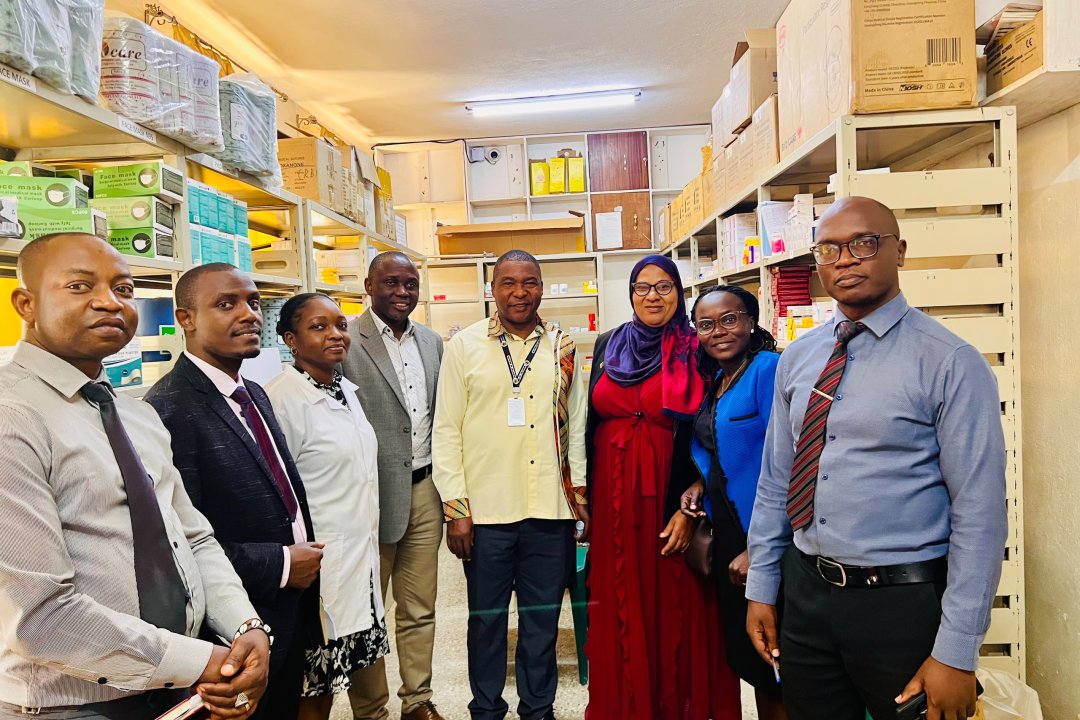
KIU, Western Campus - Kampala International University (KIU), through its Teaching Hospital and Research (KIUTHR), on Friday, August 14th, 2026, hosted a delegation from the Uganda Heart Institute (UHI) for a collaboration visit aimed at assessing KIUTHR’s capacity to support cardiology training and strengthen cardiovascular services.
The visit brought together KIU and UHI experts to assess existing clinical and teaching facilities, human-resource capacity and equipment; obtain technical guidance on requirements for establishing cardiology training at KIU; and explore collaboration in training, mentorship, research, referrals and cardiovascular service development.
The UHI delegation included Dr. Isaac Ssinabulya, Senior Consultant Adult Cardiologist; Dr. Judith Namuyonga, Senior Consultant Paediatric Cardiologist; and Dr. Frank Mugabe Rwabinumi, Principal Medical Officer, Ministry of Health (MoH).
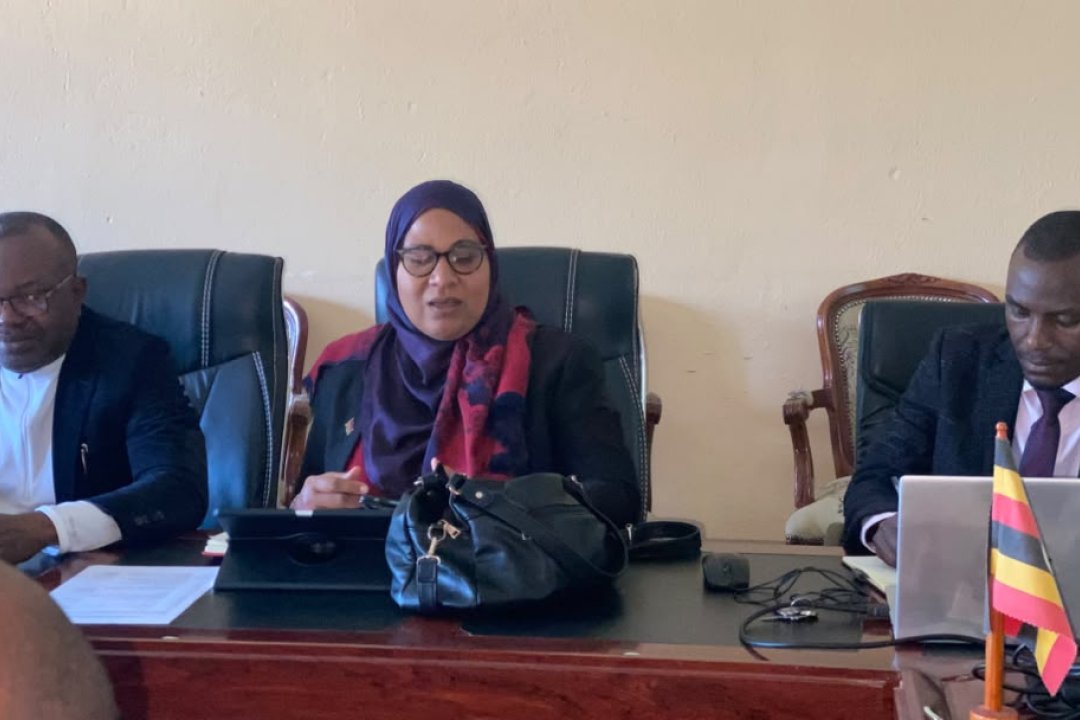
Welcoming the delegation, Dr. Umi Omar Bunu, Chief Executive Officer, KIUTHR, appreciated UHI for the visit, describing it as an important opportunity to explore potential areas of collaboration between the two institutions and advance specialized cardiovascular services at KIUTHR.
Representing KIU Management, Assoc. Prof. Eric Mabonga, Deputy Vice Chancellor, KIU Western Campus, reaffirmed KIU’s openness to partnerships that contribute to Uganda’s health sector. He noted that KIU’s mandate extends beyond the institution itself and emphasized its willingness to work with government, healthcare institutions and other partners to utilize its human-resource capacity for the benefit of the country and the wider region.
“We are an open institution, and we accept everyone. Our mandate is not only ours as an institution; our mandate is for everybody,” Assoc. Prof. Mabonga said, noting that collaboration with government-related institutions also builds public confidence in the university’s contribution to national development.
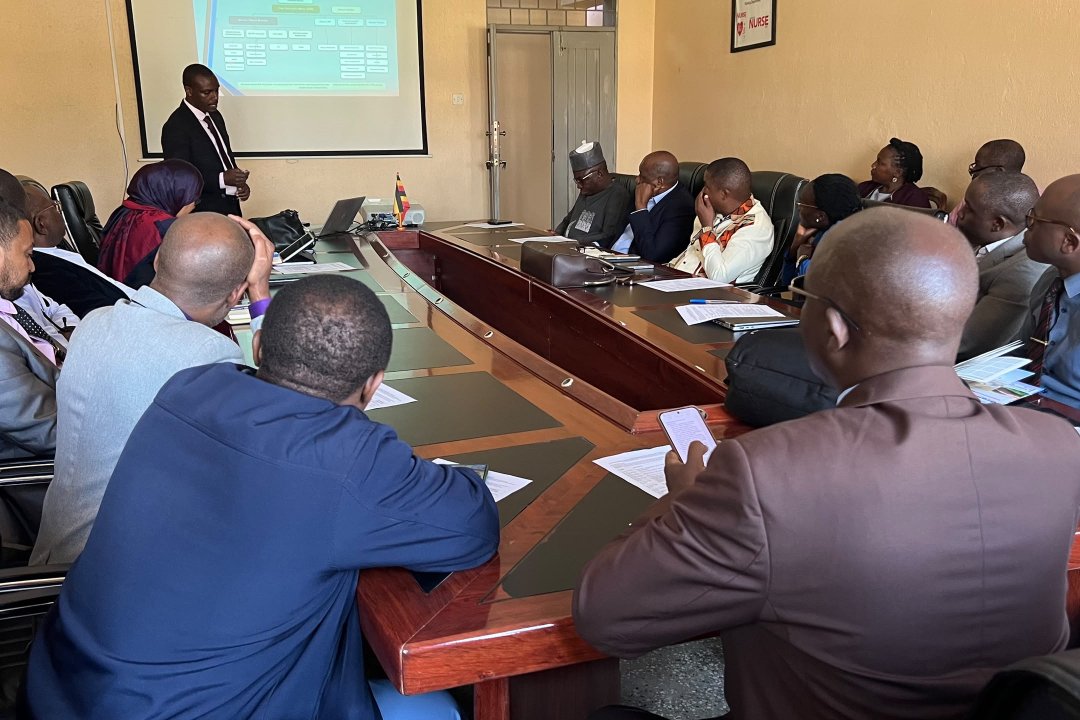
Providing an overview of KIUTHR, Dr. Amos Muhumuza, Deputy Director, Clinical Services, presented the hospital’s current cardiovascular services, patient load, staffing, equipment and opportunities for training. The presentation highlighted KIUTHR’s growing specialized services and diagnostic capacity, including electrocardiogram (ECG) services, imaging, laboratory support and other clinical infrastructure relevant to cardiovascular care.
The hospital has also continued to expand its specialist services, with dermatology, neurosurgery, oncology, haematology, paediatric surgery, urology and plastic surgery among areas being developed, alongside plans to further strengthen diagnostic services and progress towards certification by International Organization for Standardization (ISO).
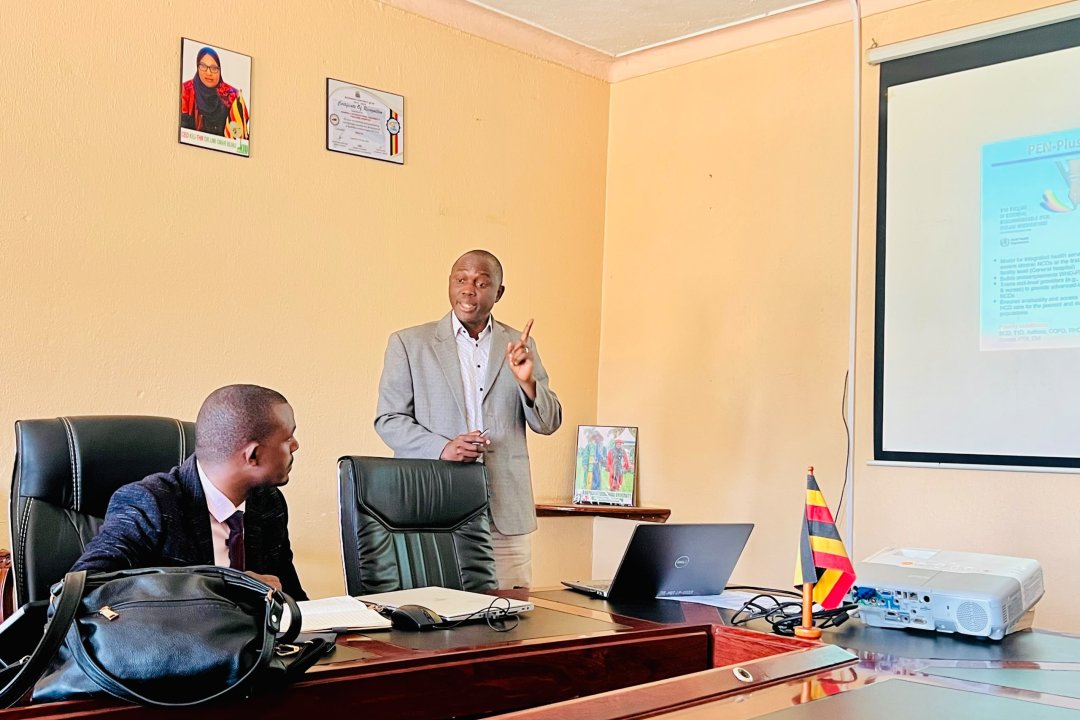
Responding to the presentations, Dr. Ssinabulya emphasized the importance of establishing a sustainable model that combines clinical care, training and mentorship. He noted that highly specialized cardiovascular centres require significant human and financial resources, making models that bring advanced care closer to communities particularly important.
A key area of discussion was the Package of Essential Non-communicable Disease Interventions Plus (PEN-Plus) model, which strengthens the capacity of first-referral facilities to manage severe non communicable diseases (NCDs) by training and mentoring mid-level healthcare providers, including medical officers, clinical officers and nurses.
The model, the team explained, goes beyond short-term workshops, incorporating practical training, hands-on experience and continuous mentorship.
The research dimension of the proposed collaboration was highlighted by Prof. Patrick Aja Maduabuchi, Director of Research, Innovation, Consultancy and Extension (RICE), who outlined KIU’s research and grant opportunities and its growing network of international partnerships.
He noted that KIU’s collaborations with institutions and researchers in Africa and beyond provide a foundation for joint research and grant applications in areas including cardiovascular disease, cancer, diabetes, mental health, ageing, climate change and health systems.
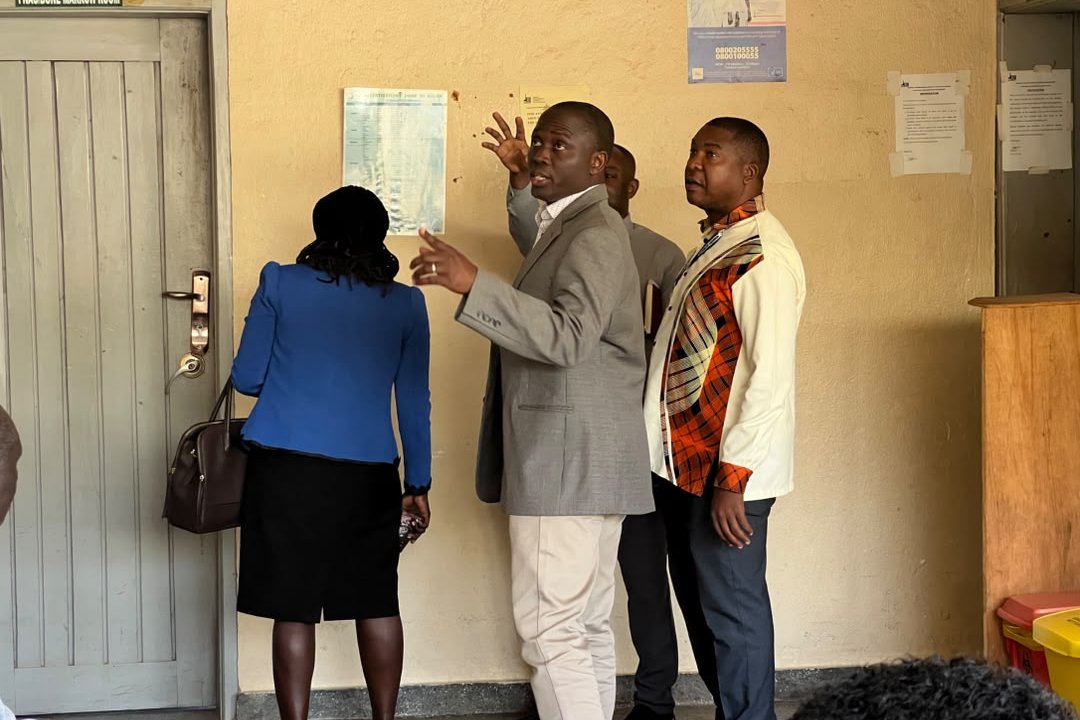
The delegation subsequently undertook a guided assessment tour of KIUTHR’s Cardiology Clinic, Internal Medicine, Accident and Emergency (A&E), Imaging, Laboratories and other relevant clinical areas. During the tour, the UHI team assessed the hospital’s infrastructure, equipment, staffing and service capacity.
Giving the technical feedback, Dr. Namuyonga noted that KIUTHR has several important foundations for developing cardiovascular services and training. These include ECG machines, pulse oximeters, echocardiography equipment, point-of-care ultrasound equipment, four defibrillators and a laboratory with capacity to support cardiovascular care through investigations such as complete blood counts, C-reactive protein, cultures and sensitivity. She, however, identified areas requiring further strengthening, including specialized equipment, appropriate cardiac ultrasound probes and additional specialized human resources.
Dr. Namuyonga also emphasised that equipment alone cannot establish a sustainable cardiology programme without dedicated and motivated personnel. She encouraged KIU to identify a committed multidisciplinary team of physicians, paediatricians, nurses and other healthcare workers who can undergo specialized training and subsequently help build capacity among colleagues.
The proposed collaboration could also facilitate remote echocardiography interpretation and specialist consultation, allowing cardiac images from KIUTHR to be reviewed by cardiologists through digital platforms and reports returned electronically.
The final session, led by Dr. Rwabinumi, focused on collaboration, training, mentorship, referrals, research and cardiovascular service development. He stressed the importance of connecting academic institutions with practical health-service delivery, noting that research should ultimately contribute to improved patient outcomes.
“We do not believe in science that does not help a patient,” Dr. Rwabinumi said, advocating for implementation-focused research that generates solutions applicable locally and regionally.
He further noted that the MoH is coordinating the development of Uganda’s PEN-Plus strategy, which has been piloted in two hospitals and is intended for scale-up. He said the KIUTHR visit had demonstrated the importance of including teaching institutions in the national strategy.
The MoH also emphasized the importance of aligning university training with national health policies and clinical guidelines, as well as integrating NCD services with existing programmes such as HIV and TB care.
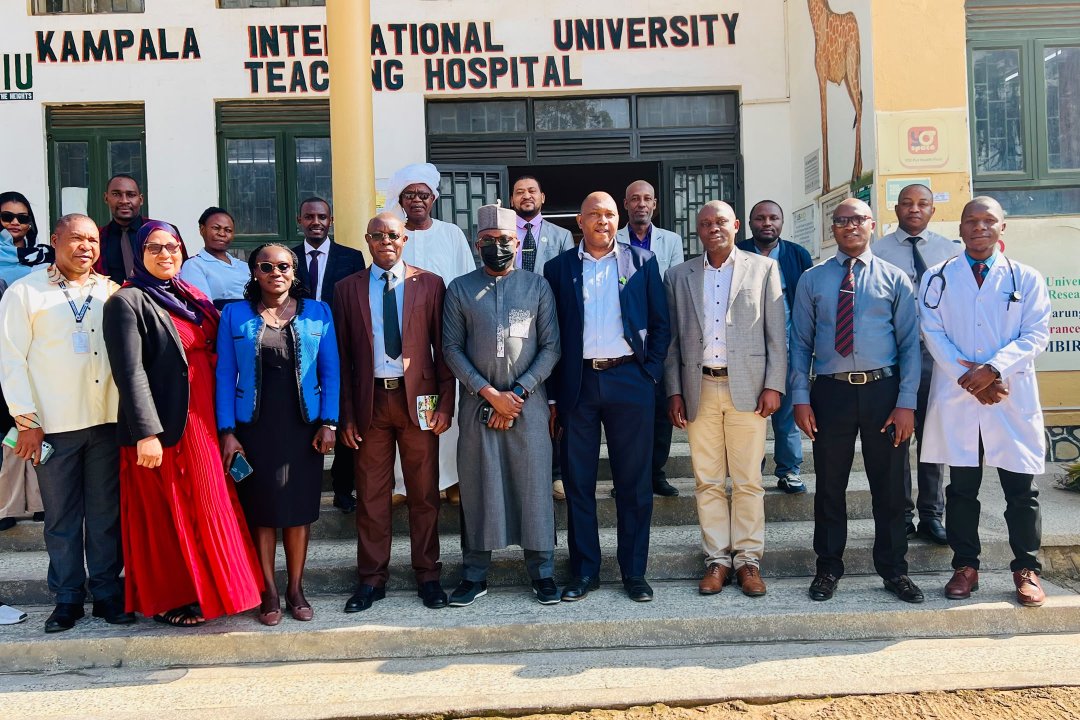
The engagement concluded with a shared commitment to identify a dedicated KIU team, determine training and equipment requirements, establish mentorship arrangements and develop referral and research pathways.
The visit therefore marked an important step towards strengthening cardiology training, cardiovascular services, research and specialist referral systems at KIUTHR, while contributing to Uganda’s broader efforts to bring quality NCD care closer to communities.