KIU Champions Action Oriented Learning Through STEP Program
- Obinna Osigwe
- /
- August 11, 2026
- 1406

By Hattie Wright
KIU, Main Campus - On Tuesday, 11 August, 2026, Kampala International University (KIU) Main Campus commenced a three-day Training of Trainers (ToT) workshop under the Student Training for Entrepreneurial Promotion (STEP) program. The initiative was designed to equip KIU trainers with practical skills to guide students in creating, launching, and sustaining business ventures.
The STEP program, which addresses high youth unemployment in low and middle-income countries, emphasizes mindset change, increased start-up rates, and job creation.
Prof. Janina Peschman, STEP Project Coordinator, presented on behalf of Prof. Michael Frese, President of the STEP Consortium. She highlighted the program’s action-oriented approach, stressing the importance of hands-on skills for young people to meet the challenges of the local job market.
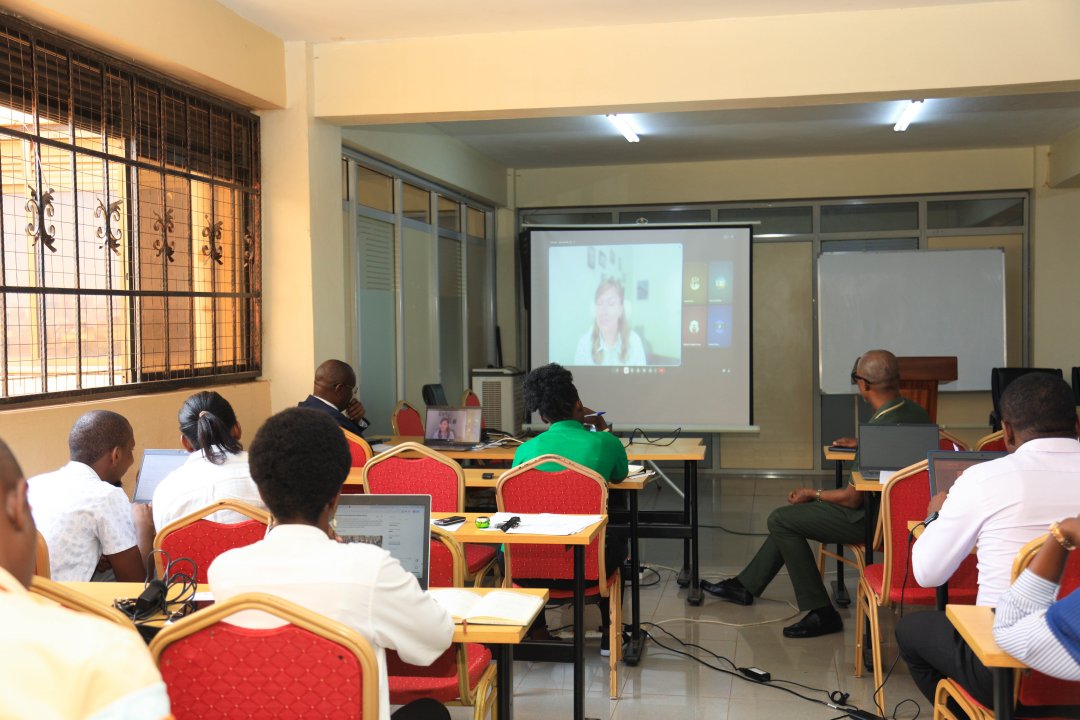
“STEP strengthens the competences of young people so that they are able to successfully meet the challenges of the local job market,” she said, noting that since 2009, more than 50,000 students across Africa, Latin America, and Asia have benefited from the program.
Prof. Peschman outlined the guiding principles of STEP:
- Action-oriented, trainees start their own businesses and learn by doing.
- Evidence-based content is grounded in research on entrepreneurial success factors.
- Scientifically evaluated, assessed according to the highest academic standards.
- Context-specific, adaptable to local needs and realities.
She explained that students form groups of ten, each receiving USD 100 in start-up capital, repayable at the end of training, while profits remain theirs. Groups present their business progress and receive feedback throughout the program.
Prof. Muhammed Ngoma, Vice Chancellor, emphasized that STEP was first piloted among P7 school dropouts who successfully progressed, urging trainers to collect and publish data from student experiences.
“STEP aligns with the National Council for Education guidelines. As we train these modules, we understand the psychology of people and how best they can produce,” he remarked.
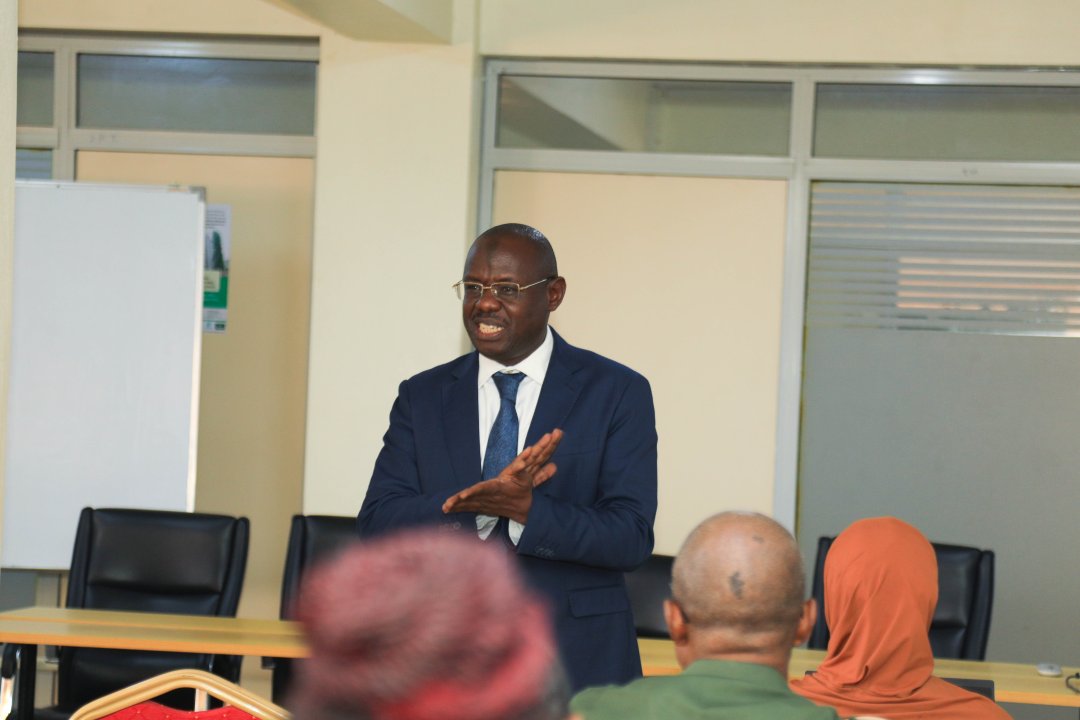
In an interactive session, Ambrose Kibuuka, member of the university council, shared insights on generating business ideas, fostering creativity, and recognizing opportunities. “The core role of educators is to be good coaches. Action is what differentiates successful entrepreneurs from unsuccessful ones” he said.
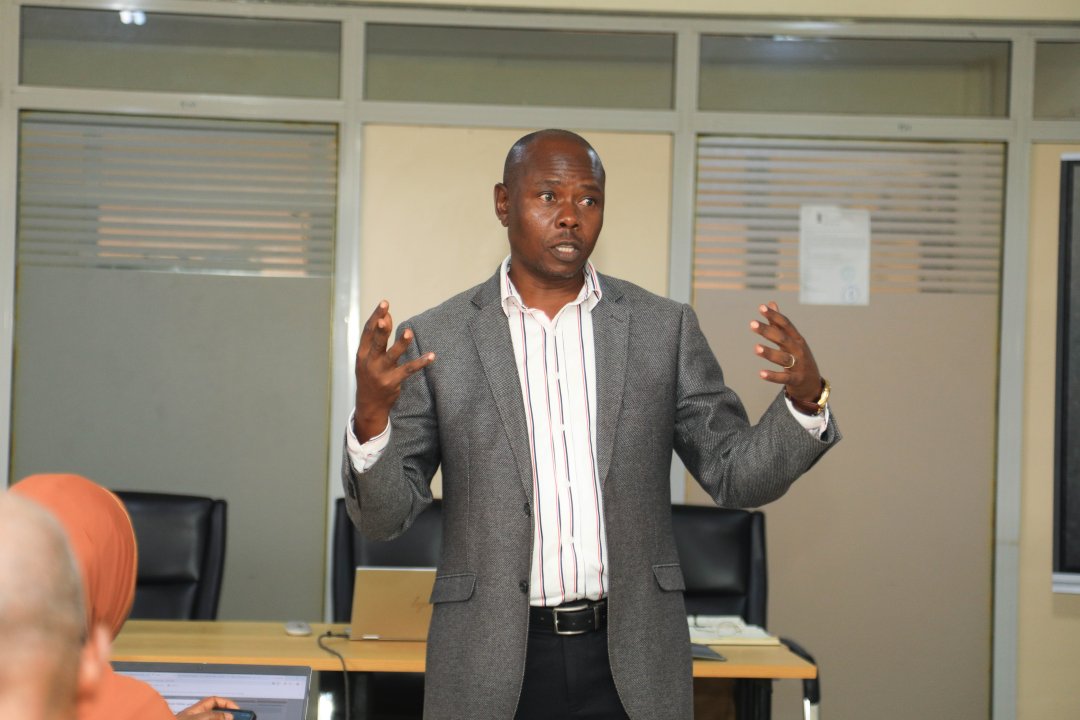
Dr. Mariam Oyedeyi Amusa, Manager of Entrepreneurship at RICE, discussed customer needs, market identification, and product generation, urging trainers to teach students how to pitch and test their ideas.
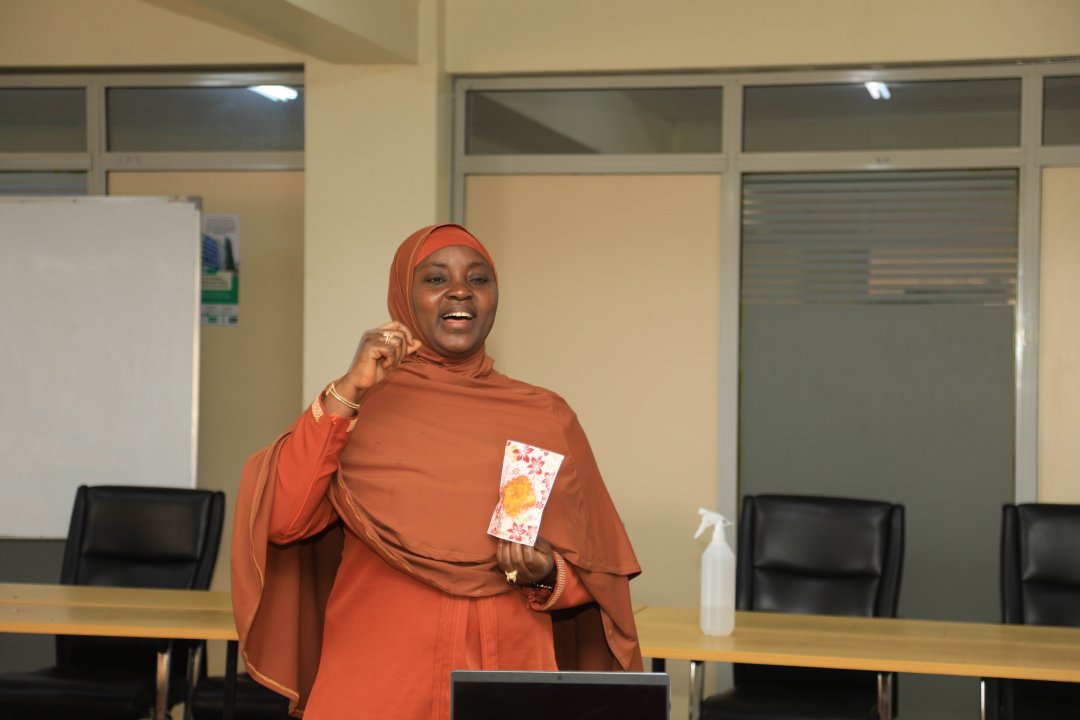
Dr. Mundu Mustafa, Deputy Vice Chancellor Finance and Administration, stressed KIU’s vision of producing graduates who are job creators rather than job seekers. “We are shifting away from the era of merely creating knowledge and awarding certificates. Our target is to train graduates who can transform ideas into enterprises," he said.
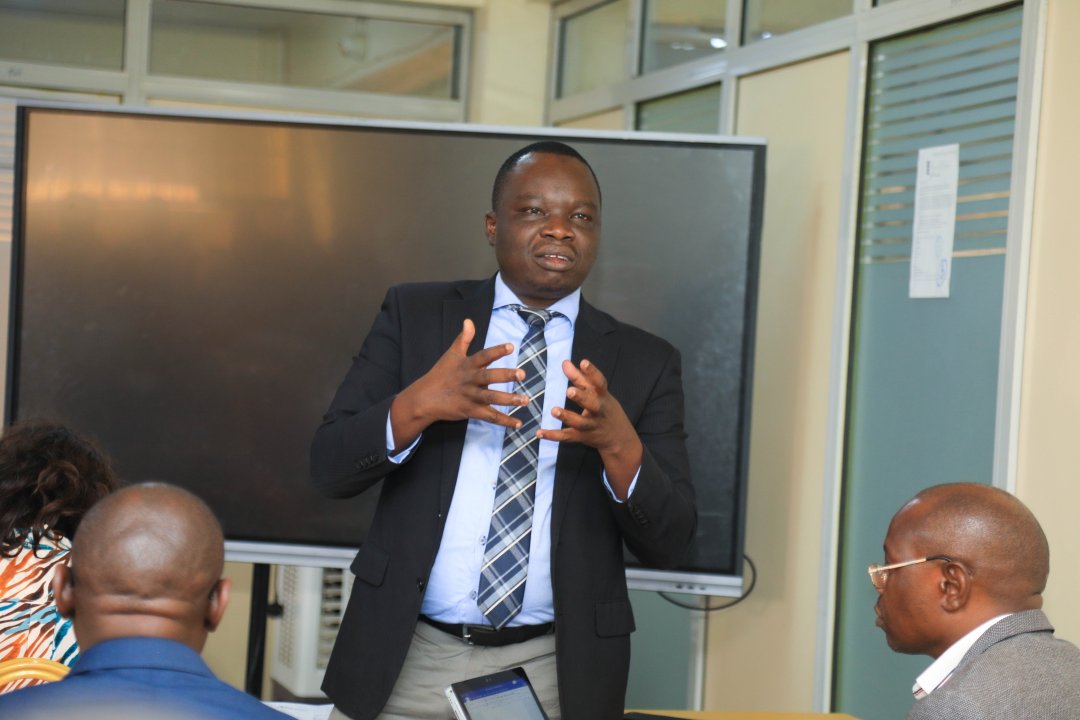
Prof. Regina Ejemot Ndwadiaro, DVC RICE, reemphasized the importance of visibility in entrepreneurship. “Visibility is the new current. Learn how to package simple ideas and make them attractive to the public," she advised.
The workshop reaffirmed KIU’s commitment to fostering entrepreneurial education and innovation.