KIU Champions Student Welfare Through Campus Food Security Summit
- Agnes Kiconco
- /
- October 22, 2026
- 21
By Hattie Wright
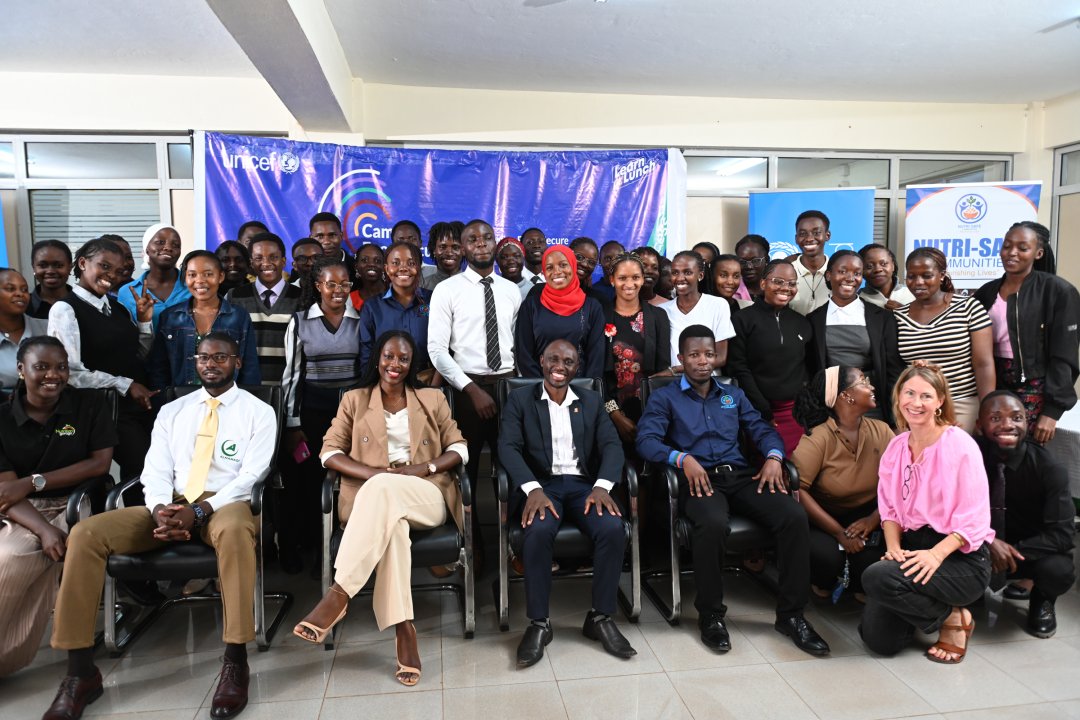
KIU, Main Campus – In a bid to end campus hunger, Kampala International University (KIU) on Wednesday, 21st October 2026, through its Guild Union in partnership with Learn and Lunch, hosted the Campus Food Security Summit, bringing together 337 students from 25 universities to discuss solutions to food insecurity within Uganda’s higher education institutions.
Held under the theme “Building Food-Secure Universities in Uganda,” the summit convened students, university leaders, government representatives, development partners and civil society organisations to explore how access to adequate, safe, affordable and nutritious food affects student wellbeing, academic performance and overall success.
The summit aimed to create a platform for dialogue and collaboration on campus food insecurity, while identifying practical, sustainable and student-centred solutions that can improve access to nutritious food and enhance student welfare across universities in Uganda.
One of the key highlights was the commitment by Maria Schiffer, Holistic Nutrition and Food Systems Consultant and Director of Body and Soil to work with Learn, Lunch and university partners towards establishing Campus Food Innovation Labs. The proposed initiative seeks to bring together students, food vendors, farmers, nutrition experts and other stakeholders to design and test practical solutions for improving campus food environments.
The labs are expected to explore areas such as affordable meal development, nutrition education, food waste reduction, improved food storage and small-scale campus food production. Schiffer also pledged support in fostering partnerships and developing a framework to guide the initiative's implementation.
Henry Semakula, Senior Education Officer Department of Guidance and Counselling, Ministry of Education and Sports (MoES) who represented Higher Learning Institutions, highlighted ongoing efforts to develop policies aimed at improving student welfare in higher education institutions.
He emphasised the need for collaborative action involving government, universities, students and development partners.
Semakula further committed to forwarding the concerns and recommendations raised during the summit to inform the policy development process and encouraged stronger student participation and research to better understand the realities of campus food insecurity.
The summit provided students with an opportunity to share their experiences regarding challenges in accessing nutritious meals, including rising food costs, limited financial resources and inadequate food options.
Contributions from representatives of United Nations Children's Fund (UNICEF) Uganda, Center for Food and Adequate Living Rights (CEFROHT) and other organisations highlighted the importance of nutrition, evidence-based advocacy and recognising access to adequate food as a key factor in educational success. Participants also called for stronger food security policies, improved food safety standards and increased student involvement in decision-making processes affecting their welfare.
The Campus Food Security Summit 2026 marked an important step in advancing conversations on student welfare and food security within Uganda’s universities. By bringing together 337 students from 25 institutions alongside policymakers, development partners and university leaders, the summit fostered meaningful dialogue, strengthened partnerships and generated commitments towards practical and sustainable solutions.
Under the rallying call “No Student Should Study Hungry,” the event reaffirmed the shared responsibility of universities, government and stakeholders to create learning environments where students have access to safe, affordable and nutritious food, enabling them to thrive academically and personally.