KIU Embarks on Competence-Based Curriculum Review
- Agnes Kiconco
- /
- August 19, 2026
- 79
By Hattie Wright
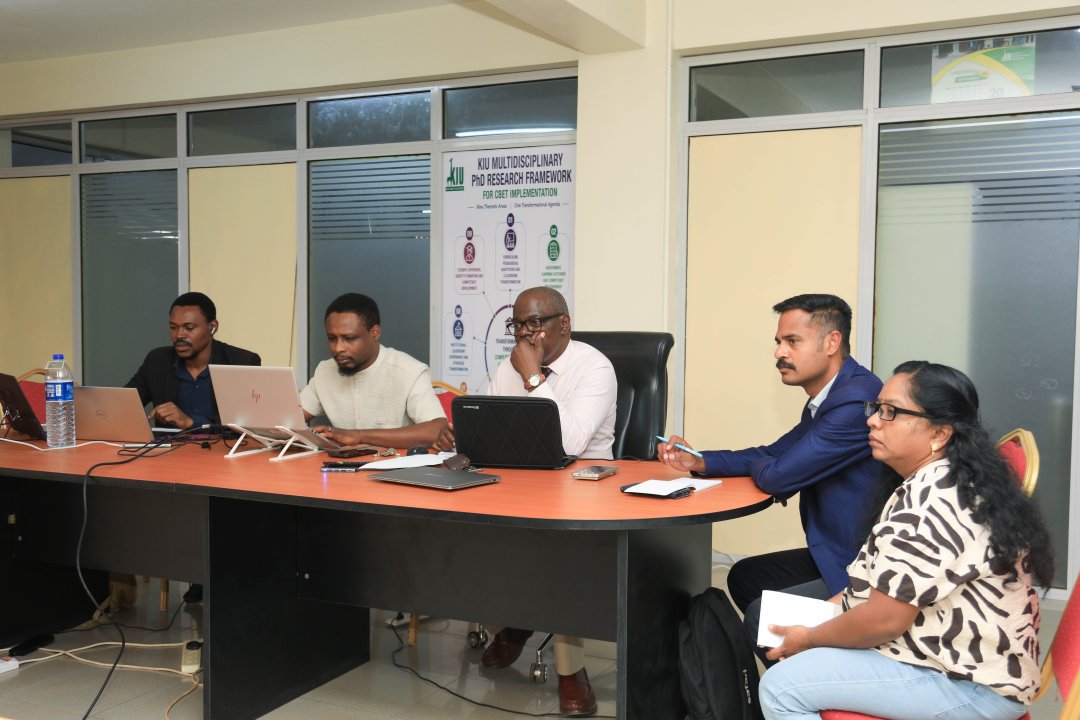
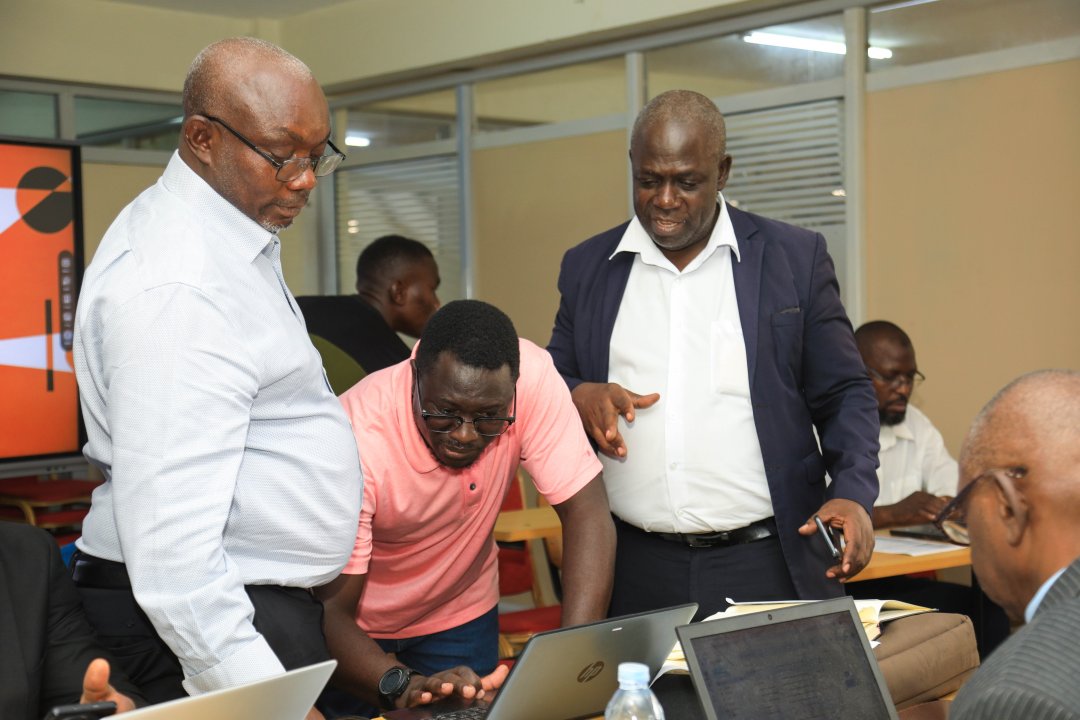
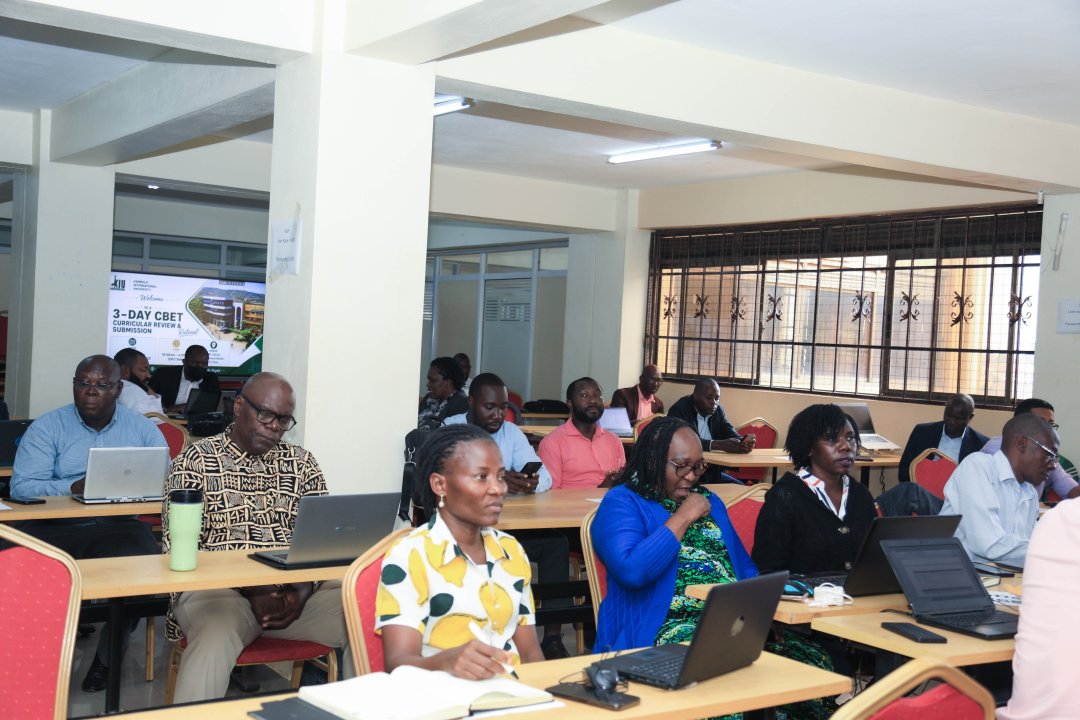
KIU, Main Campus - On Wednesday, August 19th, 2026, Kampala International University (KIU) commenced a three-day curriculum review workshop aimed at aligning its academic programs with the Competence-Based Education and Training (CBET) framework.
The initiative seeks to finalize and submit a quality-driven curriculum that emphasizes excellence, relevance, and hands-on learning.
Heads of Departments, Deans, Principals, and other Academic Directorates engaged in group sessions to critically examine existing programs. Prof. Ngoma Muhammed, Vice Chancellor, underscored the urgency of timely submission to the National Council for Higher Education (NCHE) for accreditation and approval.
Prof. Ngoma stated, “CBET is the way forward, and with teamwork we can review these programs while reflecting on the kind of graduate we want to produce. We should be piloting these curriculums with learners to see how they work in practice. While we are behind schedule, we must submit early before other universities.”

He emphasized that KIU’s vision is to nurture graduates who are ethical, competent, confident, and capable of solving community problems and creating employment opportunities. He further urged participants to integrate the Sustainable Development Goals (SDGs) and Uganda’s National Development Plan IV (NDP4) into the curriculum, stressing that quality and relevance must take precedence over mere compliance.
Dr. Jacob Ashibi, Deputy Vice Chancellor Academic Affairs, who moderated the workshop, reemphasized the importance of aligning industry needs with competence-based outcomes, assessment methods, and quality assurance.

He highlighted areas for improvement, including sequential coding systems, assessment criteria; (30% random assessment tests, 20% continuous assessment, and 50% end-of-semester exams), and the integration of community engagement.
Dr. Ashibi explained, “Every course unit should include an element of community engagement. Students will spend two weeks working directly with communities, and at the end of the process they will submit a report.”
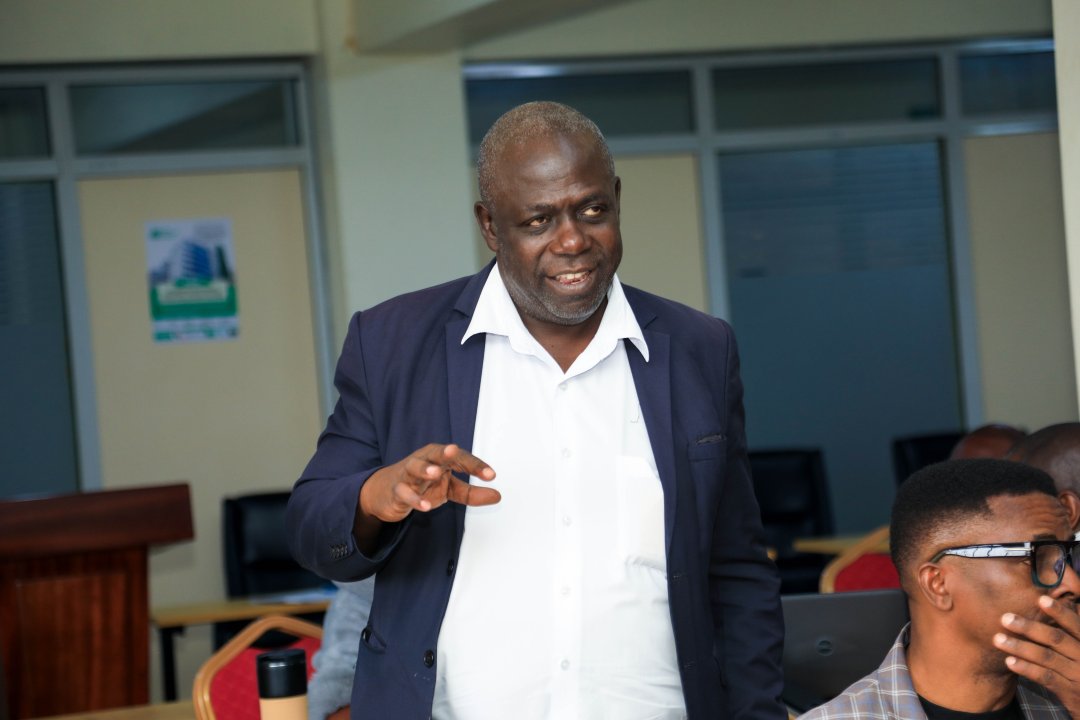
Dr. Mathias Mulumba Mutema, Technical Advisor CBET-Implementation Unit, stressed the centrality of internships in CBET programs. He outlined a three-tier internship model:
- Internship I – introducing students to workplace environments and basic knowledge application.
- Internship II – applying disciplinary knowledge to solve real-world problems and contribute to community development.
- Internship III – demonstrating professional competencies that prepare learners for the job market.

In a Q&A session, Dr. Willy Turyahikayo, Deputy Director Directorate of Higher Degrees and Research, addressed challenges related to synchronizing KIU’s internship timelines with industry schedules, noting the importance of harmonization for effective placements.
Government Rollout of CBET Curriculum
The Ugandan government officially rolled out the CBET curriculum in 2020 at the lower secondary level, with the first cohort expected to transition into universities by 2027. The reform was introduced to shift education from theory-heavy approaches to practical, hands-on learning that equips learners with problem-solving skills, entrepreneurial capacity, and industry relevance..

By directive of the Ministry of Education and Sports, all tertiary institutions are required to fully adopt CBET by the 2027/2028 academic year, ensuring graduates are prepared to meet national development priorities.
Conclusion
KIU’s curriculum review workshop marks a decisive step toward aligning its academic programs with national reforms. By embedding community engagement, structured internships, and competence-based assessments, KIU is positioning itself to produce graduates who are work-ready, innovative, and responsive to societal needs.
As Uganda transitions to CBET nationwide, KIU’s proactive approach underscores its commitment to excellence, relevance, and transformative education.