KIU Explores Future of Medicine Through mRNA-LNP Technology
- Nakanwagi Annet
- /
- November 27, 2026
- 114
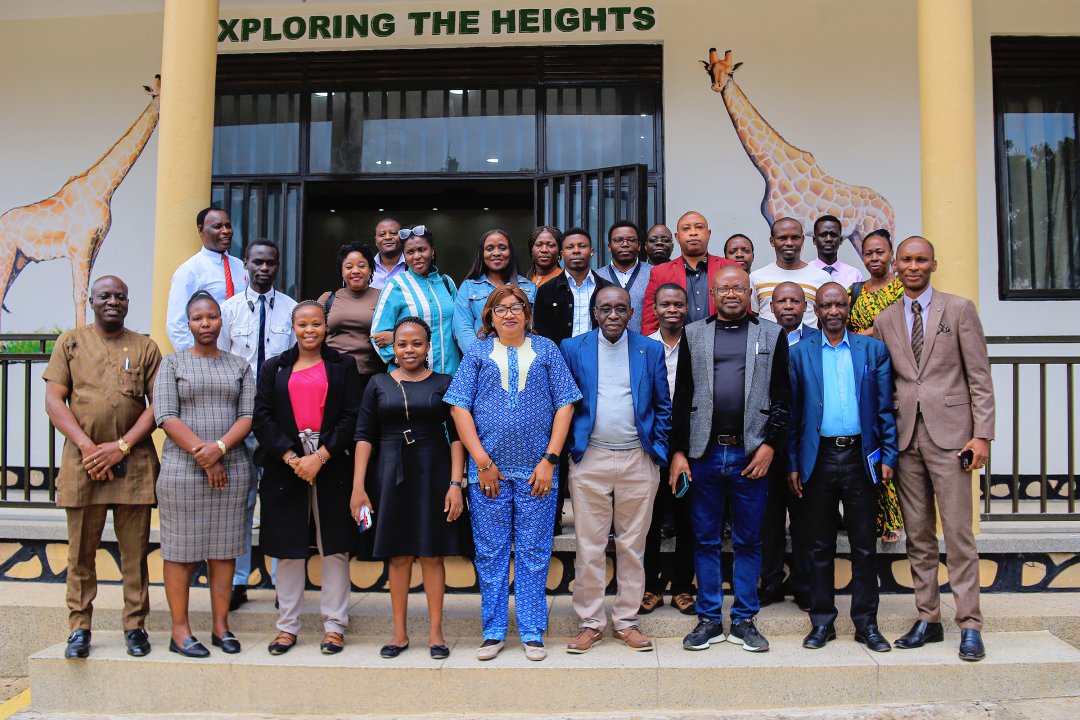
KIU, Western Campus - Advances in messenger ribonucleic acid (mRNA) technology, combined with gene editing and artificial intelligence (AI), are opening new possibilities for preventing and treating diseases. From personalized cancer therapies to potential interventions for genetic and autoimmune conditions, these developments formed the focus of a guest lecture at Kampala International University (KIU) Western Campus on Friday, November 27th, 2026.
Organized by the Directorate of Research, Innovation, Consultancy and Extension (DRICE), in collaboration with the Institute of Biomedical Research (IBR), the lecture was held under the theme, “The Promise of mRNA-Lipid Nanoparticles (mRNA-LNP) in Vaccines, Monoclonal Antibodies, Cancer Immunotherapy, Genetic Diseases, Autoimmune Conditions and Precision Medicine.”
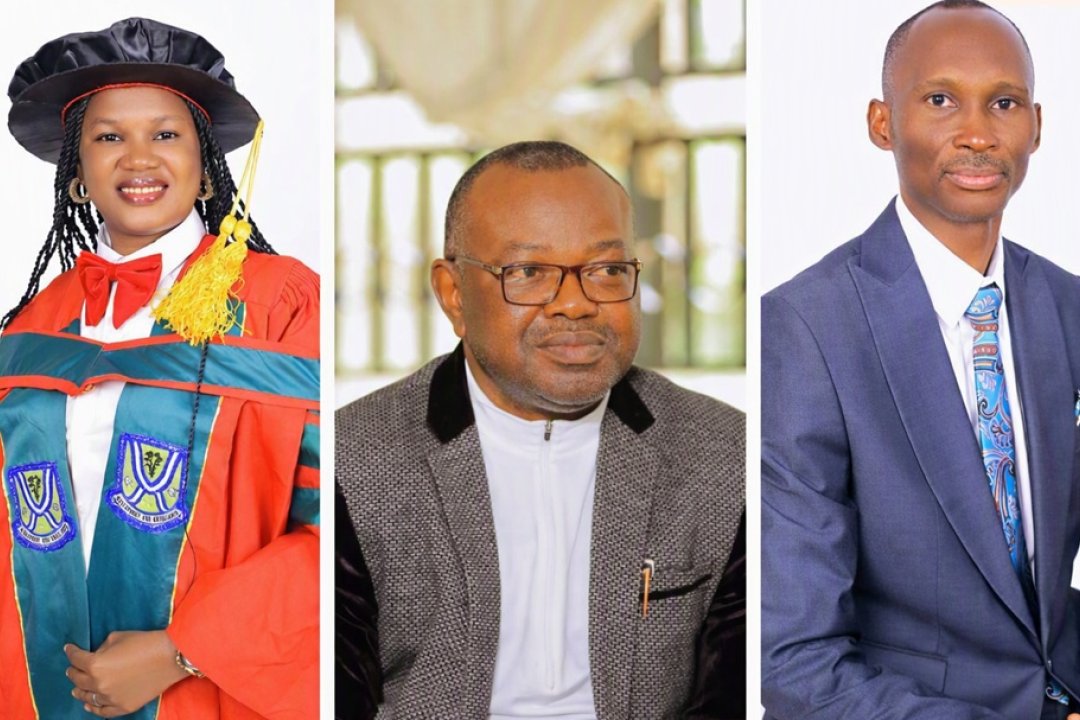
Welcoming participants, Prof. Patrick Maduabuchi Aja, Director of RICE, highlighted the relevance of the subject to contemporary health challenges. He expressed optimism that the engagement would deepen participants’ understanding of emerging scientific approaches to disease prevention and treatment.
In his opening remarks, Dr. Ibrahim Abubakar Babangida, Assistant Deputy Vice Chancellor for Academics and Research (ADVC-A&R), emphasized the importance of exposing the university community to emerging areas of scientific research. Recalling his earlier interaction with the guest lecturer on LinkedIn, he explained how the connection presented an opportunity to bring valuable expertise to KIU. He also expressed hope that the engagement would extend beyond the lecture to foster sustained academic interaction, mentorship, and collaboration before officially declaring the lecture open.
Delivering the main scientific presentation, Dr. Thomas Gordon Egwang, Director of Med Biotech Laboratories and affiliated with the Uganda National Health Research Organisation (UNHRO), reflected on his research journey and encouraged young people to pursue scientific inquiry beyond conventional career paths. He hoped the lecture would inspire emerging researchers to explore mRNA as an area of scientific investigation.
“If this talk inspires even one young investigator to pursue a career in research, or encourages an existing researcher to begin exploring messenger RNA, I would consider that a great success,” he said.
Using the rapid development of COVID-19 vaccines as an illustration, Dr. Egwang demonstrated how mRNA technology can translate scientific discoveries into practical medical applications. He explained that mRNA carries instructions that enable cells to produce specific proteins, thereby triggering an immune response. Its applications, however, extend far beyond vaccines.
Research into mRNA-based cancer immunotherapy, including personalized approaches targeting melanoma, is exploring new ways of directing the immune system against cancer cells. Other areas under investigation include allergies, autoimmune conditions such as myasthenia gravis and multiple sclerosis, and genetic disorders.
Another key area of the presentation was the role of lipid nanoparticles in protecting mRNA and facilitating its delivery into cells. Their composition influences how effectively they enter cells, release their contents, and reach particular tissues, making delivery optimization essential to the development of mRNA-based therapies.
Dr. Egwang also examined the intersection of mRNA research with gene-editing technologies such as CRISPR, base editing, and prime editing, alongside AI-assisted sequence design and optimization. He encouraged students and researchers in computer science, information technology, and bioinformatics to recognize the contributions their disciplines can make to biomedical innovation.
Addressing Africa's readiness to participate in these advances, he underscored the urgent need to develop local research capacity through investment in skilled manpower and infrastructure. He challenged the assumption that African students must always travel abroad to acquire specialized skills, pointing to existing research capacity in countries such as Senegal and South Africa.
In his take-home message, Dr. Egwang described the mRNA-LNP platform as the future of medicine, particularly when combined with advances in gene editing and AI. He challenged KIU to contribute to this future by investing in local expertise and infrastructure, nurturing young researchers, and strengthening interdisciplinary collaboration.
The lecture drew to a close with an interactive question-and-answer session, providing participants the opportunity to engage directly with the guest lecturer and explore the scientific possibilities and research opportunities discussed.