KIU Holds DHDR Seminar to Guide Postgraduate Students on Linking Research Findings to Discussions, Conclusions & Impact
- Agnes Kiconco
- /
- August 25, 2026
- 534
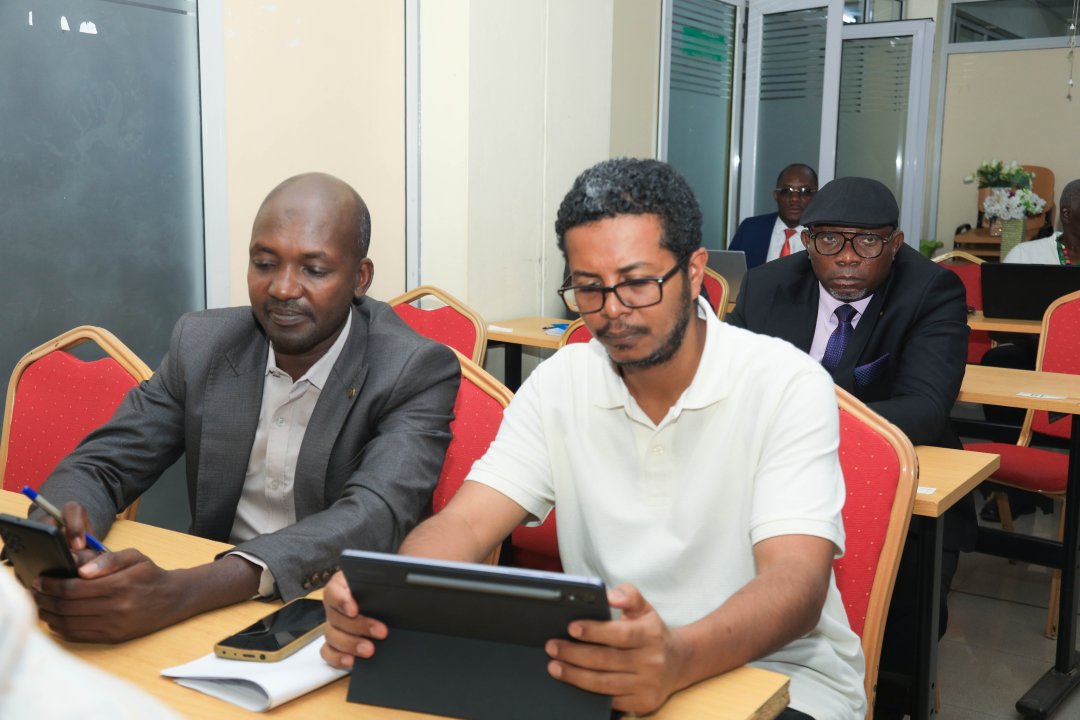
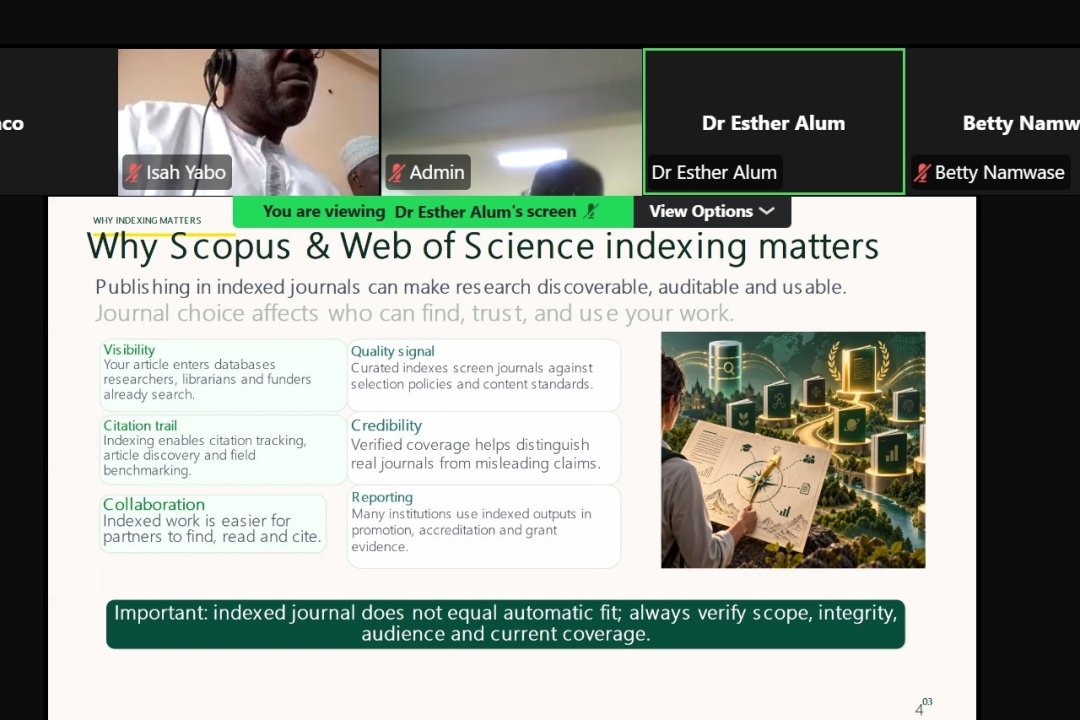
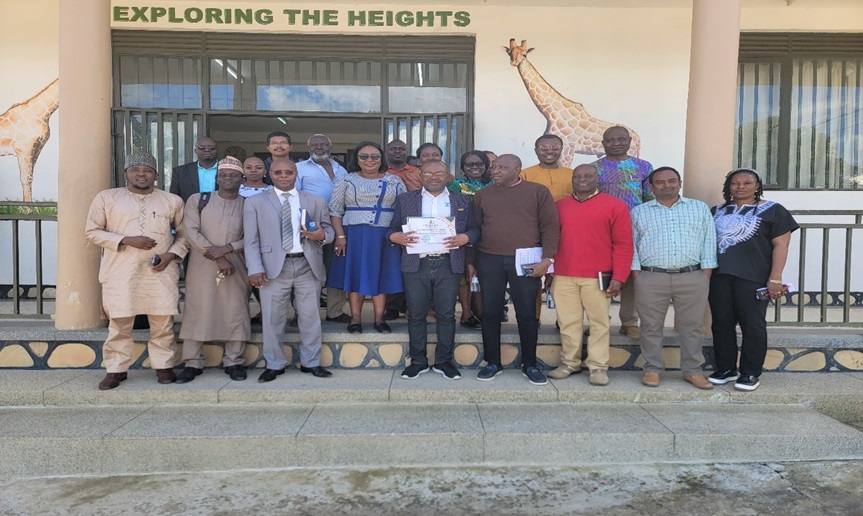
KIU, Main Campus - On Tuesday, 25th August 2026, academic staff and postgraduate students converged at the IBML 5th Floor Conference Room for the 10th edition of the DHDR/DRICE Monthly Seminar Series, a joint initiative of the Directorate of Higher Degrees and Research (DHDR) and the Directorate of Research, Innovations, Consultancy and Extensions (DRICE) at Kampala International University.
Themed "From Findings to Impact: Writing Discussions, Conclusions and Recommendations," this month's session brought together researchers, supervisors, and graduate students for an in-depth exploration of one of the most challenging stages of postgraduate research writing.
The seminar opened with remarks from Prof. Charles Waiswa, Director of DHDR who delivered welcoming remarks, thanking both in-person and online participants for making time for the session and acknowledging how technology has made hybrid participation possible.
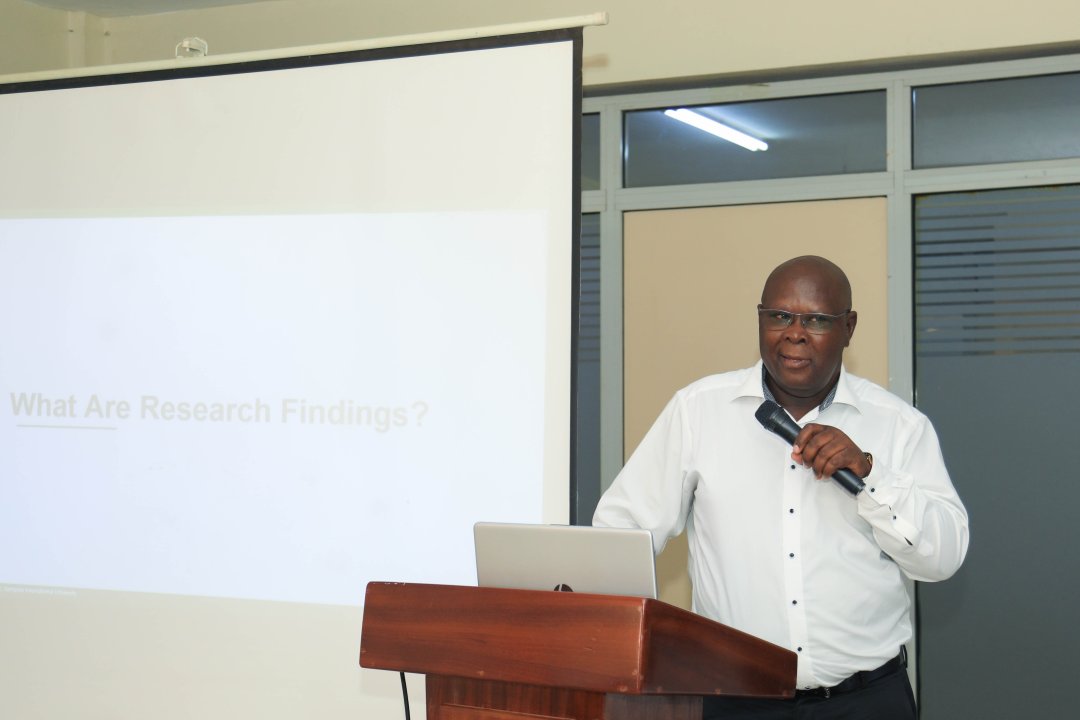
The seminar's keynote presentation was delivered by Dr. Wanjala Gidraf Joseph, Principal of the College of Education, Open and Distance Learning who walked participants through the full research journey, from problem framing to impact, before narrowing his focus to what he described as the intellectual core of any thesis or dissertation: the discussion, conclusion, and recommendations sections.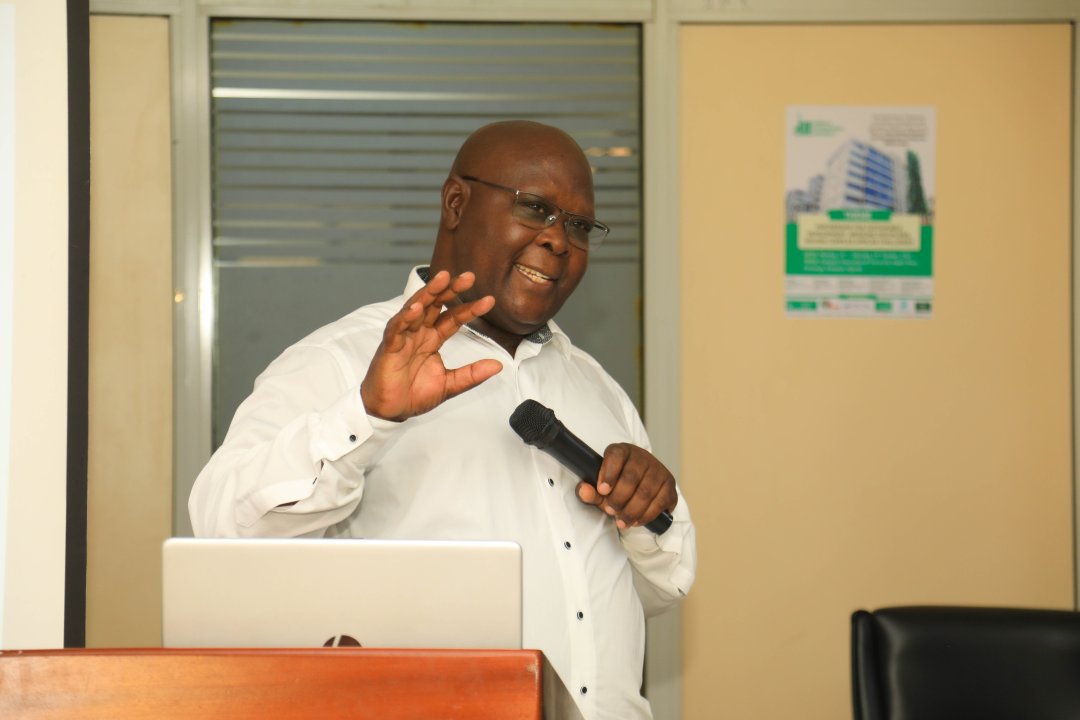
He opened with a challenge that resonated with many in the room: postgraduate students frequently produce strong findings that are ultimately let down by weak interpretation. As he put it, papers with excellent analysis often "end up lying on the shelf" simply because findings are repeated verbatim across the discussion, conclusion, and recommendations, rather than being interpreted and given scholarly meaning.
The presentation addressed several practical writing challenges commonly faced by postgraduate researchers:
- Sequencing discussions around research objectives, in the same order they were introduced, rather than jumping between them.
- Integrating mixed-methods findings, discussing quantitative and qualitative results together as a single, coherent narrative rather than as separate, disjointed sections.
- Bringing literature into the discussion through synthesis rather than a mere listing of studies that agree or disagree with the researcher's findings.
- Handling contradictory findings, explaining that disagreement with prior studies is not inherently wrong, provided the researcher can account for it, whether through differences in methodology, population, demography, or geographic scope.
- Using theory meaningfully, cautioning that many students develop elaborate theoretical frameworks in Chapter Two that are never referenced again. He urged that findings be explicitly traced back to the guiding theory, showing where they support, partially support, or extend it.
- Interpreting statistics with care, including correctly reporting p-values and correlation coefficients according to standard scholarly conventions, and distinguishing statistical significance from practical significance.
- Discussing regression results, including how to interpret the explained and unexplained variance, and using the latter to inform recommendations for future research.
- Writing qualitative discussions, moving beyond simply quoting respondents to describing themes, presenting evidence, interpreting meaning, and linking findings to literature and theory.
Dr. Wanjala drew a clear line between discussion and conclusion. While a discussion asks "what do the findings mean?", a conclusion asks "what can reasonably be determined from the evidence?"
He cautioned against conclusions that merely restate statistical results or read like an extension of the literature review, instead emphasizing that a conclusion should represent the researcher's final scholarly judgment, grounded in, but not repeating the evidence presented earlier.
The session featured active engagement from postgraduate students and faculty, several of whom offered real-world examples of contradictory findings and the contextual factors, methodology, population size, demography, and geographic scope that can account for such discrepancies.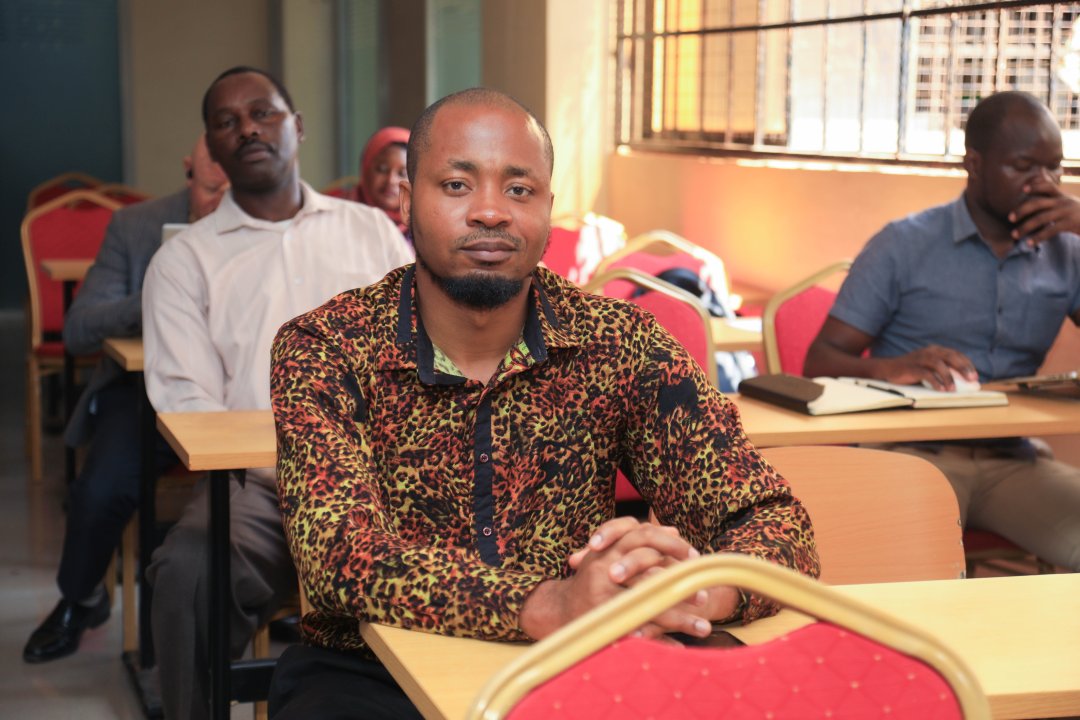
Dr. Muhammad Kibuuka, lecturer and Research Manager, closed the seminar with reflections on the value of consistent attendance at such series, describing research skill-building as a cumulative journey rather than something acquired in a single sitting.
He also stressed the importance of ensuring that recommendations flow directly from a study's stated objectives, noting that it is common, but problematic, for students to present far more recommendations than their objectives can support.
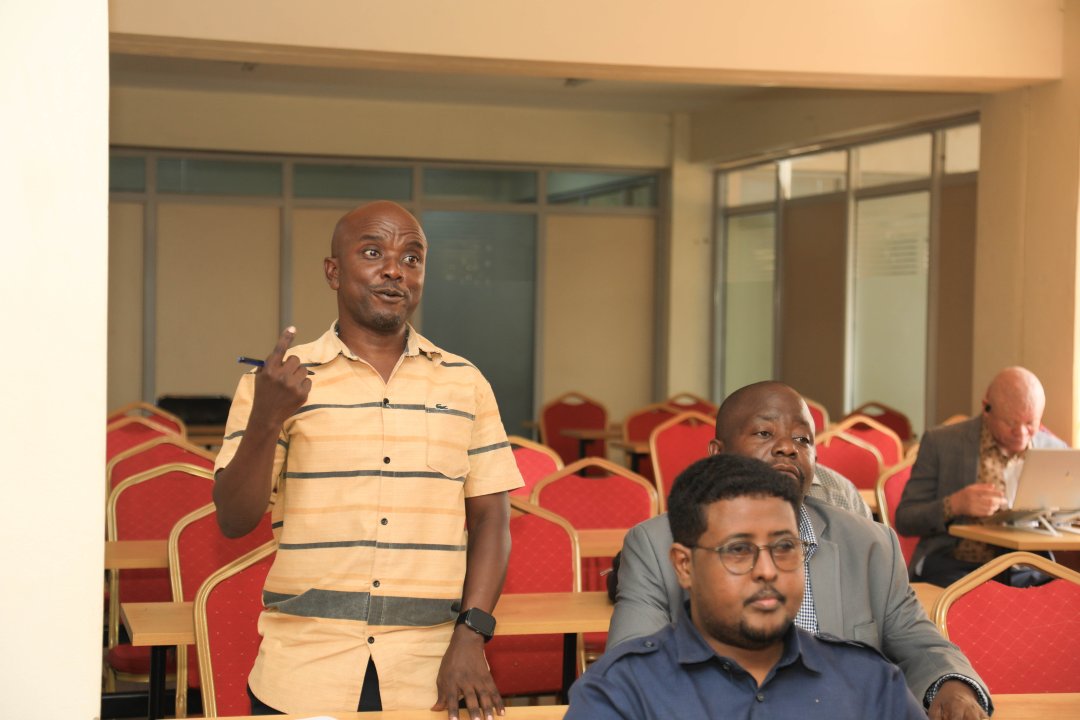
Looking ahead as DHDR and DRICE continue their monthly seminar series, participants were encouraged to attend future sessions with full focus, take away practical lessons, and apply them directly to their ongoing research.
With the 2026 International Research and Development Conference (IRDeC) on the horizon in October, Prof. Isah Yabo Bala, Deputy Research Coordinator for DHDR, used the platform to announce that the conference will be scheduled for 12th–16th October 2026.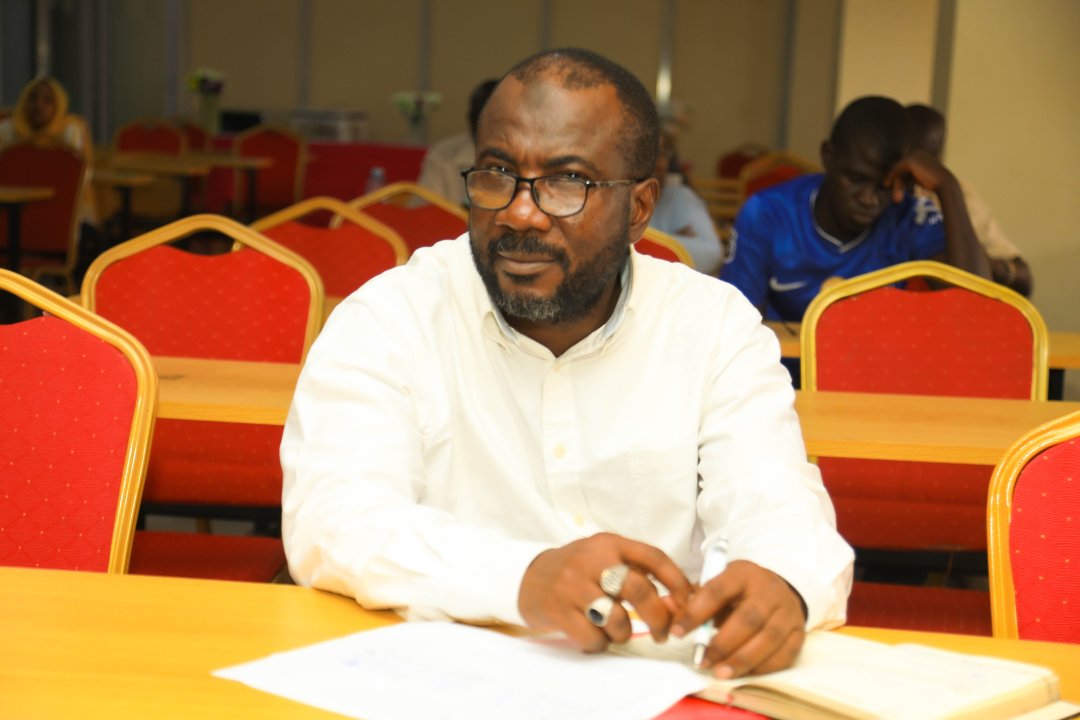
Prof. Bala also urged postgraduate students to submit abstracts, reminding the audience that publication remains a core requirement for graduation from KIU's postgraduate programs.
In a wrap, the seminar’s message to KIU's postgraduate community was clear: strong findings deserve strong interpretation, and it is that interpretation that ultimately determines a study's impact.