KIU Holds Virtual Research Publication Workshop to Enhance Scholarly Visibility
- Agnes Kiconco
- /
- September 18, 2026
- 197
By Hattie Wright
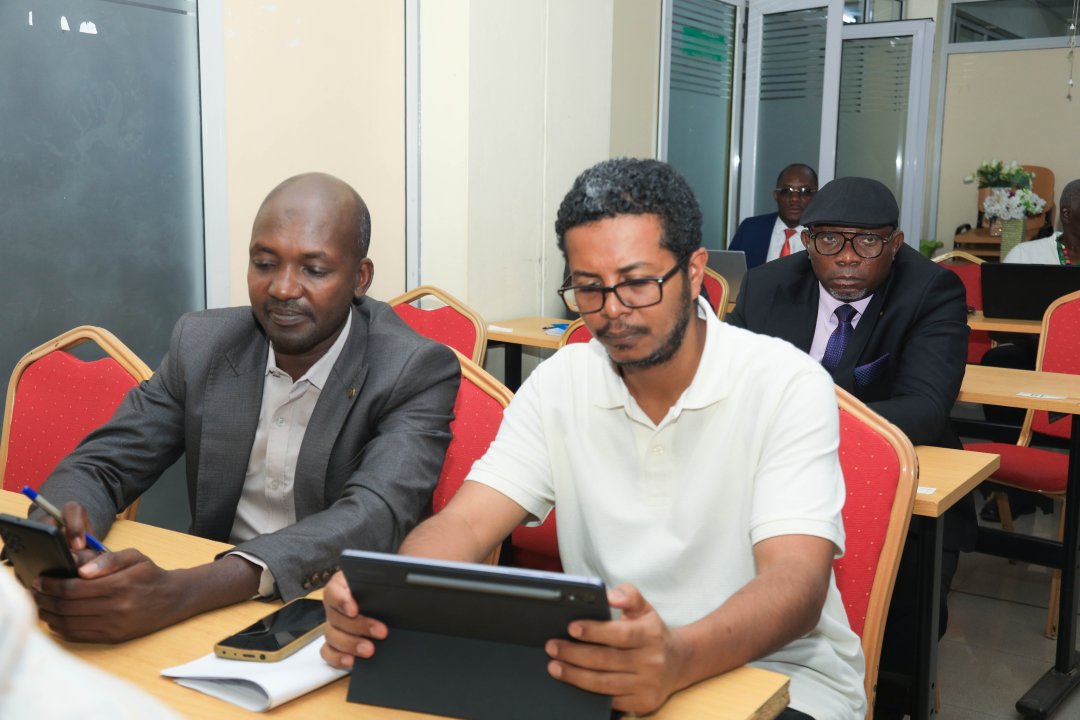
KIU, Main Campus - On Friday, September 18th, 2026, Kampala International University (KIU), Main Campus through the School of Natural and Applied Sciences (SONAS) in collaboration with the Directorate of Research, Innovation, Consultancy and Extension (DRICE), conducted a virtual research publication workshop aimed at strengthening the capacity of academic staff, researchers and postgraduate students to successfully publish in internationally recognised journals and increase the global visibility of their research.
Held under the theme, “Sourcing and Publishing in Scopus and Web of Science Indexed Journals,” the workshop sought to equip participants with practical knowledge on identifying credible journals, preparing high-quality manuscripts, navigating the publication process and maintaining research integrity in scholarly publishing.
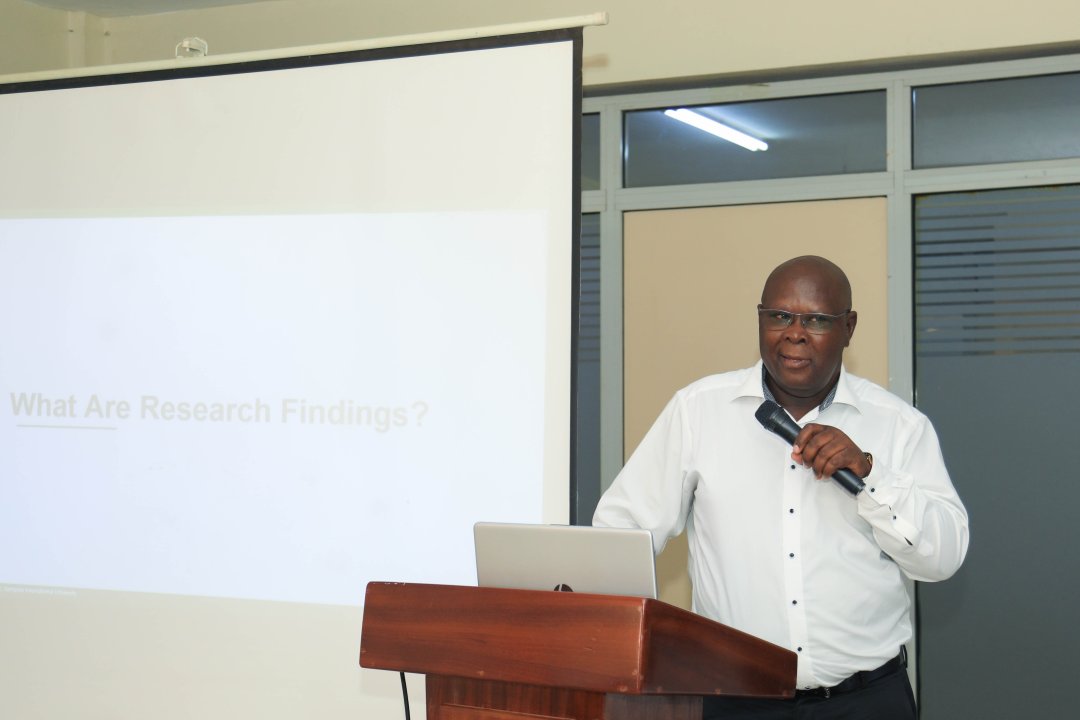
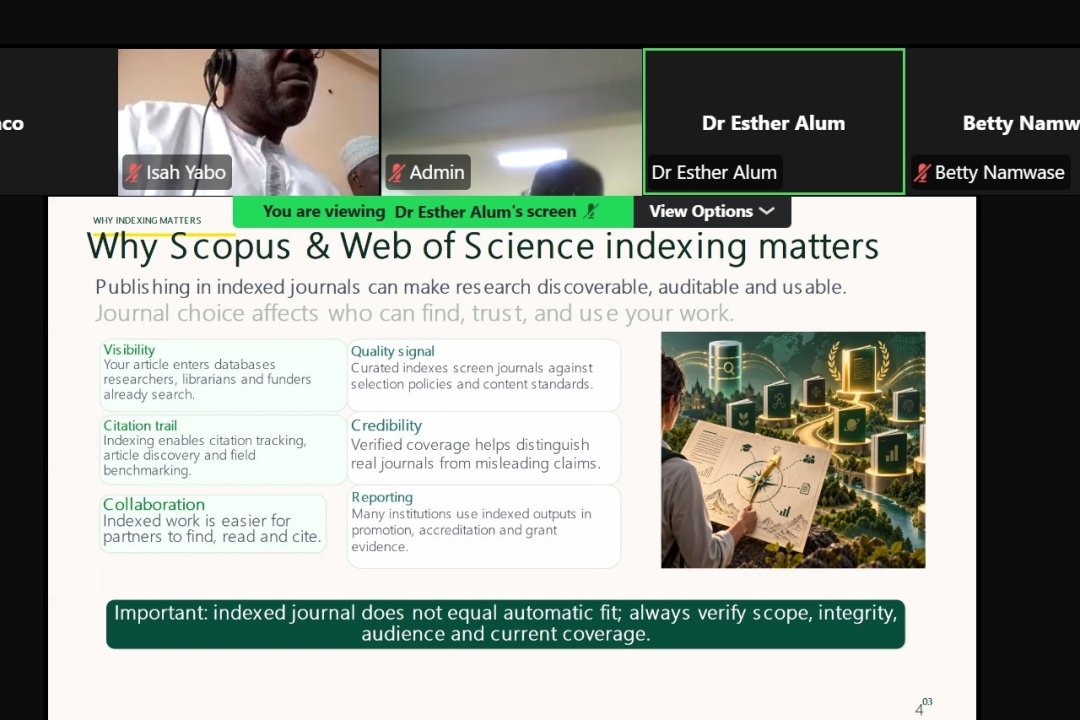
Facilitating the session, Dr. Esther Ugo Alum, Head of the Research and Publications Unit (Main Campus), highlighted the importance of publishing in Scopus and Web of Science indexed journals, noting that such platforms enhance the visibility, credibility and impact of academic research.
She explained that indexing allows research articles to be accessed by a global audience of scholars, funding agencies and institutions, increasing opportunities for citations, academic recognition and collaboration.
“Publishing in reputable indexed journals ensures that your work is discoverable, measurable and accessible to researchers around the world,” she said.
Dr. Alum further noted that indexed journals provide an avenue for tracking citations and measuring research impact while enabling scholars to benchmark their contributions against developments within their respective disciplines.
She also cautioned researchers against predatory journals and misleading publication claims, emphasizing the need to verify whether a journal is genuinely indexed before submitting manuscripts.
In her view, researchers should carefully evaluate a journal’s title, indexing status, scope and relevance to their field of study rather than relying solely on journal metrics.
“Always verify the information provided by a journal. Researchers must ensure that their manuscripts align with the journal's scope and publication requirements before submission,” she advised.
The workshop also explored strategies for improving manuscript quality and ensuring research articles are discoverable once published. Dr. Alum emphasized the importance of following journal guidelines, maintaining proper formatting and presenting research findings clearly and professionally.
Discussing the structure of an effective abstract, she explained that a strong abstract should clearly communicate four key elements: the problem being addressed, the methodology used, the major findings obtained and the broader implications of the study.
She further encouraged researchers to pay close attention to referencing, noting that references should be accurate, relevant to the study and largely drawn from recent literature published within the last five years.
A significant focus of the workshop was research ethics and publication integrity. Dr. Alum reminded participants that academic publishing requires honesty, originality and accountability throughout the research process.
She stressed the importance of avoiding plagiarism, properly acknowledging sources, maintaining transparency in reporting findings and disclosing the use of Artificial Intelligence (AI) tools where applicable.
“AI can support the writing process, but it must never replace the critical judgement of an author. Researchers remain responsible for the accuracy, quality and integrity of the work they submit for publication,” she said.
The participants were also guided on how to respond professionally to reviewers' comments, revise manuscripts effectively and make informed decisions during the publication process.
In addition, Dr. Alum informed participants that several journals and publishers offer publication waivers and funding opportunities, which can help researchers publish their work without incurring significant costs.
To strengthen their academic profiles and increase the reach of their work, researchers were encouraged to register on recognised academic platforms and maintain an active scholarly presence online. She noted that academic visibility is essential because it allows research findings to be discovered, utilised and trusted by the wider scientific community.
The workshop forms part of KIU's broader commitment to promoting a vibrant research culture and enhancing the quality and impact of scholarly outputs produced by its staff and students.
As the University continues to strengthen its position as a research-driven institution, the workshop reaffirmed KIU's dedication to equipping researchers with the skills, knowledge and ethical practices necessary to produce impactful research that contributes to national development and global scientific advancement.