KIU Hosts Scholarly Dialogue on Intelligent Design through African Perspectives
- Nakanwagi Annet
- /
- September 08, 2026
- 392
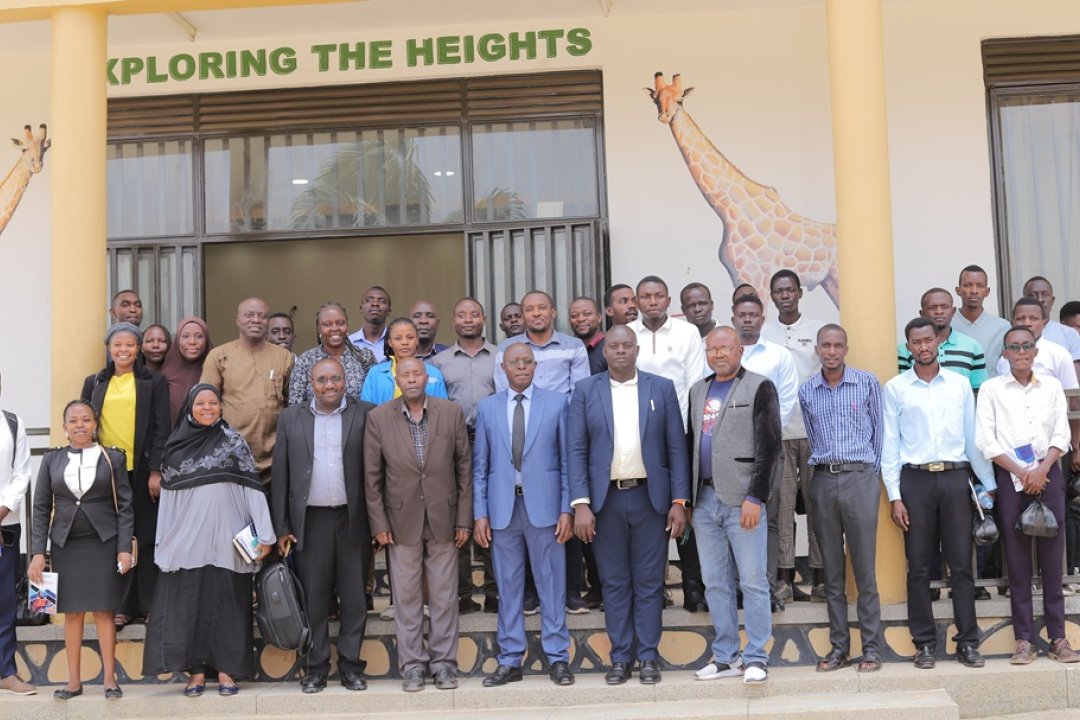
KIU, Western Campus - Kampala International University, Western Campus (KIU-WC) on Tuesday, September 8th, 2026, hosted a scholarly dialogue on intelligent design, bringing together academics, researchers and students to examine questions surrounding the origins of life, biological complexity, evolutionary theory and Africa’s role in contemporary scientific inquiry.
Held at the Staff Common Room under the theme “Intelligent Design Through the Lenses of African Scholars,” the engagement was organized by the Directorate of Research, Innovation, Consultancy and Extension (DRICE), KIU-WC, in collaboration with BioCosmos Uganda.
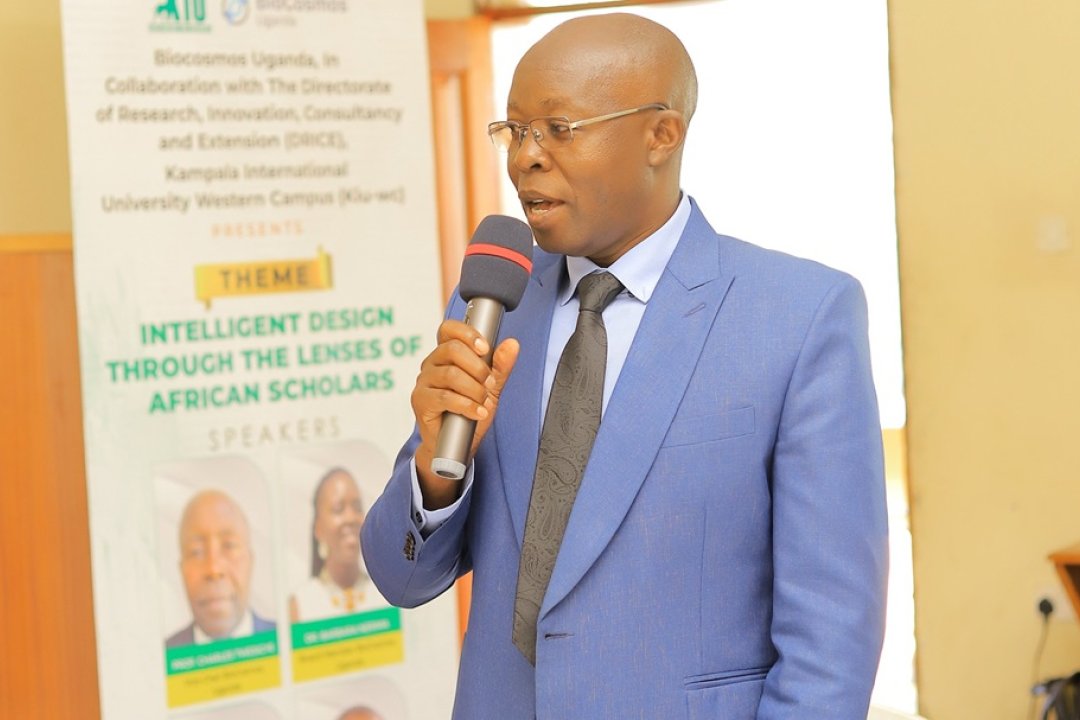
Opening the engagement, the Deputy Vice Chancellor, KIU-WC, Assoc. Prof. Eric Mabonga, welcomed the visiting scholars, encouraged staff and students to engage critically with emerging knowledge in science, technology, artificial intelligence and the life sciences. He also emphasized the importance of continuously reviewing university curricula to respond to new knowledge and regulatory requirements.
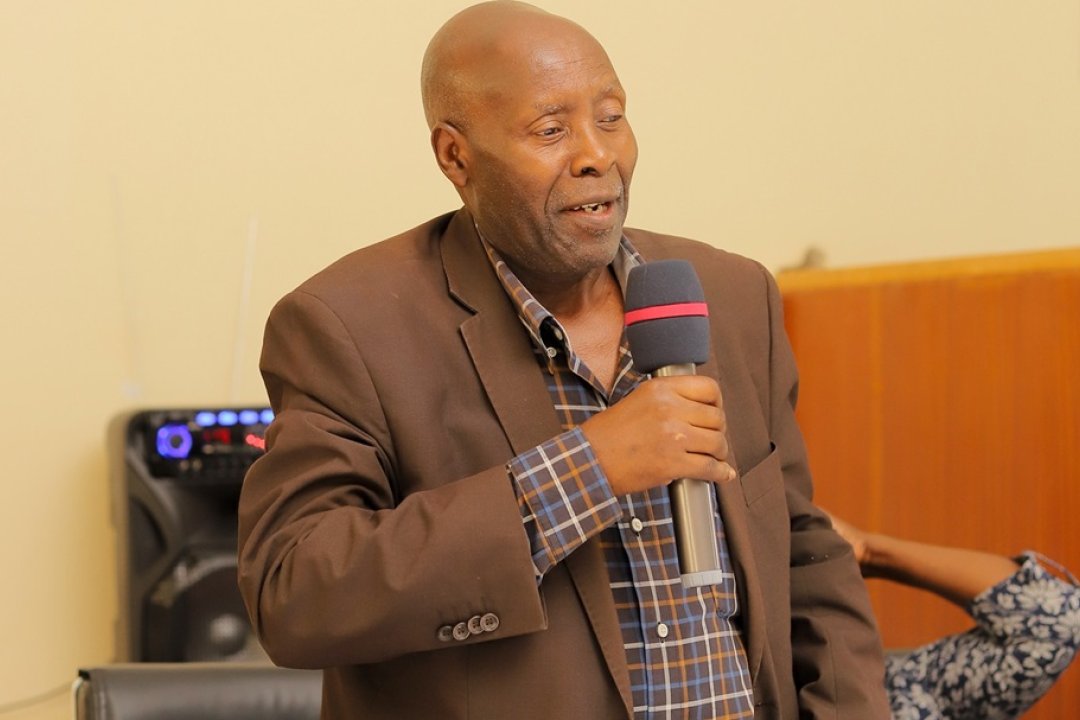
Prof. Charles Twesigye, Vice Chair of BioCosmos Uganda, placed the discussion within the broader history of scientific inquiry, drawing on his background in molecular genetics and evolutionary biology and more than three decades of teaching evolution. He traced the development of evolutionary thought from Charles Darwin’s 1859 publication of On the Origin of Species, while highlighting major advances in molecular biology and genetics, including the discovery of Deoxyribonucleic Acid’s (DNA) structure in 1953 and completion of the Human Genome Project in 2003.
Prof. Twesigye argued that such advances have provided contemporary researchers with tools unavailable to earlier generations and called for greater African participation in scientific discovery. “African researchers must move beyond consuming knowledge generated elsewhere and contribute to interrogating existing ideas and producing new knowledge,” he urged.
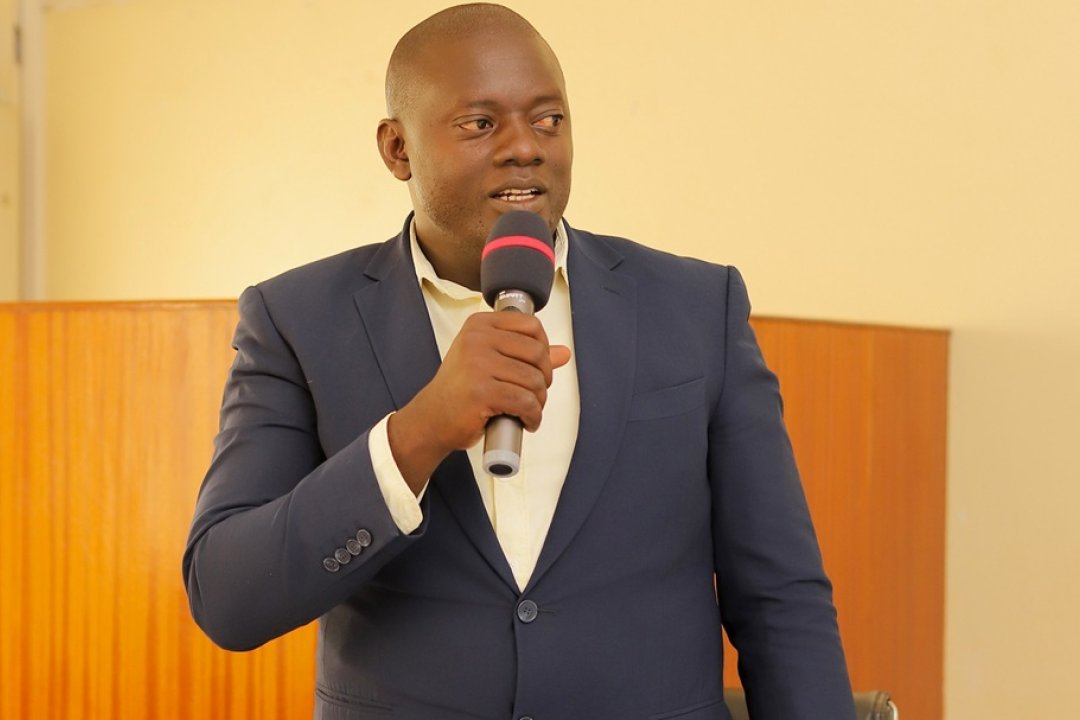
Isaac Mutono, Administrator of BioCosmos Uganda, introduced the organization’s mission of promoting academic engagement around questions concerning the universe, the origin of life and human origins. Presenting intelligent design as a framework for scientific inquiry, he encouraged participants to “follow the evidence where it leads.” He highlighted the organization’s focus on research, training, academic forums and student engagement across East Africa.
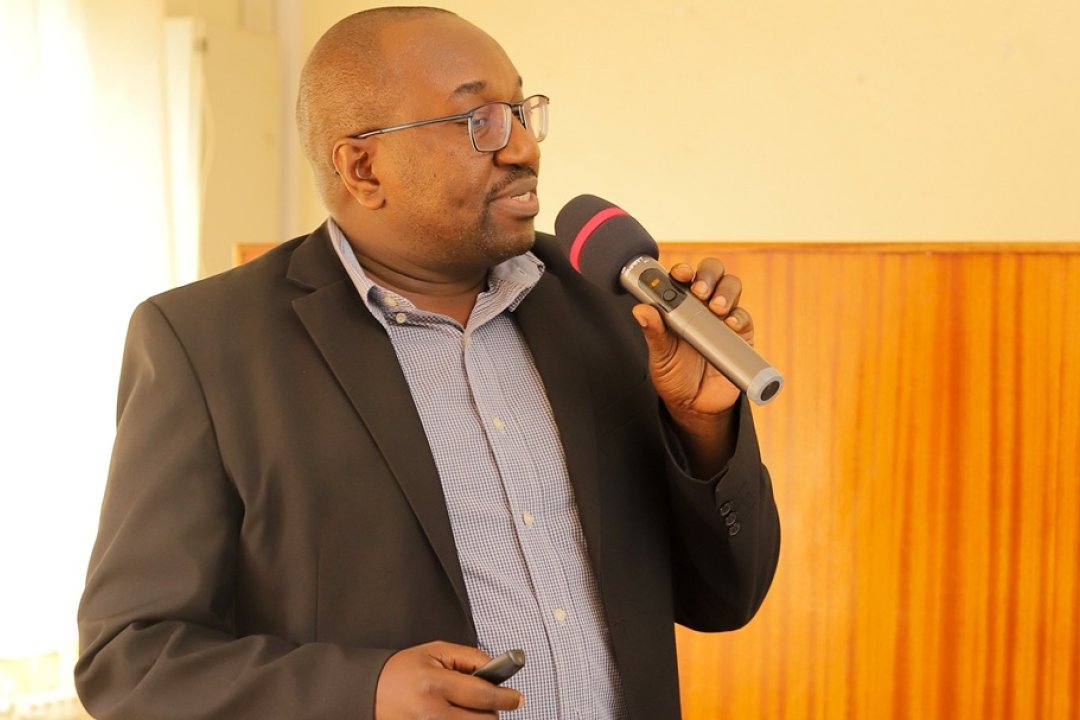
The main presentation was delivered by Dr. Joel Isanga, Treasurer of BioCosmos Uganda, who explored intelligent design through molecular biology, genetics and systems biology. Using examples such as written messages, computer codes and architectural blueprints, he argued that organized and purposeful information can lead observers to infer an intelligent source.
Dr. Isanga examined DNA, gene expression, cellular organization and biological systems, arguing that their information content and functional integration warrant continued investigation. He also discussed irreducible complexity, using examples including molecular transport systems, blood clotting and the bacterial flagellum.
He explained an approach to inference associated with philosopher William Dembski, through which researchers consider whether natural laws or chance adequately explain an observed phenomenon before considering other explanations. “Such conclusions should remain subject to scientific scrutiny through observation, hypothesis formation, testing and analysis,” he stressed.
The presentation also examined the distinction between microevolution and macroevolution. While acknowledging observable changes within populations, Dr. Isanga questioned whether mutation, natural selection and genetic drift alone fully explain the emergence of new functions, information and highly complex biological systems associated with major evolutionary changes.
Reflecting on the advances made since Darwin’s time, he challenged researchers to reconsider longstanding questions using modern scientific tools, asking, “With all those technological advancements that have come, can you still say the same?”
He consequently urged African scholars and students to take a more active role in scientific production, saying, “Be part of the producers as opposed to consumers in science and technology.”
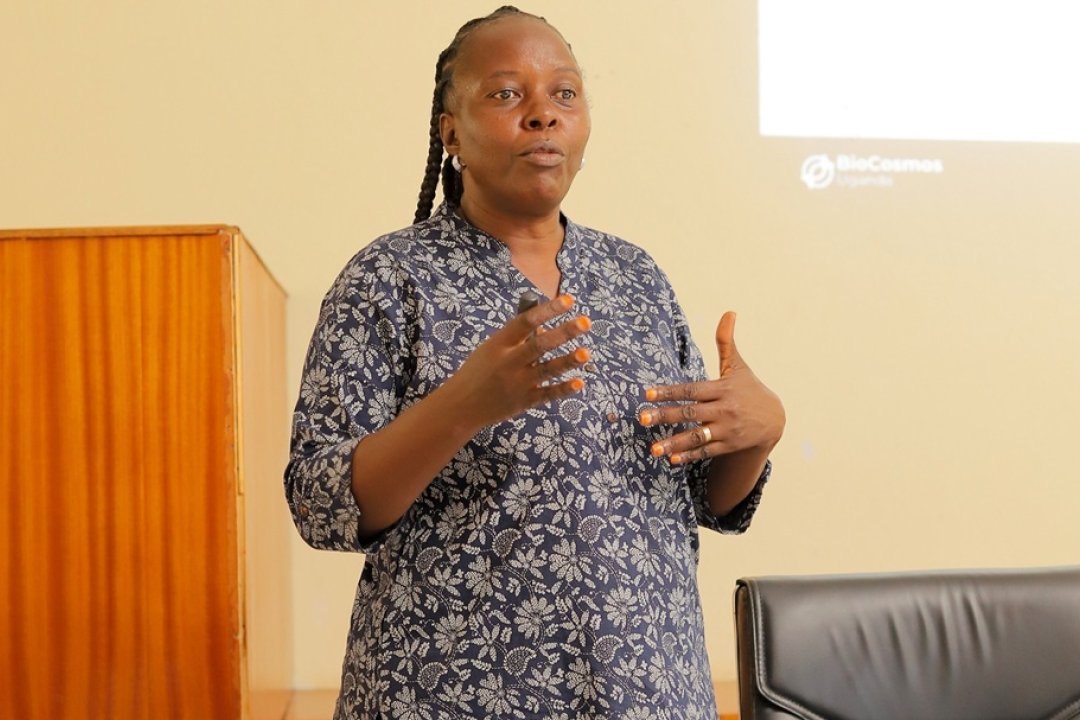
Dr. Barbara Nerima, a specialist in molecular biology, comparative biochemistry, and systems biology, as well as a board member at BioCosmos Uganda, complemented the discussion by examining biological interdependence through the example of sickle cell disease. She explained how alterations affecting haemoglobin can disrupt oxygen transport, using the case to highlight the critical importance of coordinated biological systems.
She also encouraged students to know their status. “Please know your sickle-cell status,” she urged.
Dr. Nerima introduced participants to BioCosmos Uganda’s academic resources, including books, articles, videos, online courses and student clubs. She also highlighted research opportunities in molecular biology, genetics, bioinformatics and bioengineering, noting that the organization’s current research-funding call closes on October 5th, 2026.
She further advocated for continuous curriculum review in response to advances in scientific knowledge and noted that BioCosmos Uganda is engaging the National Council for Higher Education (NCHE) and the National Curriculum Development Centre (NCDC) on the subject.
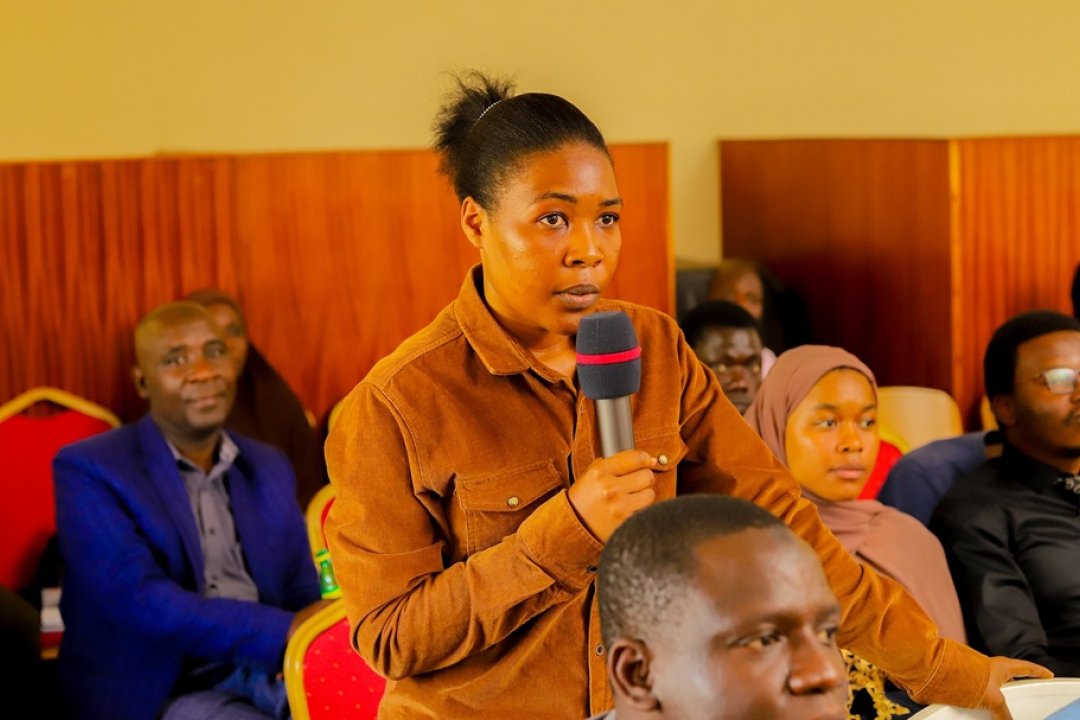
During the Question and Answer session, participants examined the relationship between intelligent design, evolution, science and faith. In response, Dr. Nerima emphasized that scientific inquiry is grounded in evidence and cannot use faith as a scientific method for establishing the identity of an intelligent agent.
“As scientists, we cannot talk about faith. That is why we are presenting in the capacity of scientists,” she said, explaining that questions extending beyond empirical investigation may also be addressed through disciplines such as theology and philosophy.
Dr. Isanga similarly cautioned against extending scientific conclusions beyond available evidence, noting that scientific inquiry has boundaries and that broader questions of spirituality, faith and meaning may require engagement from other fields.
The discussion also turned towards the future of BioCosmos Uganda’s engagement with universities. The representatives said they intend to move beyond one-off events by developing local champions and regional coordinators among students and academic staff, while encouraging participants to take advantage of self-paced courses and research opportunities.
They also expressed interest in extending future activities across Western Uganda, including possible engagements in Mbarara and Kabale, while building a stronger pool of African facilitators and researchers. Emphasizing the organization’s practical approach to research, Dr. Nerima said, “We are hands-on. We are not theoretical.”
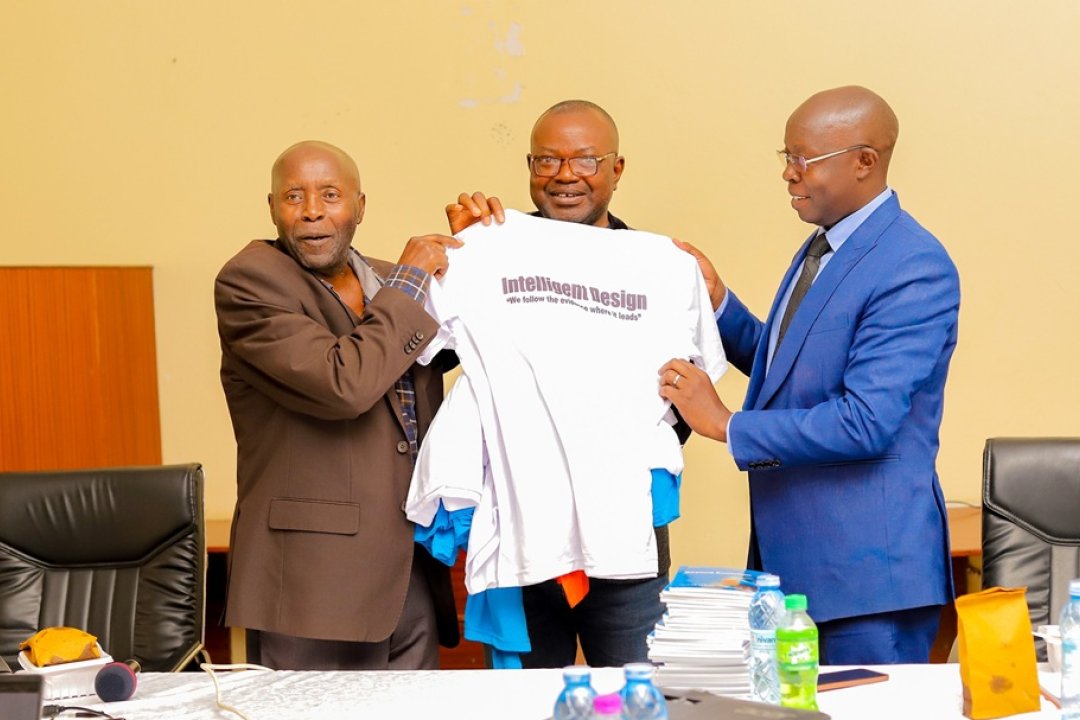
As part of the engagement, BioCosmos Uganda presented books and T-shirts to the university and noted that additional learning materials would be made available to support continued exploration of the subject.
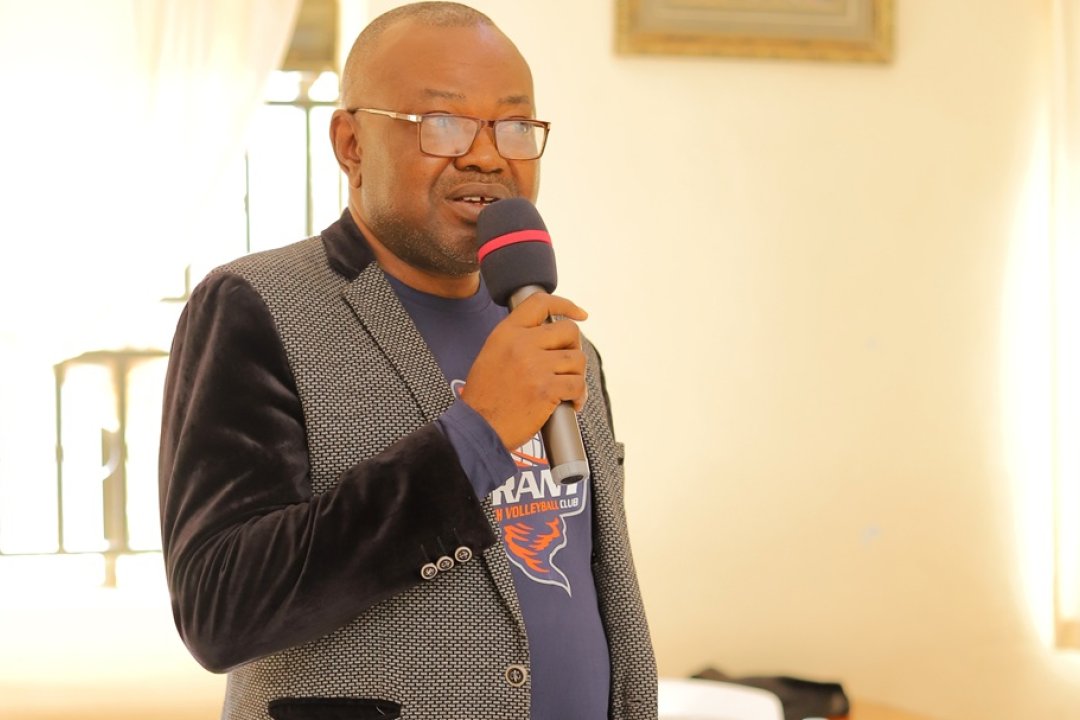
In his closing remarks, Director of RICE, Prof. Patrick Aja Maduabuchi, thanked the DVC, guest speakers and participants for the successful engagement, observing that participants had gained new knowledge. “We believe that knowledge is power,” he said, encouraging interested students to register for participation in the planned BioCosmos student wing.
The dialogue provided KIU students and scholars with a platform to examine differing perspectives on origins, biological complexity, evolutionary theory and scientific methodology, while emphasizing Africa’s capacity to participate in the production and interrogation of scientific knowledge.