KIU Hosts Waste-to-Wealth Lecture at Western Campus, Signs MoU with Shriram Agro Industries
- Nakanwagi Annet
- /
- August 03, 2026
- 380
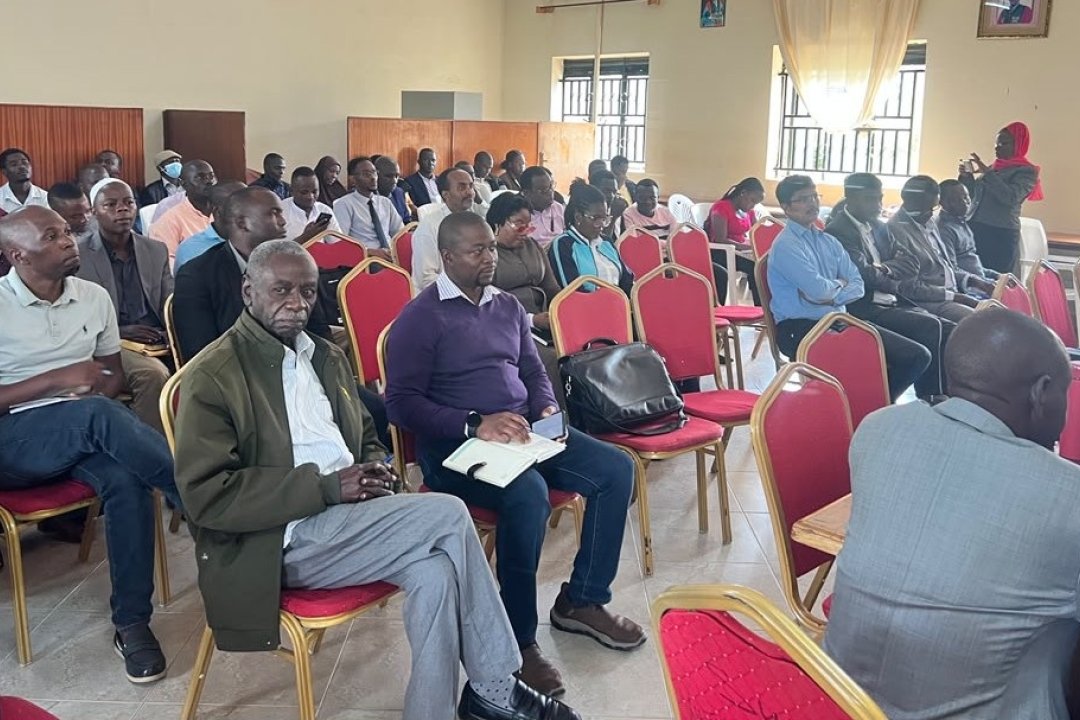
KIU, Western Campus — Kampala International University, Western Campus (KIU‑WC) on Monday, August 3rd, 2026 hosted a guest lecture on waste‑to‑wealth innovations, engaging students and staff in exploring sustainable approaches to waste management, soil restoration, and food security, before signing a Memorandum of Understanding (MoU) with India’s Shriram Agro Industries to strengthen research, innovation, and capacity building.
The lecture, organized by the Directorate of Higher Degrees and Research (DHDR) in collaboration with the Directorate of Research, Innovation, Consultancy and Extension (DRICE), followed the successful delivery of the same lecture at KIU Main Campus on Friday, July 31st, 2026. The programme was spearheaded by Prof. Dominic Byarugaba, Director of DHDR, KIU‑WC, whose efforts culminated in both the knowledge-sharing session and the partnership with Shriram Agro Industries, represented by its Founder and Chief Executive Officer, Dr. Rahul Prataprao Padwal.
Prof. Patrick Aja Maduabuchi, Director of RICE, welcomed participants by highlighting the lecture as a timely chance for the University community to gain practical knowledge that can transform agriculture through sustainable waste management. He stressed that agriculture, supported by technology, is the backbone of every economy, and urged participants to engage actively with the guest lecturer to learn how households, institutions, and farmers can turn domestic and agricultural waste into organic fertilizers that improve soil health and boost productivity.

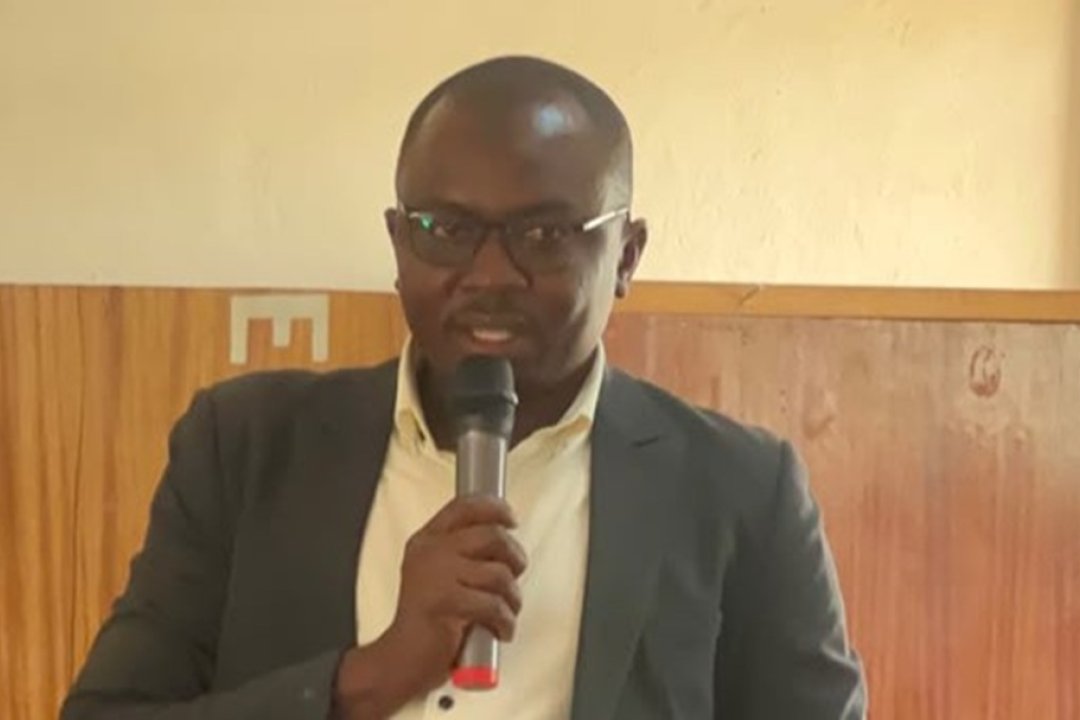
Officially opening the lecture on behalf of the Deputy Vice Chancellor (DVC), KIU-WC, Assoc. Prof. Eric Mabonga, the Assistant DVC for Academics and Research, Dr. Ibrahim Abubakar Babangida, welcomed Dr. Padwal and commended his willingness to share practical expertise with the KIU community. “I am sure we are going to learn a lot from you, and we are going to have a very good interactive session,” he said.
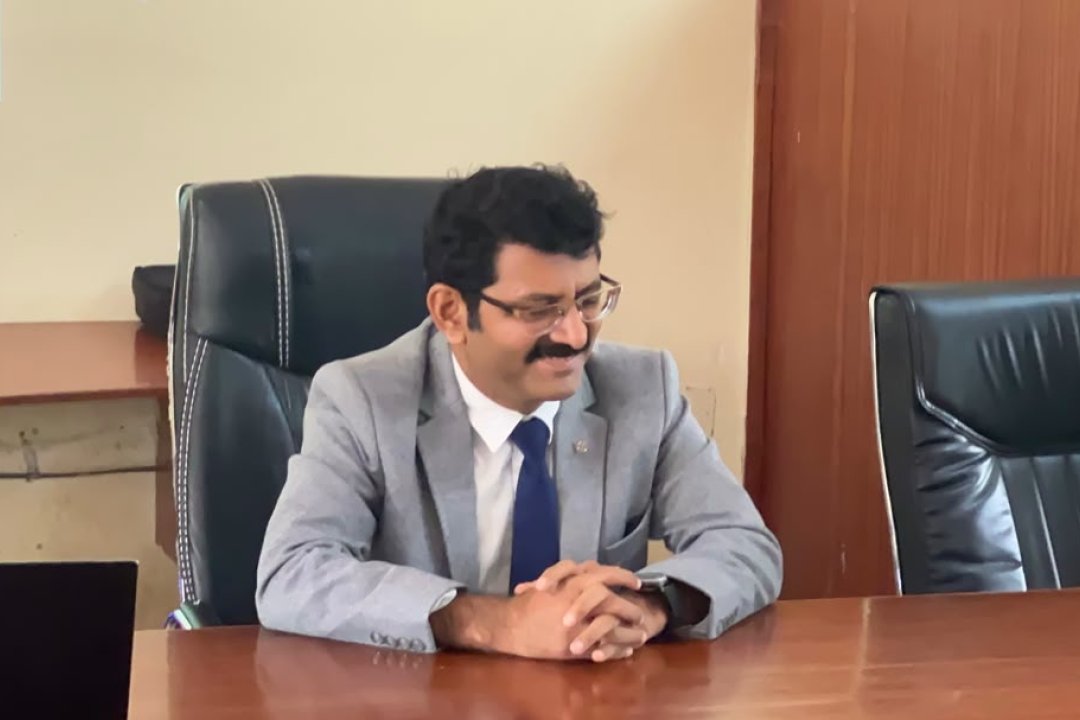
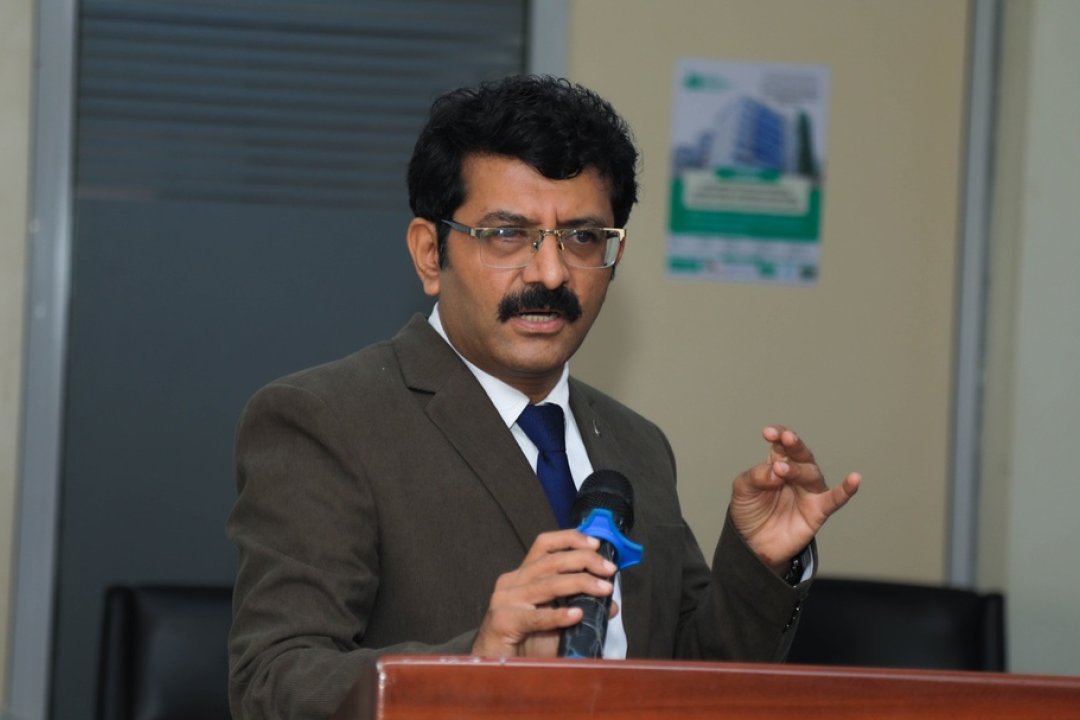
Drawing on more than 23 years of experience in sustainable agriculture and waste management, Dr. Padwal challenged conventional perceptions of waste, arguing that it should be regarded as a valuable resource rather than a disposal problem. “Waste is not waste, and waste is not a disposal problem until we waste it,” he said.
Throughout the lecture, Dr. Padwal demonstrated how organic waste from households, farms and industries can be scientifically converted into high-quality organic fertilizers that improve soil health, restore degraded land and contribute to food security. He explained that unlike raw manure, scientifically processed organic fertilizers are free from pathogens and weed seeds, provide balanced nutrients and support environmentally sustainable farming practices.
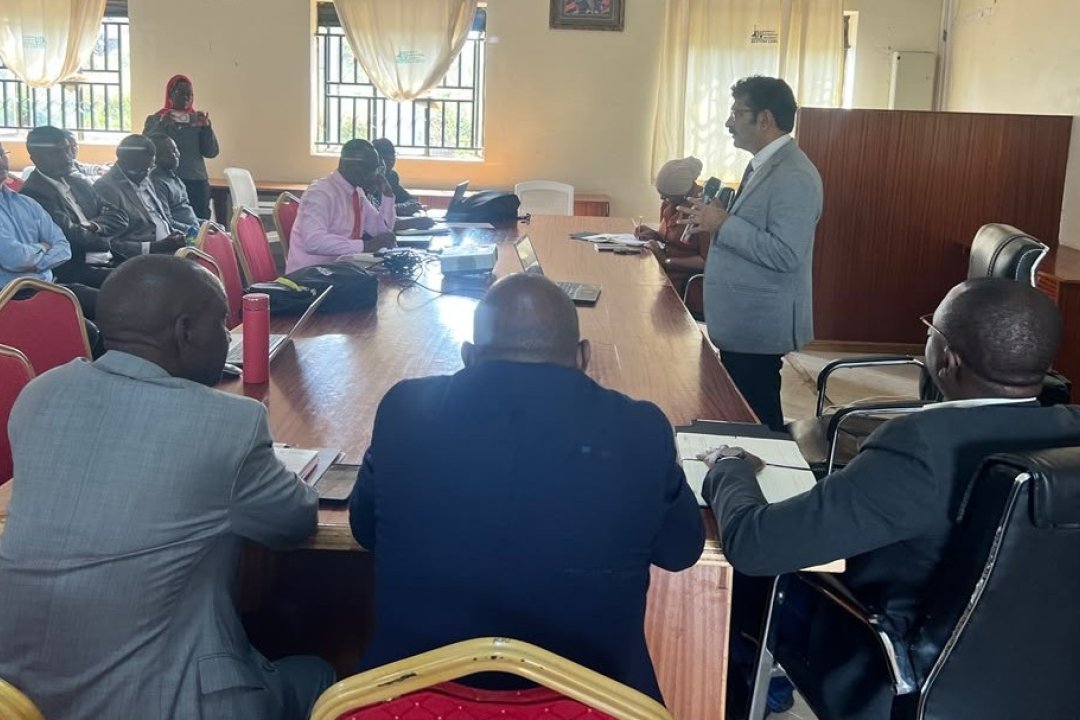
He further guided participants through the key stages of organic fertilizer manufacturing, including raw material characterisation, scientific composting, nutrient enrichment, granulation, quality assurance and digital monitoring using Internet of Things (IoT) technologies and artificial intelligence to optimise production and improve product quality.
Highlighting Uganda’s agricultural potential, Dr. Padwal observed that the country’s abundant biomass from coffee, tea, banana plantations, sugar industries and livestock farming presents enormous opportunities for producing high-quality organic fertilizers locally. “Research and innovation in Uganda and Africa offer tremendous opportunities for developing local organic fertilizer solutions from abundant biomass resources,” he noted.
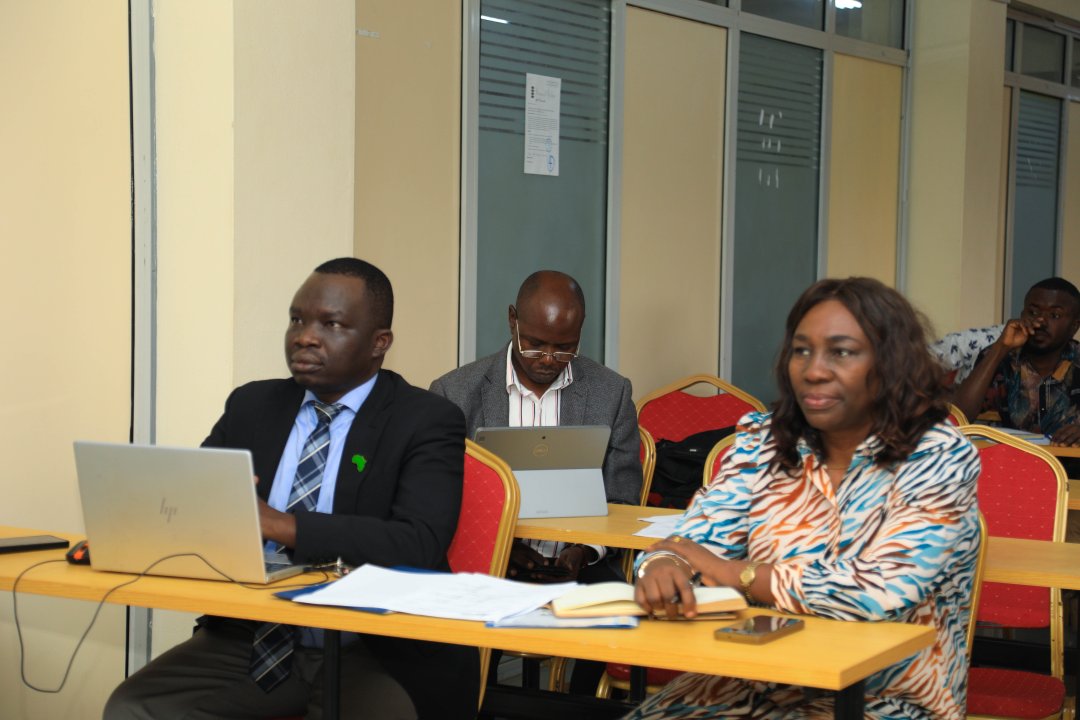
During the interactive question-and-answer session, students and staff engaged the guest lecturer on organic fertilizer technologies, commercial production, quality standards, waste management, digital innovations and collaborative research opportunities. The discussion provided participants with practical insights into emerging trends in sustainable agriculture while highlighting opportunities for future research and innovation.
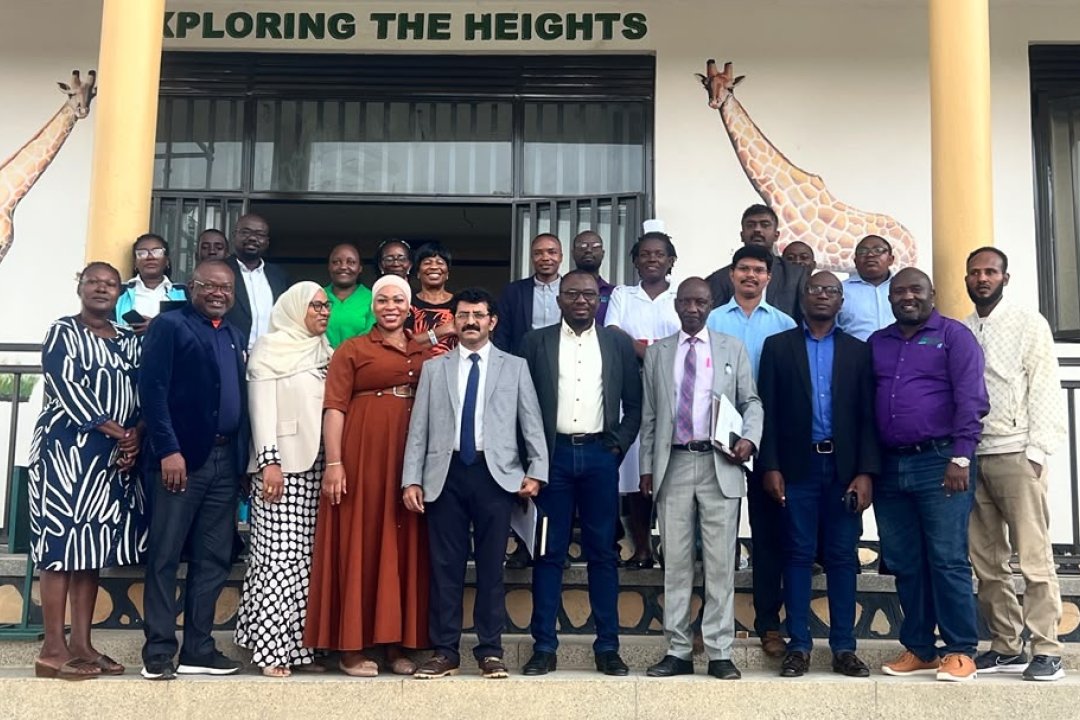
The event concluded with the presentation of a commemorative gift to Dr. Padwal, a group photograph and the signing of an MoU between KIU and Shriram Agro Industries. The partnership is expected to promote joint research, technology transfer, faculty and student exchanges, capacity building and the development of innovative waste-to-wealth solutions that advance sustainable agriculture, environmental stewardship and food security.