KIU Represents Uganda at Russia-Africa Dialogue on Mineral Resources
- Obinna Osigwe
- /
- October 19, 2026
- 141
By Shawn Kimuli
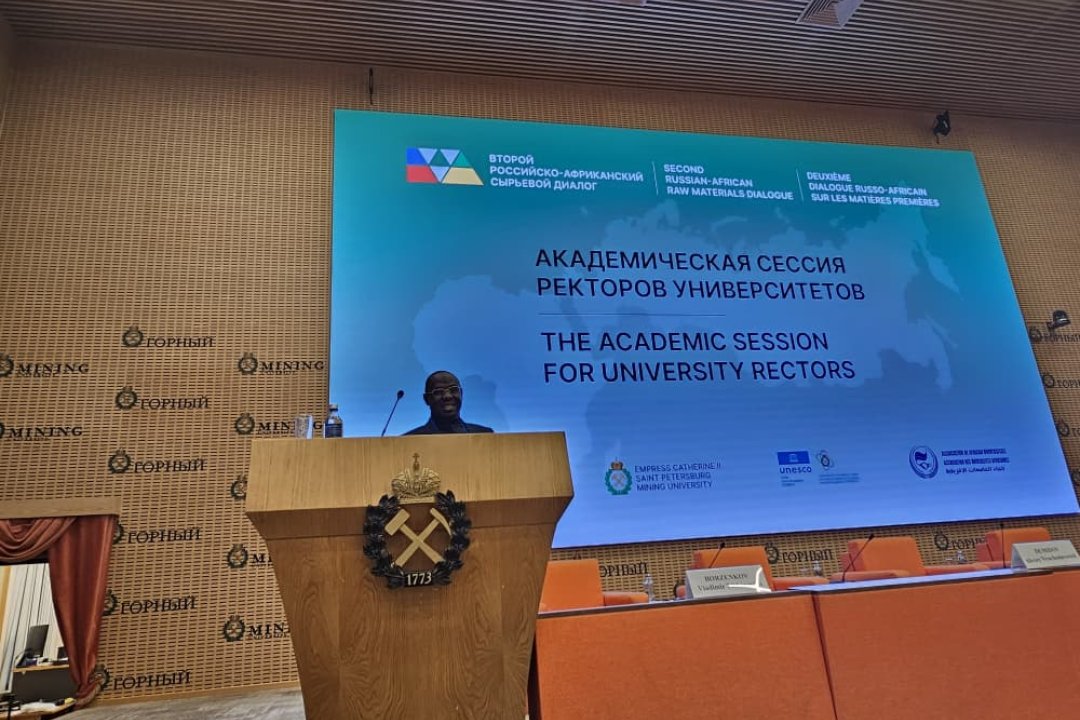
KIU, Main Campus - Kampala International University (KIU), represented Uganda at the Second Russia-Africa Raw Materials Dialogue in St. Petersburg, Russia, where academic and industry leaders discussed how African countries can strengthen engineering education, harness technology, and derive greater economic value from their mineral resources.
The four-day dialogue ran from 12 to 15 October 2026, bringing together participants from Russia and across Africa to examine the links between mineral resources, technological advancement, industrial development, and training of highly qualified professionals. KIU Vice Chancellor Professor Muhammed Ngoma attended the dialogue and its Academic Session for Rectors of Russian and African universities after receiving a formal invitation from the organizing committee.
KIU was the only university from Uganda invited to participate, citing the institution’s strength in science training, particularly engineering. The university’s participation placed it among the academic institutions contributing to a wider conversation about the skills, technologies, and partnerships needed to support Africa’s industrial development.
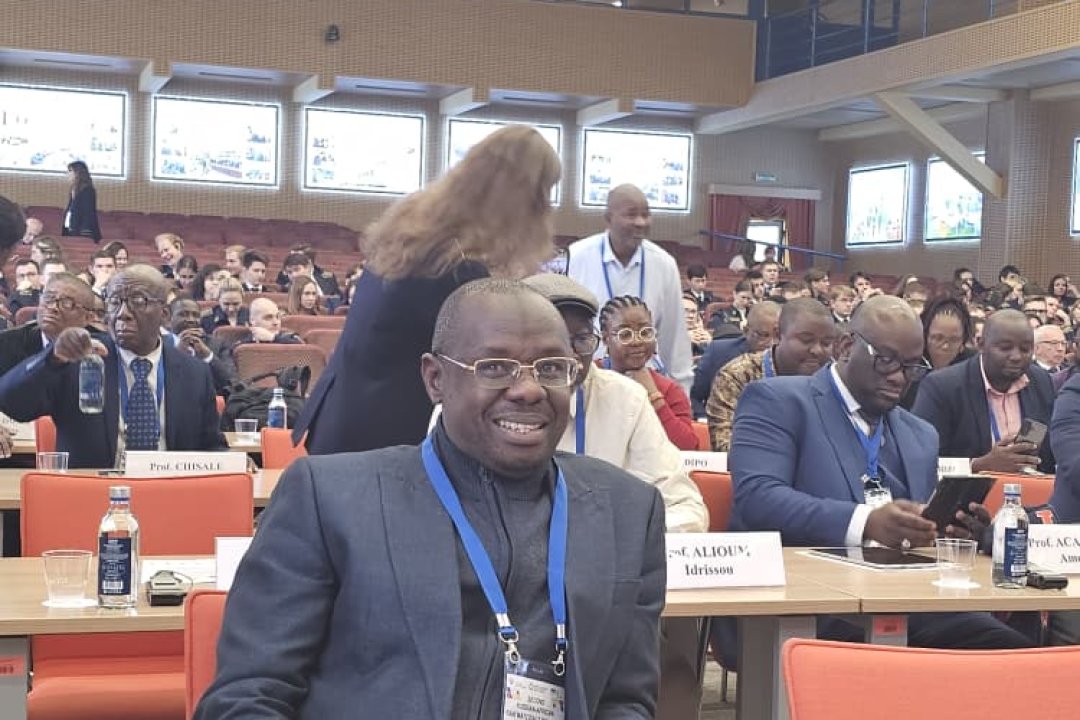
A Dialogue on Africa’s Mineral Wealth
According to Professor Ngoma, the dialogue brought together more than 500 participants from Russia and Africa, representing over 40 African countries and including more than 100 leaders of government bodies and organisations.
“This dialogue brings together over 40 African countries, over 100 leaders of government bodies and organisations, and over 500 participants from Russia and Africa,” Professor Ngoma said.
The event was held with the support of the President of the Russian Federation, Vladimir Putin, and was described by its organizers as a major industry gathering ahead of the Third Russia-Africa Summit, scheduled for 28 and 29 October 2026 in Moscow.
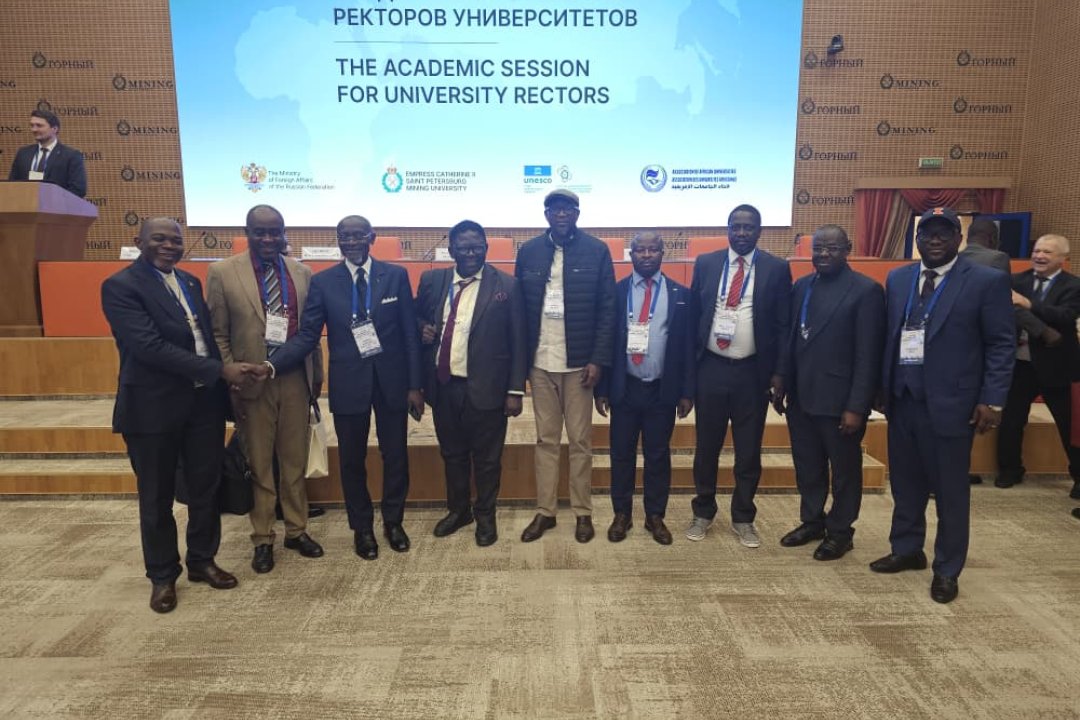
Professor Ngoma says the dialogue aimed to develop mechanisms and recommendations to address existing challenges, improve government regulation, and advance the implementation of technologies while strengthening the training of highly qualified personnel in engineering and the mineral resources sector.
“Basically, the goal of this dialogue is to develop mechanisms and recommendations to overcome existing contradictions and improve government regulation, implementation, and advancement of technologies and training of highly qualified personnel in the area of engineering and mineral resources,” he said.
Adding Value to Africa’s Minerals
A central issue in the deliberations was how African countries could move beyond exporting raw minerals and develop the skills, technologies, and industrial capacity needed to process more resources locally.
Professor Ngoma said the discussion was especially important because Africa holds substantial mineral reserves, yet many countries continue to export minerals without processing them sufficiently to capture greater value within their economies.
“The biggest debate here has been: how do we add value to the mineral resources from Africa?", Professor Ngoma said.
He noted that universities have an important role in training engineers and specialists who could explore mineral deposits, process raw materials and support the development of industries that create greater value from natural resources.
“Universities have been encouraged to go into mineralogy or training of engineers that can explore these minerals and add value to these minerals, mostly in Africa, because in Africa we export minerals that are not processed,” he said.
The discussion placed engineering education at the centre of Africa’s development priorities. Beyond producing graduates with theoretical knowledge, universities face the challenge of equipping students with practical competencies relevant to mineral exploration, processing, industrial production, and resource management.
Learning from Russian Universities
The dialogue also brought together vice-chancellors and Rectors of Universities from leading African and Russian institutions to discuss ways of strengthening, harmonising and improving engineering training.
“This dialogue also brings together academic leaders, such as vice-chancellors and Rectors of Universities from leading institutions in Africa and Russia, to discuss ways of strengthening, harmonizing, and improving the competency-based training of engineers,” Professor Ngoma said.
He said the experience and expertise of Russian universities could offer useful lessons for African institutions seeking to improve the preparation of engineers and professionals who will manage the mineral resources sector.
“How do we ride on the experience and expertise of the Russian universities to improve the way we train engineers in Africa?” he asked.
The question reflects a wider challenge for higher education institutions: ensuring that training programmes respond to changing industrial needs and help countries build the technical capacity required to develop their resources. For KIU, participation created an opportunity to engage with international academic perspectives and consider areas where cooperation could strengthen science and engineering education.
Opening the Way for Academic Cooperation
KIU participated in the main dialogue and the Academic Session for Rectors of Russian and African Universities, which set out steps intended to help institutions identify practical areas for cooperation.
Vice-chancellors' presentations outlined the institutions' expectations and identified three priority areas for partnership with Russian universities. Institutions presented promotional videos based on their areas of expertise. The Association of African Universities Secretariat will review the draft memoranda and share them with UNESCO.
These steps provided a framework for universities to present their strengths and identify potential areas of collaboration. They did not, in themselves, confirm that agreements had been concluded. Any resulting partnerships would depend on follow-up discussions and formal commitments by the institutions involved.
What the Deliberations Mean for KIU and Uganda
KIU’s participation placed a Ugandan university in an international discussion linking higher education with mineral development, technological advancement, and industrialization. It also offered an opportunity to present the university’s science and engineering strengths to academic leaders and potential partners from other countries.
The themes discussed at the dialogue point to several priorities for African universities and policymakers: strengthening practical engineering education, expanding local mineral processing, building research and training partnerships, and aligning academic programmes with the needs of industry.
For KIU, the value of the engagement will depend on whether the discussions lead to practical opportunities for academic cooperation, stronger training, research initiatives, and knowledge exchange. For Uganda and other African countries, the broader challenge is to develop the expertise and industrial capacity needed to retain more value from their natural resources.
Professor Ngoma’s account of the dialogue returned to a fundamental question for the continent: how can African countries use international expertise to strengthen their own capacity? His remarks connected the future of engineering education to the urgent need to process more of Africa’s minerals locally and build industries around them.
The dialogue concluded after four days of discussion. Its central themes remain relevant to African universities seeking to connect academic training with economic transformation: mineral wealth alone cannot deliver industrial development without skilled professionals, appropriate technologies, and institutions capable of turning knowledge into practical results.