KIU Researchers Urged to Strengthen Data Analysis and Publish in Credible Journals
- Nakanwagi Annet
- /
- September 11, 2026
- 403
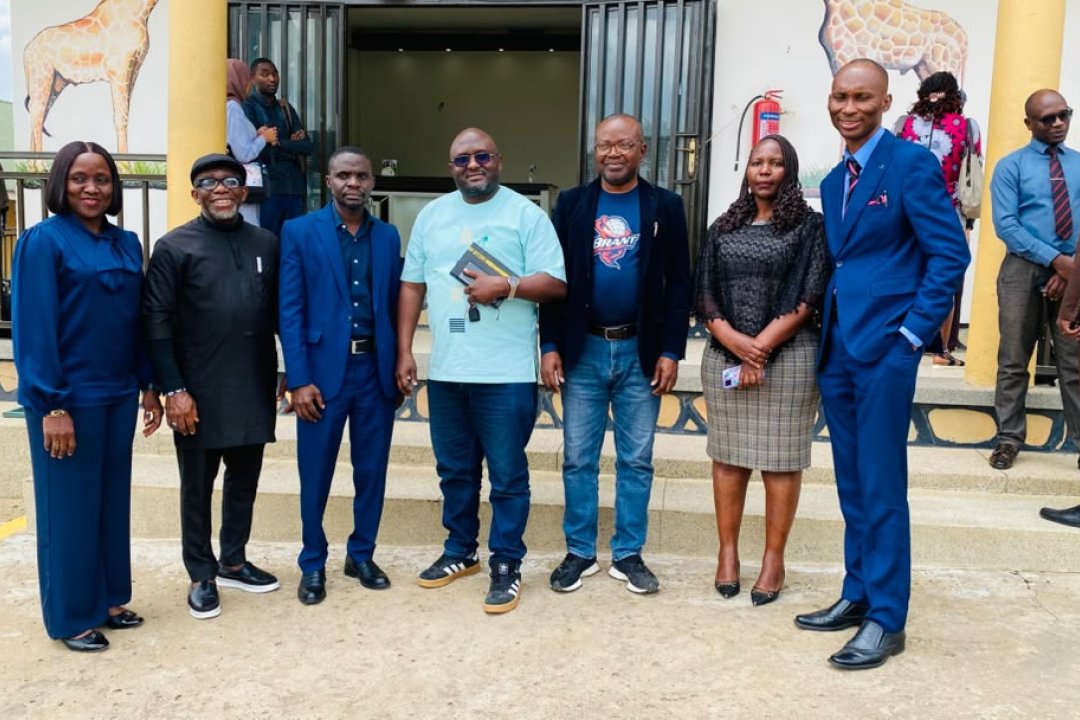
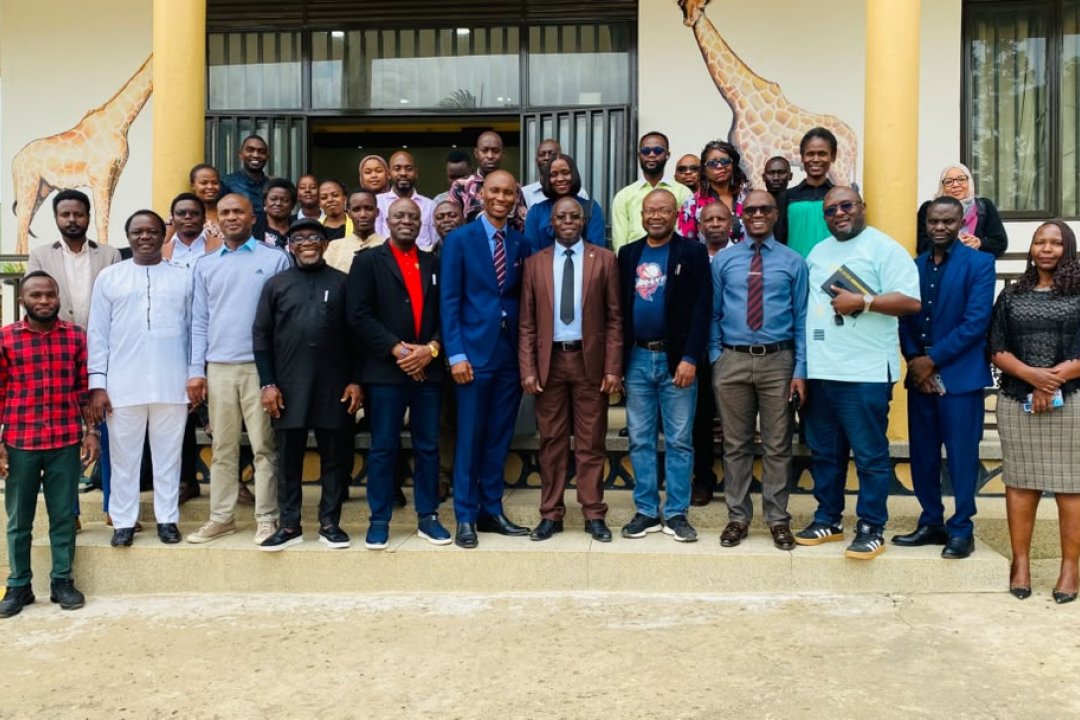
KIU, Western Campus - Kampala International University, Western Campus (KIU-WC), on Friday, September 11th, 2026, hosted a practical workshop bringing together postgraduate students, lecturers, researchers and early-career academics to strengthen their skills in research, data analysis and academic publishing.
Held at the Staff Common Room under the theme “Essential Research Skills for Academic Publishing & Data Analysis,” the workshop was organized by the Directorate of Research, Innovation, Consultancy and Extension (DRICE) and the Directorate of Higher Degrees and Research (DHDR), in collaboration with the Faculty of Biomedical Sciences (FBS).
Moderated by Dr. Archibong Archibong Nsa, Senior Lecturer in the Department of Physiology, the workshop covered plagiarism and Turnitin, access to scholarly resources, statistical data analysis, responsible use of Artificial Intelligence (AI), journal selection, publication ethics, and journal metrics.
Opening the presentations, Dr. Uzezi Idhalama Ogagaoghene, Deputy University Librarian, highlighted the Library’s role as a key resource for research and academic work.
Describing the Library as the “house of research,” Dr. Ogagaoghene encouraged researchers to make effective use of available scholarly resources while maintaining high standards of academic integrity. He cautioned against plagiarism, fabricated references and other forms of academic misconduct, stressing the importance of understanding similarity reports rather than merely seeking to reduce similarity percentages.
His presentation provided practical guidance on Turnitin, including account activation, creating assignments, submitting papers and interpreting originality reports. He also warned researchers about Turnitin’s repository settings when testing manuscripts, sharing his own experience of having a paper stored and subsequently matching itself when resubmitted.
He encouraged researchers to check their work for similarity throughout the writing process and introduced participants to the University’s digital research resources, including My Loft (My Library on Finger Tips) and the Institutional Repository (iHub). On AI, Dr. Ogagaoghene urged researchers to use the technology responsibly while retaining ownership and understanding of their academic work.
Building on the discussion of responsible research practice, Dr. Wusa Makena, Lecturer, Department of Anatomy, shifted the focus to data analysis and statistical decision-making.
Dr. Makena emphasized that researchers must understand their data before selecting statistical methods or software. He explained that the appropriate analytical approach depends on the research design, type of data, variables, sample characteristics and research questions.
“AI is a tool, not a substitute for human understanding,” Dr. Makena emphasized, noting that although AI can accelerate data processing, researchers must understand the underlying methods, assumptions and interpretation of their findings.
He covered quantitative and qualitative approaches, data coding and cleaning, management of missing values and identification of outliers. He further stressed that researchers should plan how their data will be analyzed before collecting it, ensuring that research questions and variables are appropriately designed.
Participants were introduced to several statistical tools, including SPSS, Jamovi, R, Python, Stata, SAS, Excel, MATLAB, Atlas.ti, MedCalc, Origin, GraphPad Prism, Tableau and Power BI, alongside techniques such as t-tests, ANOVA, correlation, regression, repeated-measures analysis, MANOVA and Principal Component Analysis (PCA).
Dr. Makena concluded that knowing how to use statistical software is not the same as understanding data analysis, and that sound analysis begins with a well-designed study and a clear understanding of the data.
Moving from the technical aspects of data analysis to the broader journey from research to publication, Prof. Patrick Aja Maduabuchi, Director, RICE, addressed research mentorship, responsible AI use and strategies for academic publishing.
Prof. Maduabuchi challenged lecturers and supervisors to develop practical research skills so they can effectively mentor postgraduate students.
“You cannot give out what you do not have,” he said, emphasizing the importance of lecturers and supervisors possessing the skills they expect students to develop.
He also encouraged researchers to approach AI critically, particularly when using it to generate academic content and references. He shared an example of a student’s references that appeared credible but could not be verified through DOI searches, highlighting the need to independently check every citation.
A major focus of his presentation was journal selection. He encouraged researchers to consider manuscript–journal fit, scope, intended audience, article type, indexing status, publication costs, waiver opportunities and review processes before submitting their work.
Prof. Maduabuchi introduced participants to journal metrics such as Scimago Journal Rank (SJR), SNIP, CiteScore, CiteScore percentile and Journal Impact Factor (JIF), while stressing the importance of verifying a journal’s current indexing status.
He also warned researchers about predatory journals, highlighting red flags including false indexing claims, unclear editorial structures, unusually rapid peer-review promises, hidden charges and questionable editorial affiliations. He urged researchers to independently verify journal information rather than relying solely on claims made by publishers and to recognize that indexing status can change over time.
The presentation also covered publication costs and open-access models, including the importance of checking eligibility for legitimate publication-fee waivers. Prof. Maduabuchi encouraged participants to make research, publication and continuous skills development a sustained academic practice, noting that quality scholarly work can contribute to long-term academic and professional opportunities.
Bringing the day’s discussions to a close, Prof. Godson Anyanwu Emeka, Dean, FBS, appreciated the facilitators, participants, deans, heads of departments and staff for their commitment to the training.
He noted that the participation demonstrated a strong desire among researchers and postgraduate students to acquire new knowledge and strengthen their capabilities. He also encouraged academics to recognize and share expertise across different levels and disciplines.
Prof. Emeka emphasized the responsibility of academic leaders to develop researchers who can eventually surpass their mentors.
“If we do not build you to be better than us, we have failed,” he said.
He urged participants to take the knowledge gained back to their respective schools and departments, share it with colleagues and contribute to building stronger research capacity across the University.
The workshop concluded with an emphasis on sound research design, responsible use of AI, proper data analysis, academic integrity and publication in credible journals, providing participants with practical guidance for strengthening their research practice and scholarly output.