KIU Students Urged to Plan for a Secure Financial Future at Financial Literacy Symposium
- Agnes Kiconco
- /
- September 18, 2026
- 354
By Hattie Wright
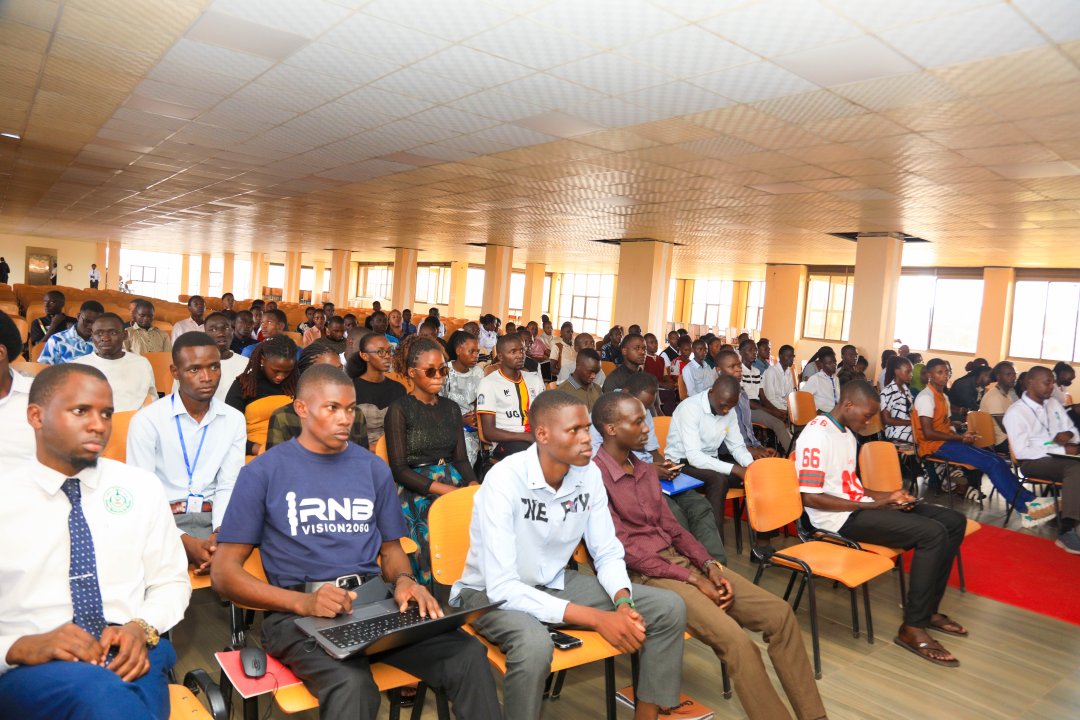
KIU, Main Campus - On Friday, September 18th 2026, Kampala International University (KIU) in collaboration with the 22nd Guild Government hosted a Financial Literacy Symposium, bringing together financial experts from Bank of Uganda, Absa Bank Uganda, and other industry professionals.
The symposium aimed to empower students with the knowledge and skills needed to make informed financial decisions, develop healthy saving habits, and prepare for long-term economic independence.
Held under the theme, “Empowering Youth for Financial Independence and Economic Growth,” the workshop attracted students from various academic programmes eager to learn practical approaches to saving, investing, insurance, and retirement planning.
The event moderator, Ronald Mayanja, a Financial Literacy Trainer at Bank of Uganda, welcomed participants and emphasised the importance of financial knowledge among young people. He noted that understanding how to manage money effectively is essential for achieving personal and professional success.
Speaking during the symposium, Fenella Wamala Kimera, Global Markets Sales Dealer at Absa Bank Uganda, guided students on how to develop an effective savings plan. 
She explained that individuals should first identify their financial obligations and savings targets, assess their income and expenditure, identify areas where spending can be reduced, seek alternative income sources, and consistently track their progress.
“You do not need a lot of money to save because every penny counts. Invest in yourself and pay yourself first. When choosing where to save, consider the safety of your money and the interest you earn,” she advised.
Students also shared reflections on the importance of financial discipline. Samuel Egolet Okalebo, an Aviation Management student, stressed the need to cultivate a saving culture even before securing employment.
“We are here to learn how to manage our finances. We must have goals, spend less, save more, and choose places where our money can grow,” he said.
Josephine Magoba Makuyi, a Finance and Grants Management Professional, highlighted practical saving tips, encouraging participants to set clear savings goals, distinguish between needs and wants, track income and expenses, and maintain responsible spending habits by adhering to budgets and taking advantage of off-season purchases.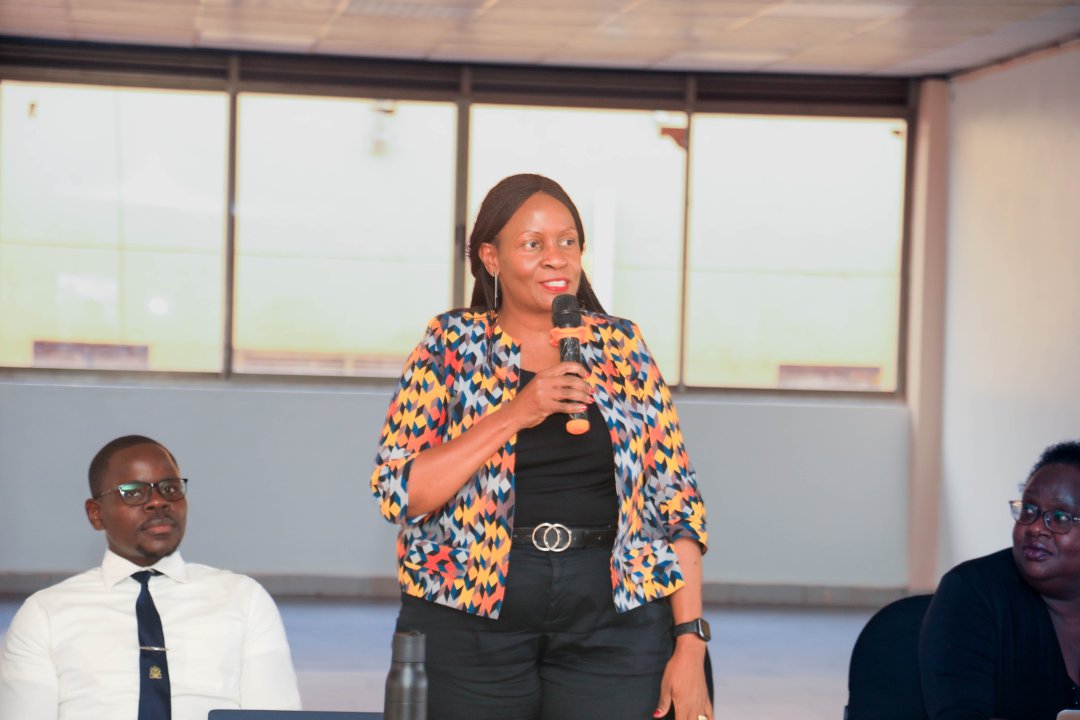
On the topic of investment, Samuel Musobozi, CEO Of Protekt Capital Services Ltd encouraged students to start early regardless of age or financial status. He pointed out that the knowledge acquired at university is itself a form of capital and urged students to identify challenges within their communities that can be transformed into business opportunities.
He further advised students to understand capital markets, explore investment options such as treasury bills, and continuously develop essential skills including negotiation, marketing, and relationship management.
The discussion also covered the importance of insurance. Harriet Oyulu Ekude, Team Leader at DH Management Consultants, highlighted various forms of insurance, including life, health, disability, vehicle, home, and natural calamity insurance. 
She explained that insurance plays a crucial role in protecting individuals and families from unforeseen financial challenges. “We want to unlock people’s minds and help them understand why saving and insurance are important in preparing for unexpected situations,” Ekude added.
Addressing retirement planning, Mariam Nakimwero, Head of Regulatory Risk Monitoring and Compliance at Bank of Uganda, advised students not to make financial decisions under pressure and emphasised the need to prepare for retirement early in life.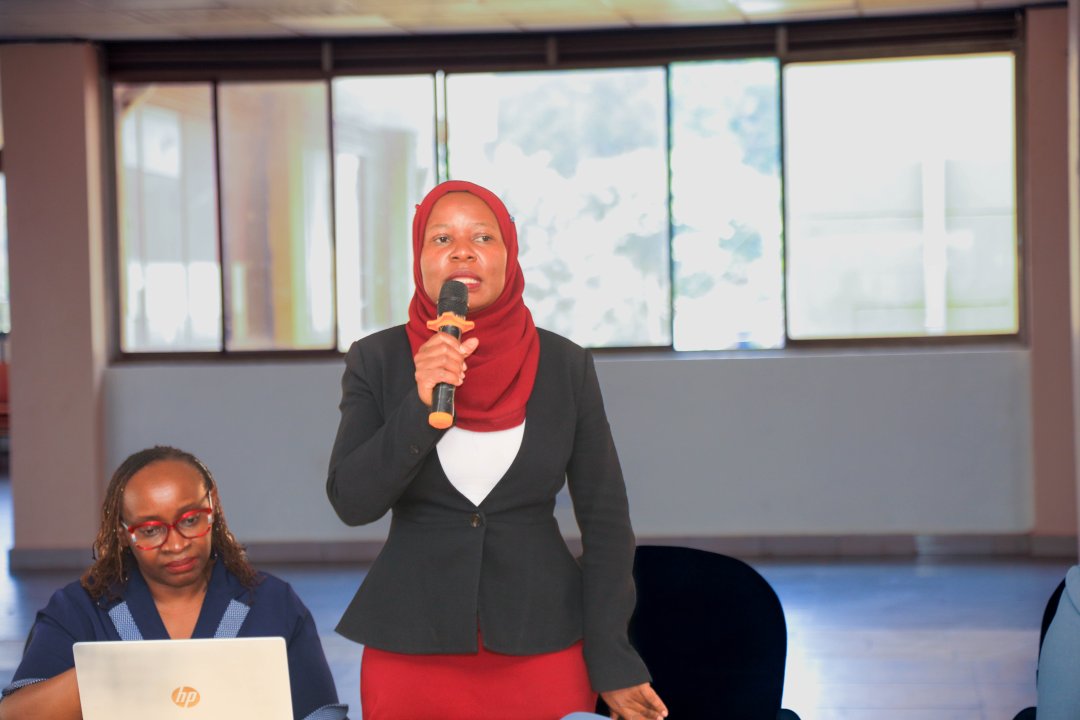
She noted that effective retirement planning enables individuals to remain financially independent and avoid becoming a burden to their families in old age.
Other speakers, including Yusuf Masembe, a content creator, James Oceen Okwii, Financial Literacy Trainer and Suzan Claire Nagawa, a life coach and financial literacy trainer, also encouraged students to embrace saving and responsible financial management as pathways to long-term financial security.
The symposium concluded with an interactive question-and-answer session, during which students engaged with the experts on issues related to budgeting, saving, investment opportunities, and financial planning.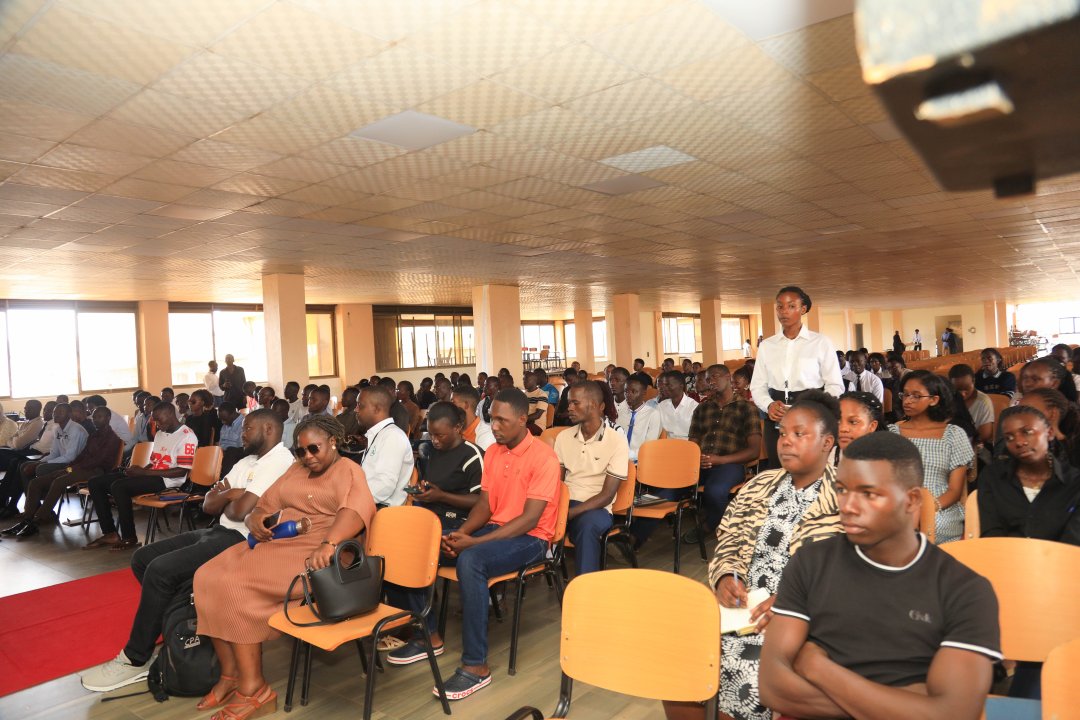
Conclusion
The Financial Literacy Symposium successfully equipped KIU students with practical knowledge on saving, investing, insurance, and retirement planning. Through insights shared by industry experts, participants were encouraged to adopt sound financial habits, make informed economic decisions, and take proactive steps towards achieving financial independence and contributing to economic growth.