Prof. Regina Ejemot-Nwadiaro Secures Landmark TIKA Grant to Transform KIU Research and Laboratory Infrastructure
- Agnes Kiconco
- /
- April 24, 2026
- 639

KIU Main Campus - Kampala International University (KIU) has achieved a major institutional breakthrough as Prof. Regina Ejemot-Nwadiaro, Deputy Vice Chancellor for Research, Innovation, Consultancy, and Extension (RICE), successfully secures a strategic infrastructural grant from the Government of the Republic of Türkiye through the Turkish Cooperation and Coordination Agency (TİKA).
This high-impact intervention is focused on the enhancement and equipping of KIU’s laboratory infrastructure, marking a transformative step in strengthening the University’s capacity for cutting-edge research, innovation, and advanced scientific training.
The achievement follows high-level strategic engagement initiated and led by Prof. Ejemot-Nwadiaro in June 2025, during which she presented a suite of five carefully developed proposals to TİKA. Of these, the proposal on the expansion of Research Capacity at the KIU Institute of Biomedical Research (IBR) and equipping of KIU laboratories was approved, affirming the strength, relevance, and global competitiveness of KIU’s research vision.
This flagship project is designed to upgrade laboratory infrastructure, expand biomedical research capabilities, and deepen international collaboration, while also creating opportunities for staff and student exchange. It will significantly advance research that is both locally responsive and globally competitive, particularly in addressing pressing health and development challenges.
Describing the milestone, Prof. Ejemot-Nwadiaro noted:
“This represents a defining advancement in KIU’s strategic journey to strengthen its research and innovation ecosystem. It reflects growing international confidence in our institutional vision and our capacity to deliver impactful, high-quality science that responds to real-world challenges.”
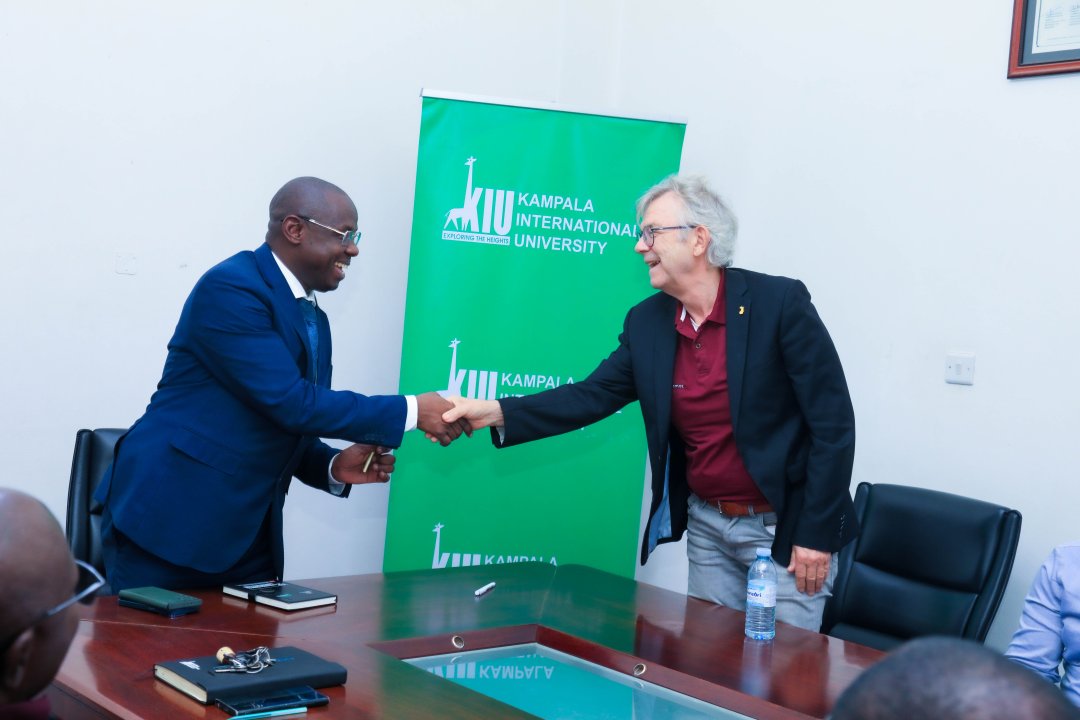
In furtherance of this partnership, Mr. Murat Çetin, Country Director of Turkish Cooperation and Coordination Agency (TİKA), led a delegation to KIU Main Campus on Wednesday, 22nd April, 2026 to assess laboratory facilities and guide the effective planning and execution of the support. This marks the beginning of a structured implementation phase, with additional high-level engagements expected.
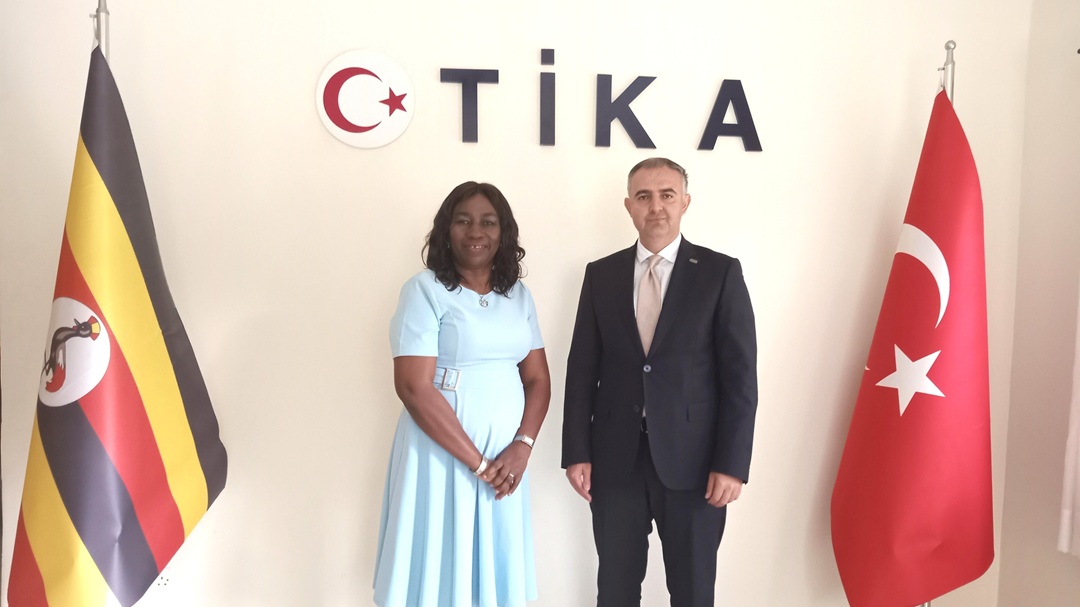
Prof. Ejemot-Nwadiaro expressed deep appreciation to the Government of Türkiye through TİKA and acknowledged the enabling support of KIU Management:
“We are deeply grateful to the Government of Türkiye through TİKA for this strategic investment. I also appreciate KIU Management for their support, and I look forward to our collective effort in ensuring the successful delivery of this transformative intervention.”
Strategic Impact and Institutional Significance
This milestone significantly elevates KIU’s positioning as a regional hub for research excellence, innovation, and advanced training, with far-reaching implications:
- Strengthening Research and Innovation Capacity:
The upgraded laboratories will enhance KIU’s ability to conduct high-impact, interdisciplinary research and attract international collaborations and funding. - Advancing Science and Competence-Based Education:
The investment directly supports KIU’s commitment to science-driven education and aligns with Uganda’s national priorities in competence-based learning, health sciences, and technological advancement. - Enhancing Community and Health Impact:
By expanding biomedical research capabilities, KIU is better positioned to generate solutions to local health challenges, improve healthcare delivery, and contribute to national development outcomes. KIU hosts Uganda’s largest private teaching hospital at its Western Campus in Ishaka‑Bushenyi, Western Uganda. - Leveraging Strategic Global Partnerships:
The collaboration reflects a shared vision between KIU and TİKA in advancing education, research, innovation, and sustainable development through international cooperation.
With this landmark achievement, KIU reinforces its trajectory as a forward-looking, globally connected institution, where research, innovation, and impact converge to shape the future.