School of Public Health Lecture Calls for Safer Learning Spaces
- Agnes Kiconco
- /
- September 24, 2026
- 263

By Hattie Wright
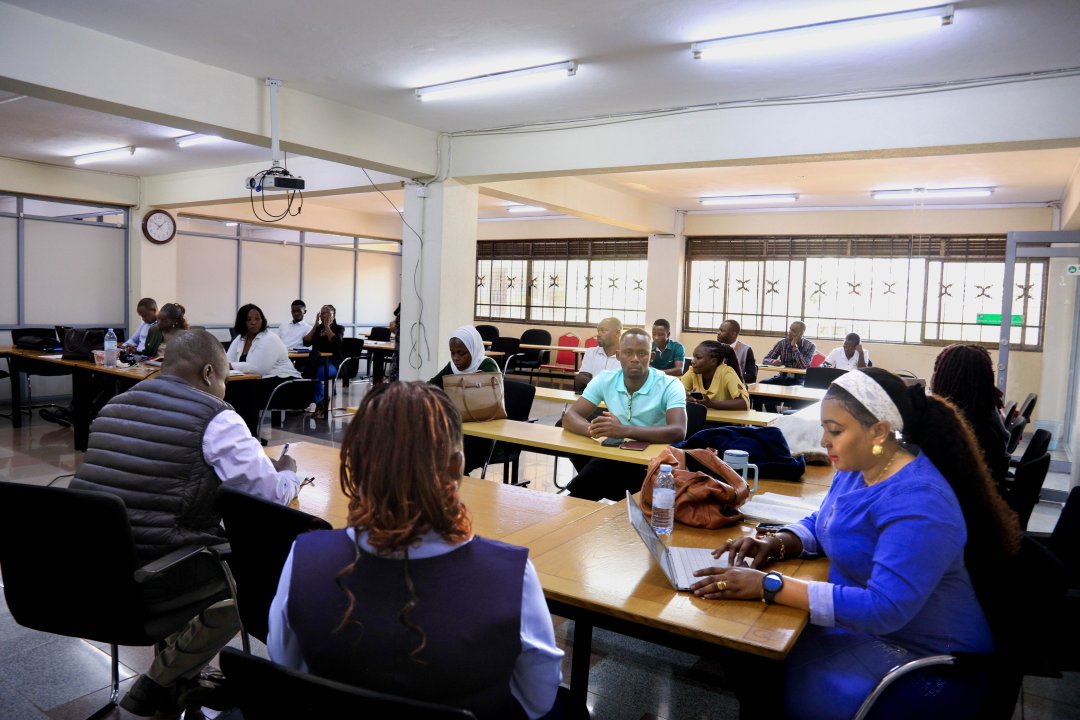
KIU, Main Campus – The School of Public Health, in collaboration with the Kampala International University (KIU) Public Health Society, held a public lecture on student protection and wellbeing on Wednesday, 23rd September 2026, at the 6th Floor, IBM Library, KIU Main Campus.
Held under the theme, "Student Protection and Wellbeing as a Foundation for Quality Education," the lecture aimed at promoting safer, respectful, and supportive learning environments for all students.
Chairing the session, Dr. Nicholas Ngomi, Associate Dean of the School of Public Health, welcomed participants and emphasised the important role of staff in safeguarding students and ensuring their wellbeing throughout their academic journey.
In her goodwill remarks, Prof. Regina Ejemot-Nwadiaro, Deputy Vice Chancellor for Research, Innovation, Consultancy and Extension, emphasised that the theme speaks directly to the heart of a university's responsibility.
She noted that quality education cannot be measured solely by curricula, examinations, research outputs, or graduation rates, but must also be reflected in whether students feel safe, respected, supported, included, and empowered to realise their full potential.
From the perspective of research, Prof. Ejemot-Nwadiaro said student protection and wellbeing should be evidence-informed and preventive rather than merely reactive. She noted that research and institutional learning should be used to understand emerging risks, strengthen safeguarding systems, and promote mental and social wellbeing, so that every student can learn and thrive.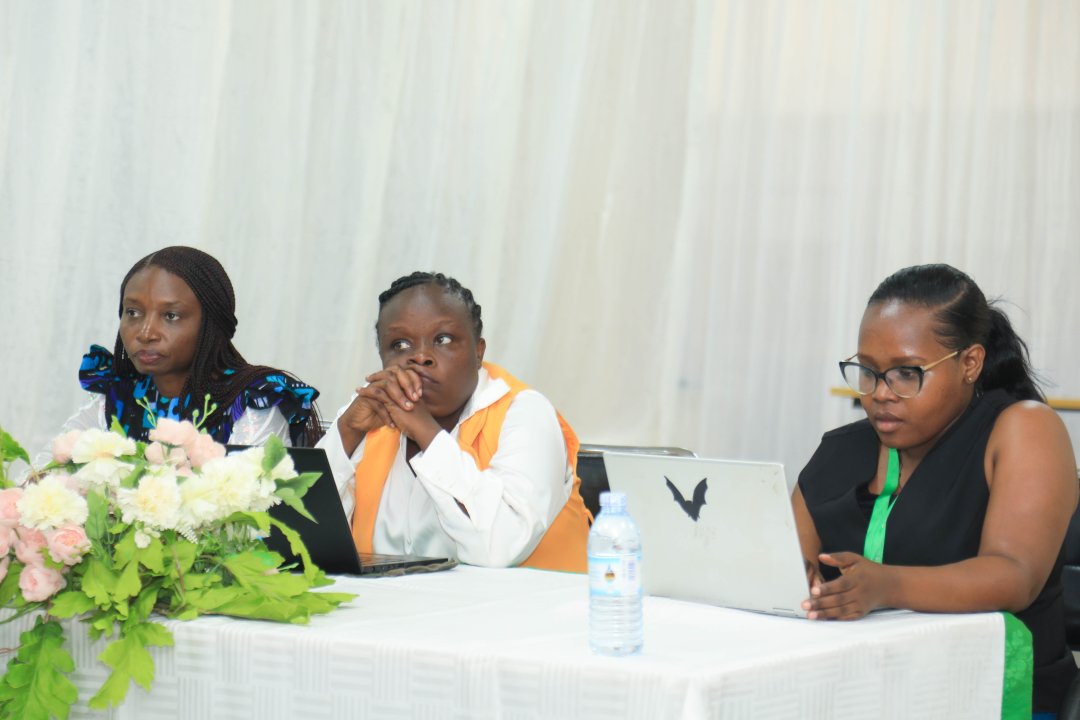
She encouraged students to engage actively in the discussion and to know and responsibly use the institutional mechanisms available for seeking support and reporting concerns. She also encouraged them to develop research ideas that address societal challenges, assuring them of the university's support, and to mentor younger generations by sharing life skills and experiences.
Prof. Ejemot-Nwadiaro reminded staff and leaders that they carry a duty to listen, respond appropriately, protect confidentiality, and foster a culture in which student welfare is everyone's responsibility. She commended the School of Public Health for convening the conversation and appreciated the guest speaker for sharing his expertise with the KIU community.
Christine Ainebyoona, Campus Administrator and Deputy University Secretary (main Campus), reaffirmed the university's commitment to creating a safe and inclusive environment for all learners. She highlighted the importance of fostering a culture of respect, accountability, and mutual support across the university community.
Ainebyoona encouraged students to utilise the available support systems and report any concerns that may affect their wellbeing, noting that student protection is a shared responsibility that contributes significantly to academic success and personal growth.
The Guest Speaker, Henry Owora, Executive Director of the Internal Risk Management Group, stressed the importance of including vulnerable individuals in institutional activities as a means of enhancing protection and wellbeing.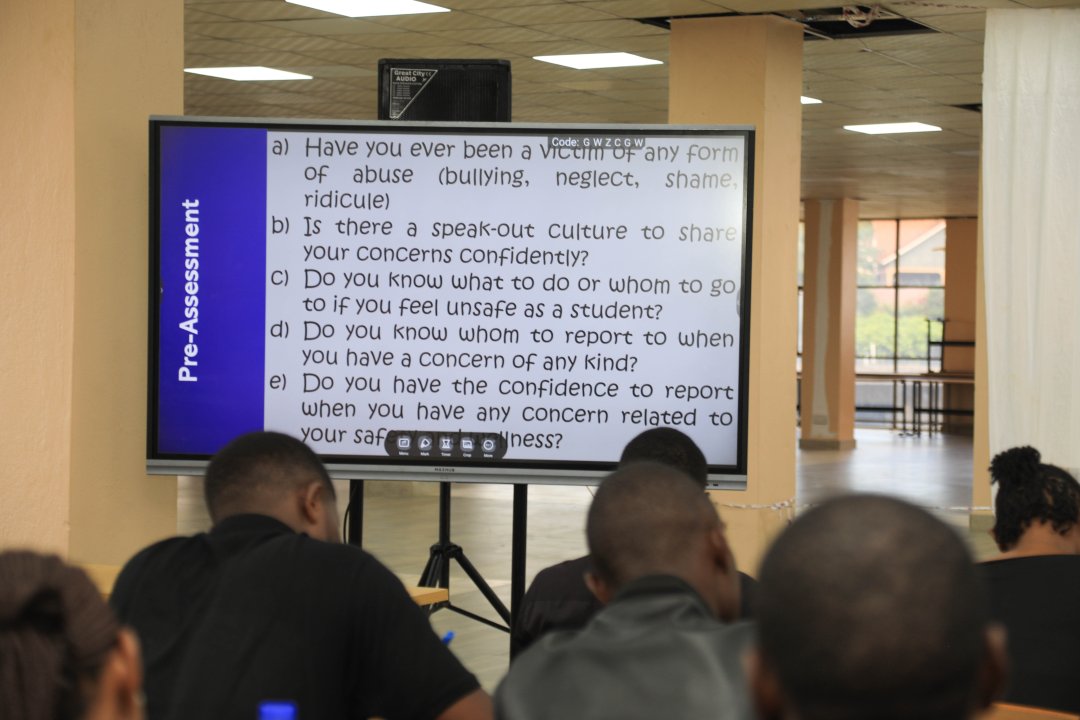
Owora highlighted key mental health challenges affecting students, including fear of failure, emotional abuse, anxiety, and depression. He observed that many violations occur within institutions of learning because young people are particularly vulnerable, adding that universities have a responsibility to prepare students not only for academic success but also for the realities of the workplace.
Explaining the concept of wellbeing, Owora described it as a state of balance in life characterised by good health, contentment, and resilience. He further noted that stress can affect individuals from an early age, distinguishing between short-term stress triggered by immediate demands and long-term stress resulting from unmanaged occupational or personal pressures.
The lecture also featured a presentation by Shantal Katana, Lead for Gen Z Engagement and Innovation at Reach a Hand Africa. She shared insights on the Peer Education Academy, an initiative designed to equip young people both in and out of school with essential life skills, leadership abilities, and peer-support competencies.
The event provided a platform for meaningful discussions on student safety, mental health, inclusion, and the collective responsibility of fostering wellbeing within educational institutions.
Prof. Ejemot-Nwadiaro expressed hope that the lecture would move the university community beyond awareness to practical action, strengthening prevention, protection, early support, and accountability, so that every student can flourish academically and personally.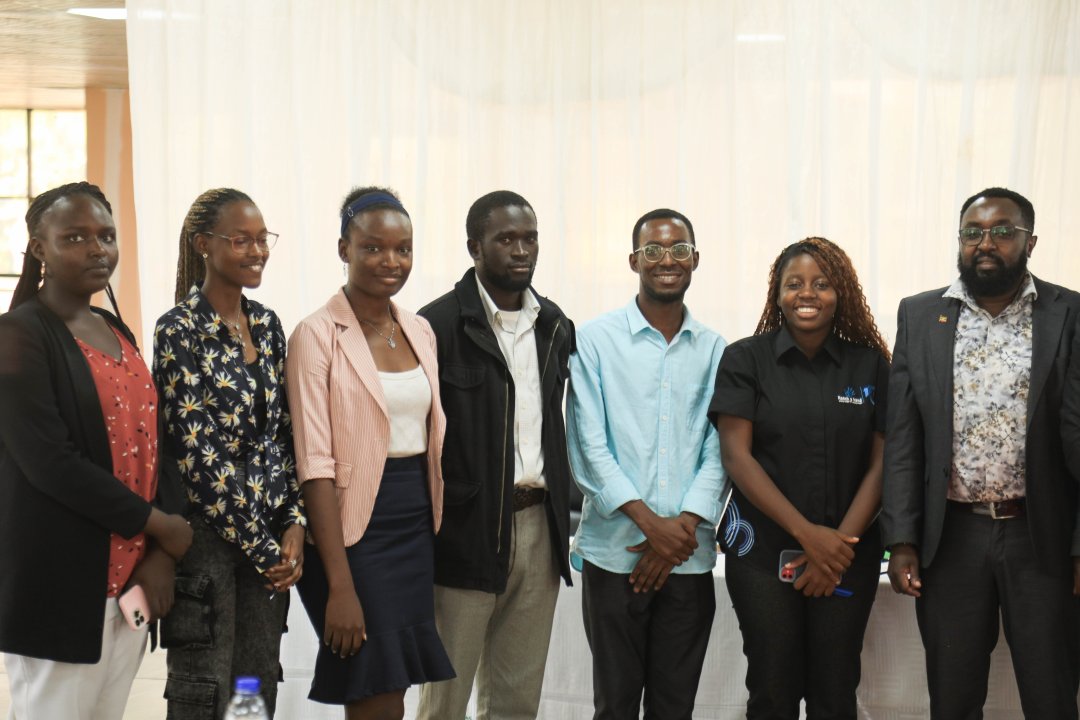
Participants were encouraged to champion positive practices that contribute to a secure and supportive university environment.