When Stress Gets Under the Skin: KIU Lecture Unpacks the Biology of Social Experiences
- Nakanwagi Annet
- /
- September 18, 2026
- 364

KIU, Western Campus - What if the pressures we face each day do more than affect our mood? What if financial worries, workplace stress, strained relationships, and other social experiences gradually leave a biological imprint on the body?
This question formed the heart of a public lecture at Kampala International University, Western Campus (KIU‑WC), on Friday, September 18th, 2026, where participants examined how everyday pressures can extend beyond the mind to shape the body’s biology.
Held at the Staff Common Room under the theme “Under the Skin: When Society Becomes Biology,” the lecture featured Prof. Sinbad Olorunnisola Olubukola, Lecturer in the Department of Biochemistry, KIU-WC, who examined the subject under the sub-theme “Social Stress, Accelerated Ageing, and the Protective Role of Medicinal Plants.”
The engagement was organized by the Directorate of Research, Innovation, Consultancy and Extension (DRICE) and the Directorate of Higher Degrees and Research (DHDR), in collaboration with the Faculty of Biomedical Sciences (FBS), KIU-WC.

Welcoming participants, Prof. Patrick Aja Maduabuchi, Director, RICE, highlighted the broad relevance of biology, noting that the subject is not confined to the sciences but has implications for people across different academic disciplines, including the Social Sciences and Engineering among others.

The public lecture was officially opened by Prof. Godson Emeka Anyanwu, Dean, FBS, who welcomed the guest lecturer and participants and described the engagement as an opportunity for the University community to gain knowledge from the presentation. He also recognized the participation of different academic units.
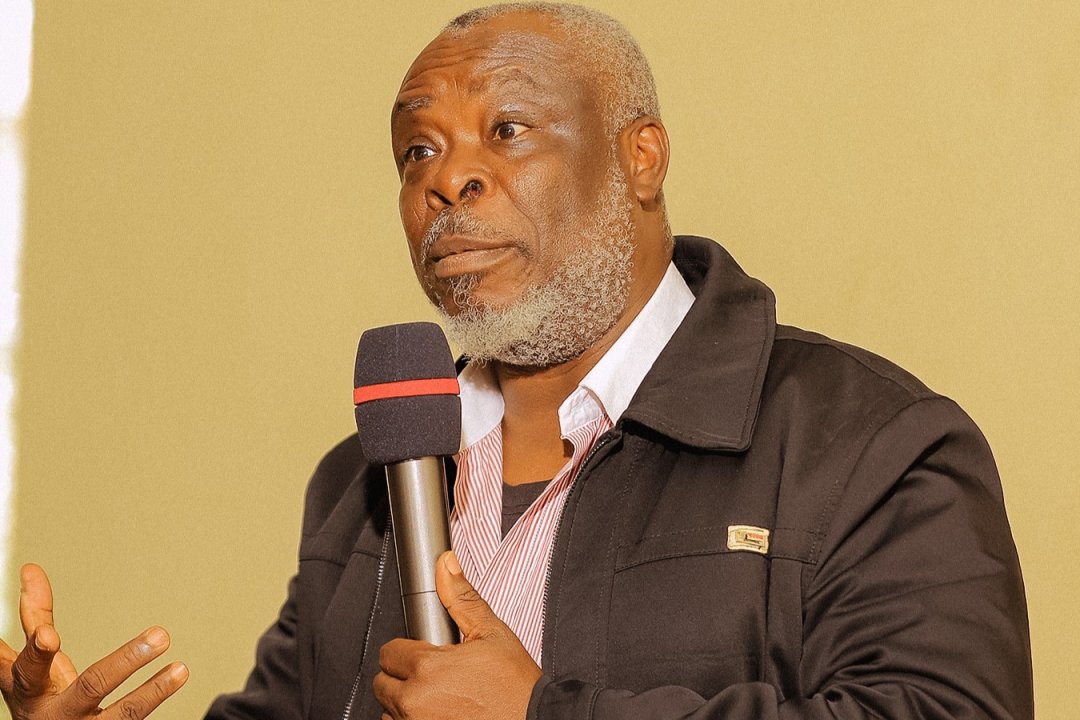
Taking participants into the heart of the subject, Prof. Olubukola challenged them to think of stress beyond its familiar psychological dimension, explaining that the social environment encompasses the conditions in which people live, work and interact.
He identified poverty, debt, economic insecurity, demanding work environments, relationship conflicts, family difficulties, social rejection, discrimination and uncertainty among experiences that can create sustained pressure.
“The social world can enter this system. The social world can become biology,” he said.
Prof. Olubukola explained that the body is constantly influenced by its environment through what people hear, eat, experience and breathe. At the same time, it possesses mechanisms for maintaining internal balance, a process known as homeostasis.
He noted that stress is not inherently harmful, but repeated and prolonged exposure can place excessive demands on the body’s regulatory systems.
“The stressor is not the problem, but it becomes a problem when it is repeated,” he stressed.
According to the lecturer, persistent stress can contribute to biological changes involving inflammation, oxidative stress and cellular processes. He particularly discussed mitochondria, which play a central role in cellular energy production, explaining that prolonged stress may affect their functioning.
The discussion provided a basis for distinguishing chronological age from biological ageing. Prof. Olubukola noted that people who are the same chronological age may not necessarily have the same biological condition because of differences in their experiences and environmental exposures.
“Chronological age is quite different from biological ageing”, he noted.
During the question-and-answer session, Prof. Olubukola further explained the body’s ability to maintain balance in the face of environmental pressures. He noted that the body has natural protective mechanisms, including antioxidants, but that chronic and incessant exposure to stressors may overwhelm these systems.
He encouraged participants to identify the specific sources of stress in their lives and deal with them rather than allowing them to accumulate. Using relationships and financial pressures as examples, he urged individuals to examine the source of tension, determine what can be changed or reduced, and manage situations constructively.
“Observing things critically is purely identifying stressors,” he said.
The lecture also examined the potential role of medicinal plants such as hibiscus and citrus fruits in protecting the body against processes associated with stress and ageing.
Prof. Olubukola explained that plants contain bioactive compounds such as polyphenols, terpenoids, saponins and alkaloids, which are subjects of scientific investigation because of their biological activities.
He, however, cautioned against equating traditional use or perceived positive effects with established medical benefits.
“Positive effects are not the same as proven benefits”, he noted.
He stressed the importance of scientific validation, standardization, chemical analysis and safety assessment when evaluating medicinal plants and their products. He also cautioned against indiscriminate use of herbal preparations and encouraged people using medicinal products to inform their healthcare providers.
Beyond medicinal plants, the lecturer encouraged participants to adopt practical approaches to managing stress, including identifying stressors, maintaining healthy social connections, getting adequate rest and seeking professional support where necessary.
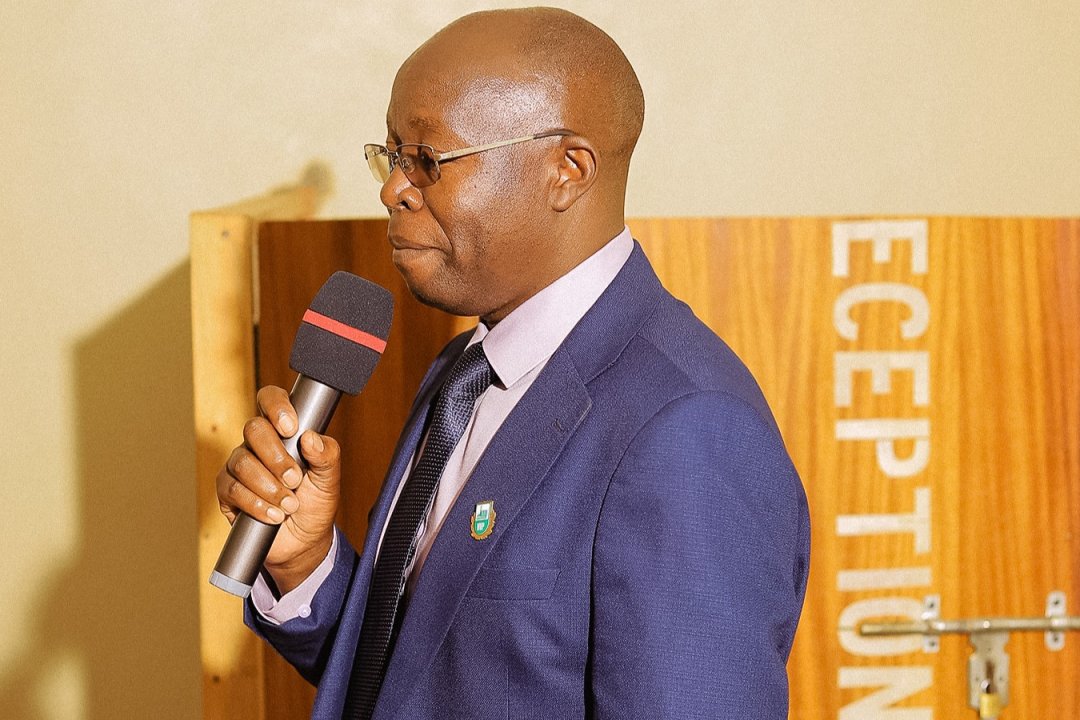
In his closing remarks, Assoc. Prof. Eric Mabonga, Deputy Vice Chancellor (DVC), KIU-WC, commended Prof. Olubukola for a presentation that provided knowledge and guidance applicable to everyday life.
Prof. Mabonga noted that the subject was relevant to everyone because stressors are part of everyday life, while encouraging the University community to continue participating in similar academic engagements.
He also emphasized the importance of sustaining public lectures that broaden knowledge and contribute to learning beyond the classroom.
“Learning does not end,” Prof. Mabonga said, encouraging participants to continue building on the knowledge gained through future engagements.

In a gesture of gratitude, he presented Prof. Olubukola with a Certificate of Appreciation, honoring his valuable contribution to the public lecture.
By bringing social experiences, stress, biological ageing and medicinal plants into one conversation, the lecture offered participants a deeper perspective on how the world around them may intersect with processes taking place within the body.