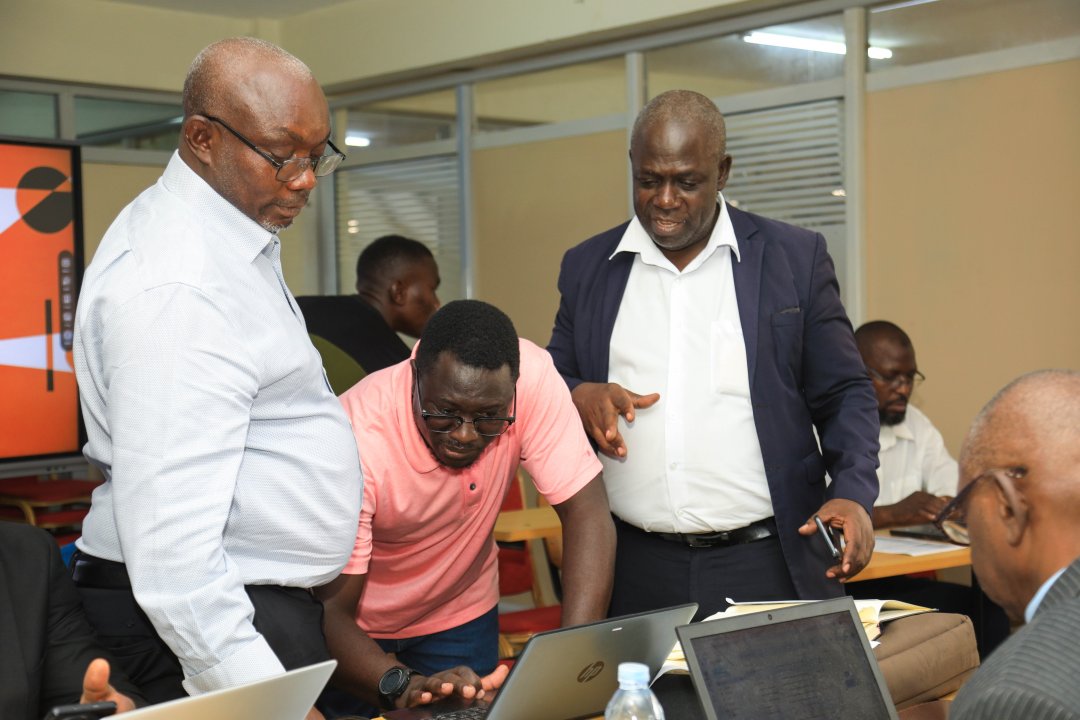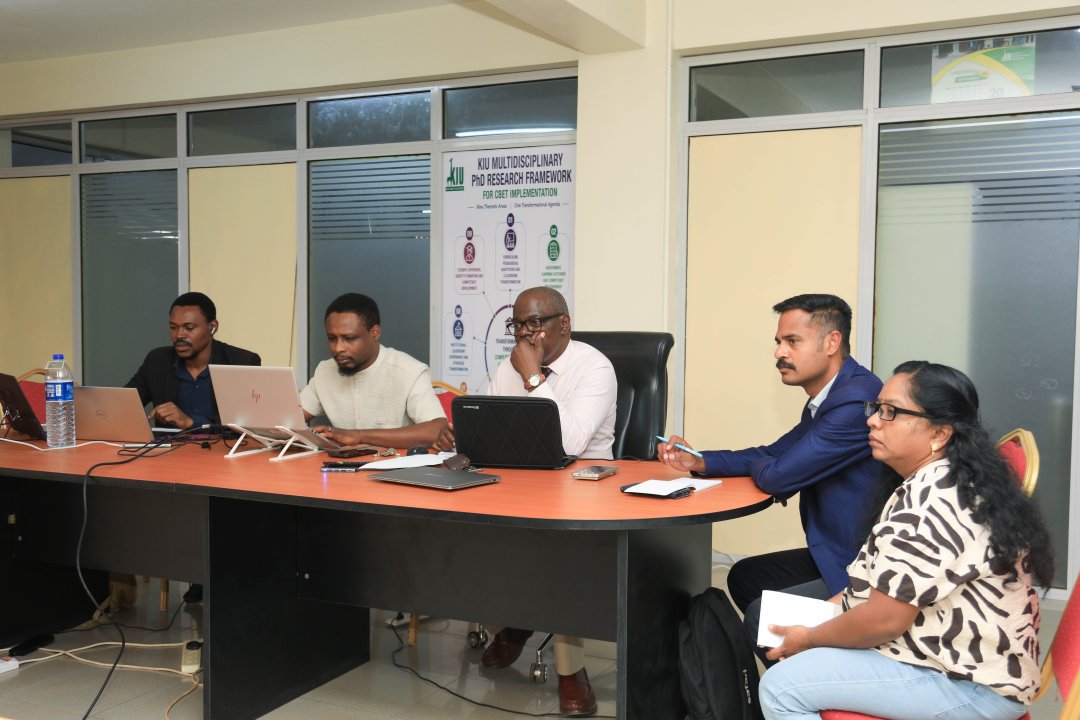
KIU Directorate of Quality Assurance & Monitoring Conducts Pedagogy Training for Academic Staff
- Agnes Kiconco
- /
- September 24, 2025
- 1070
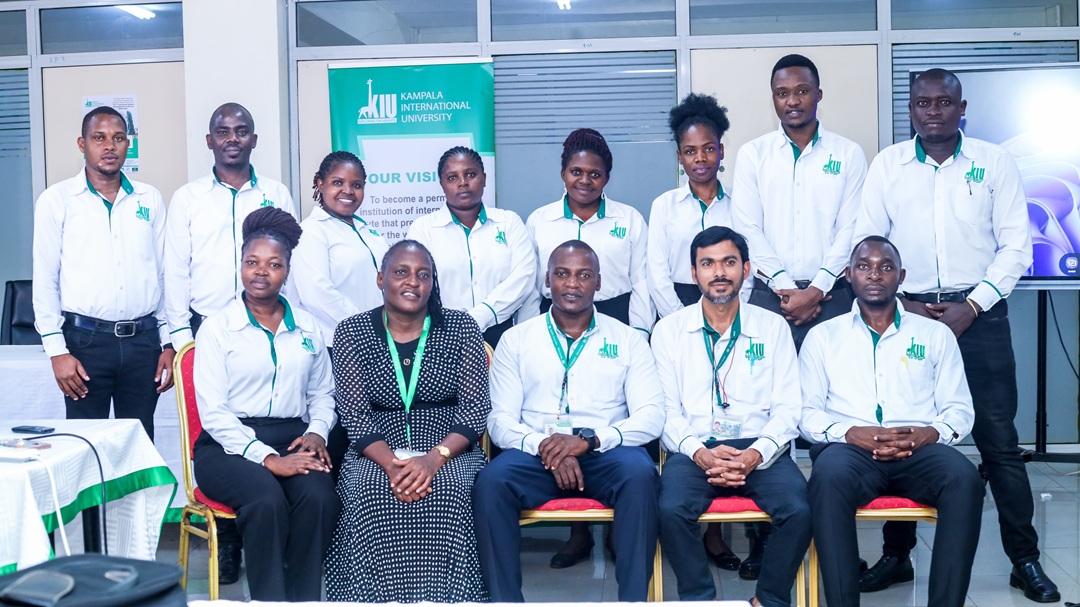
KIU, MAIN CAMPUS - On Tuesday, 23rd September 2025, the Directorate of Quality Assurance and Monitoring at Kampala International University (KIU) Main Campus held a comprehensive pedagogy training for academic staff, focusing on the implementation of the Competency-Based Curriculum (CBC).
This initiative aligns with the directive from the Ministry of Education and Sports, which calls on Higher Education Institutions (HEIs) to prepare for the incoming cohort of learners educated under the revised competence-based O-Level and A-Level curricula.
Officially launching the training, Dr. Mundu Mustafa, Deputy Vice Chancellor for Finance and Administration, emphasized the importance of adapting academic programs and teaching methodologies to support these learners as they transition into higher education.
“This shift requires a thorough review and alignment of curricula across all programs to a competence-based approach—one that emphasizes mastery of specific job and life skills, while integrating soft skills development into the teaching and learning process,” Dr. Mustafa stated. “Our goal is to prepare students not just for the world of work, but for lifelong learning.”
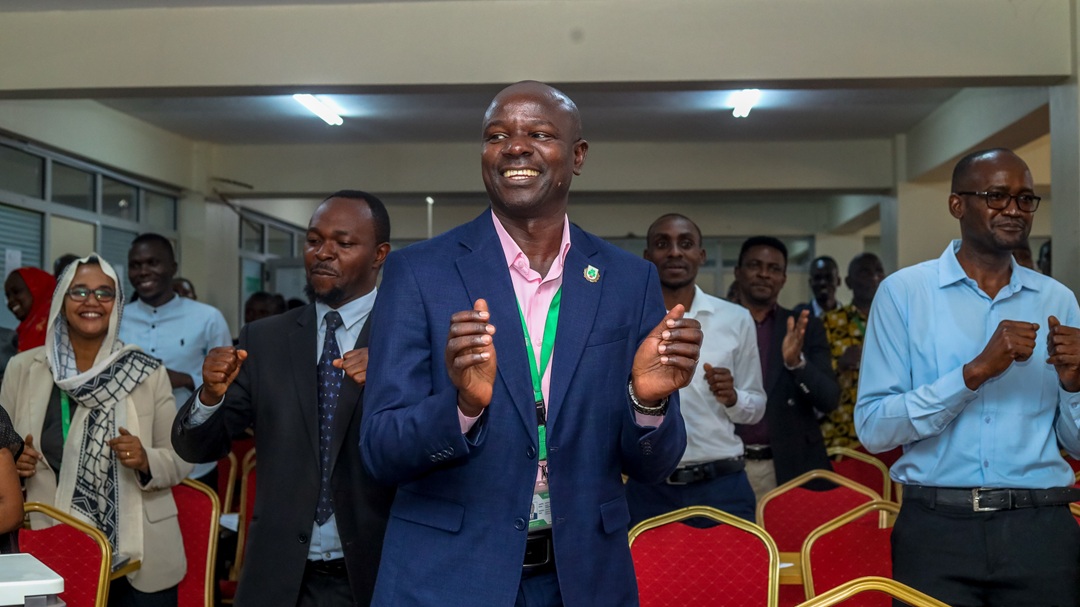
In a presentation titled Competence-Based Teaching and Learning as a Tool for Skill Development, Dr. Derrick Ssekajugo, Deputy Principal of the College of Economics and Management (CEM), proposed several learner-centered teaching strategies.
“Today’s learners are active and well-informed. They construct knowledge through participation, exploration, and inquiry,” he noted. “Effective approaches include inquiry-based learning, experiential learning, problem- and project-based learning, case-based learning, and discovery learning.”
Dr. Ssekajugo also challenged lecturers to reflect on their own competencies: “As we embrace a competence-based curriculum, we must ask ourselves: Are we truly adding value to our students?”
Expanding on the theme of learner empowerment, Prof. Muhammad Ndaula, Former Vice Chancellor, delivered a thought-provoking presentation on Philosophical Foundations of Teaching and Learning. He explored the nature of knowledge and its acquisition, drawing on classical educational philosophy.
Quoting Jean-Jacques Rousseau’s Emile, or On Education, Prof. Ndaula remarked: “We should not teach children the sciences; but give them a taste for them.”
“By engaging learners experientially, they learn faster and more effectively,” he added.
Prof. Ndaula also referenced John Dewey’s emphasis on experiential learning, noting that real-world engagement fosters deeper understanding and retention.
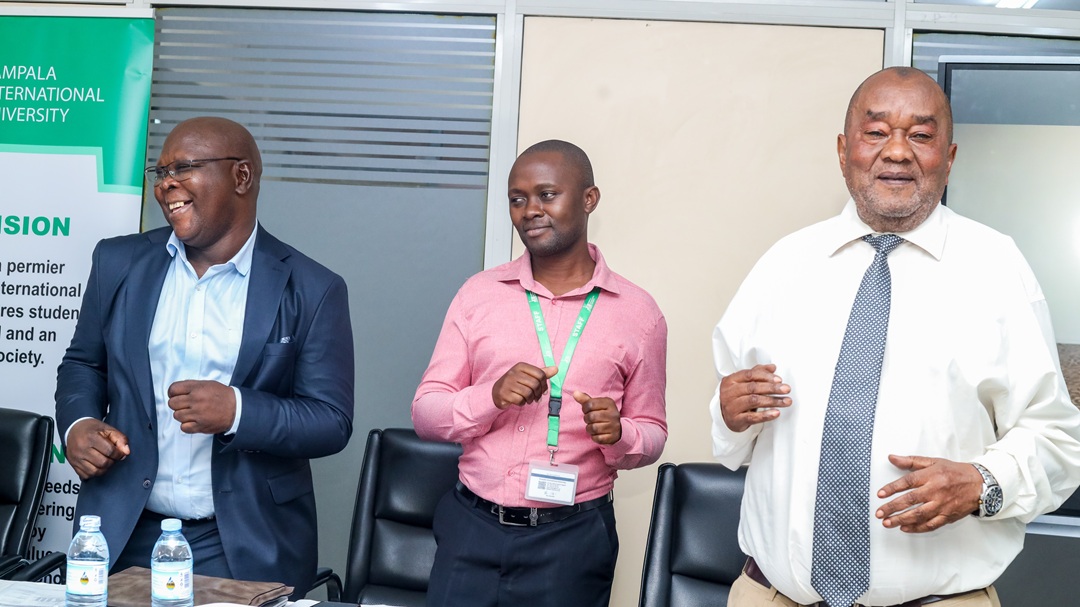
Addressing the critical role of assessment, Dr. Gidraf Joseph Wanjala, Senior Lecturer and Principal of the College of Education, Open and Distance Learning (CEODL), presented on Understanding Assessment Techniques in the Teaching and Learning Process.
“There is no assessment without teaching, and no teaching without learning,” he explained, adding, “Teachers must be attentive to learners’ needs, sustain their engagement, and promote self-evaluation through assessment questions, group work, and performance tasks.”
To ensure successful implementation of the CBC, Dr. Jacob Ashibi, Deputy Vice Chancellor for Academic Affairs, called for continued action and innovation.
“We must build on existing practices such as field trips, skilling classes, and staff training in modern pedagogical methods,” he said.
Concluding the session, Dr. Irene Muriithi Wanjiru, Director of Quality Assurance, recommended benchmarking with peer institutions to gain insights into effective CBC implementation strategies.
“Learning from others will help us refine our approach and ensure our academic programs remain relevant and impactful,” she advised.