KIU Joins €719,897 EU-Funded SHAPE Project to Advance Smart City Education in East Africa
- Obinna Osigwe
- /
- June 19, 2026
- 818
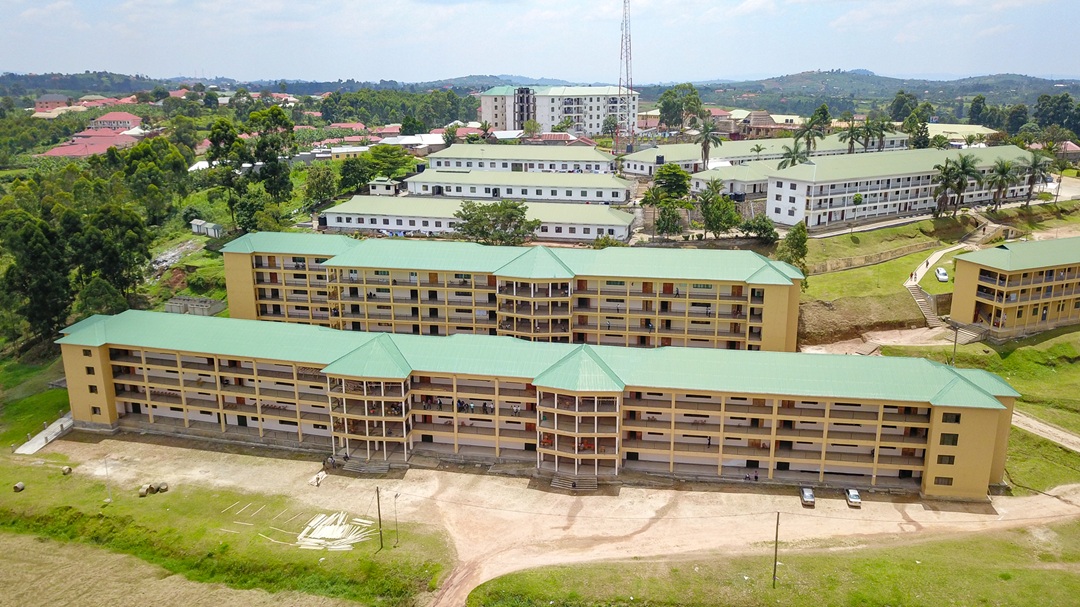
KIU, Main Campus - Kampala International University has officially joined leading universities from Africa and Europe in the implementation of the Smart Cities Higher Education Advancement Project (SHAPE), an Erasmus+ funded project designed to strengthen smart city education, innovation, digital transformation, and sustainable urban development across East Africa.
The project was officially launched during a consortium kick-off meeting held virtually on 18 June 2026, bringing together a consortium of nine universities from six countries: Moi University and the Open University of Kenya (Kenya); Kampala International University and Makerere University (Uganda); Red Sea University and Mogadishu University (Somalia); Otto von Guericke University Magdeburg (Germany); the University of Tartu (Estonia); and the Lietuvos Sveikatos Mokslu Universitetas (Lithuania). The consortium secured European Union funding amounting to €719,897 to support the development of smart city skills, curricula, innovation ecosystems, and international collaboration between African and European higher education institutions.

Speaking during the launch meeting, the overall Project Coordinator, Prof. Henry Kiriamiti of Moi University, congratulated the consortium on successfully securing the competitive grant and emphasized the importance of immediate implementation.
"Today we wanted to congratulate ourselves and agree that the project has started. From there now, we can be able to be on our toes so that we can be able to work," Prof. Kiriamiti said.

He further commended the consortium members for their commitment throughout the proposal development process, noting that the project was the result of extensive collaboration among the participating institutions.
The SHAPE project will focus on identifying smart city skills needs within East Africa, developing new smart city curricula, establishing innovation laboratories, promoting virtual exchanges between African and European universities, organizing innovation hackathons, and creating a sustainable EU–East Africa Smart Cities Network.
Dr. Dimitris Symeonidis from the University of Tartu, Estonia, highlighted the importance of active engagement among partners and the value of in-person collaboration throughout the project lifecycle.
"We should take advantage of these activities because they can lead not only to curriculum development but also to research publications and broader collaboration opportunities," he noted.
Representing Kampala International University, Dr. Mundu Mustafa emphasized the importance of maintaining focus on project outputs and timelines.
"The schedule for project meetings should depend on the deliverables. We need to align activities with agreed milestones and timelines to ensure successful implementation," Dr. Mundu stated during the discussions.
The consortium also reviewed governance arrangements, financial management procedures, project monitoring mechanisms, and the development of a consortium agreement that will guide collaboration among all participating institutions. A dedicated monitoring platform was introduced to track work packages, milestones, deliverables, and project progress across the consortium.
For KIU, participation in SHAPE represents another significant milestone in its growing internationalization agenda and reinforces the University's commitment to advancing research, innovation, digital technologies, renewable energy applications, and smart city solutions that address emerging urban challenges in Africa.
Through this partnership, KIU will contribute to curriculum development, research collaboration, capacity building, innovation activities, and knowledge exchange initiatives that will help prepare the next generation of professionals and leaders for smart and sustainable cities across East Africa.
The SHAPE project is expected to strengthen collaboration between African and European universities while creating new opportunities for academic staff, researchers, students, industry partners, and policymakers to engage in transformative smart city initiatives with regional and global impact.