Silent Epidemic: Youth Substance Abuse — A Global Crisis, A National Threat, and a Bushenyi Emergency
- Nakanwagi Annet
- /
- Jul 07, 2026 08:34 am
- 7
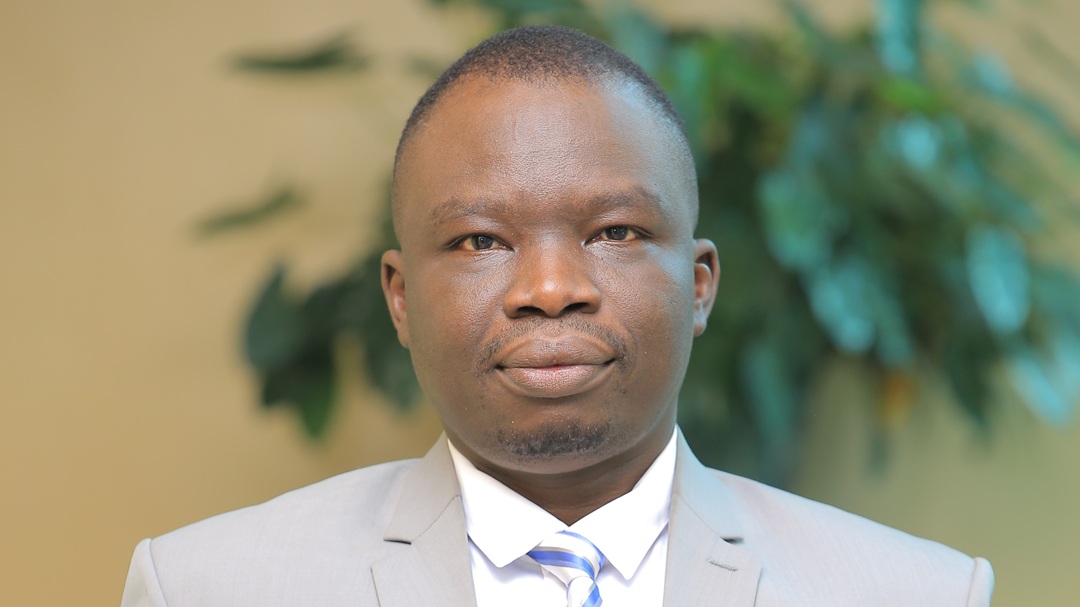
By Dr. Umi Omar Bunu, CEO, KIU Teaching Hospital and Research (KIUTHR)
Across the world today, youth substance abuse has evolved from a social concern into a full‑blown public health emergency. From North America to Europe, from Asia to Africa, communities are grappling with rising addiction, mental health breakdowns, and the erosion of young people’s potential. Uganda is no exception. And here in Bushenyi District, Western Uganda, the crisis is no longer theoretical — it is unfolding in real time, in our homes, schools, trading centres, and streets.
As a researcher and health leader, I conducted a study to understand the depth of this crisis. What I found is deeply troubling: youth substance abuse is silently destroying lives, destabilizing families, and weakening the social fabric that holds our communities together.
This is not a distant problem. It is here. It is now. And it demands urgent, coordinated action.
Bushenyi in Focus: A Generation at Risk
In Bushenyi’s trading centres and villages, alcohol and drugs have become dangerously normalized. Locally brewed alcohols — Waragi, Malwa, Tonto — are cheap, accessible, and widely consumed. Cigarettes, marijuana, shisha, and other psychoactive substances follow closely. My study revealed that more than half of the youth surveyed had used substances, many beginning as early as adolescence. What starts as experimentation quickly becomes dependency, and dependency becomes a pathway to violence, crime, and mental breakdown.
The drivers are clear – Peer pressure, unemployment and poverty, stress and emotional distress, weak parental guidance, easy access to alcohol and drugs, and cultural acceptance of drinking. These factors combine to create a perfect storm — one that is sweeping young people into addiction and despair.
When Substance Abuse Fuels Crime and Violence
The link between substance abuse and criminal behaviour is undeniable. If left unaddressed, Bushenyi risks rising crime rates, weakened community safety, and a generation unable to contribute meaningfully to society.
The Hidden Mental Health Emergency
Behind the statistics are young people battling depression, anxiety, aggression, hopelessness, withdrawal symptoms, and social isolation. Yet very few seek help. Stigma, denial, poverty, and limited mental health services keep many trapped in silence. Addiction is still seen as “bad behaviour” rather than a medical condition requiring treatment.
Key Policy Recommendations
The findings of my study point to a clear conclusion: youth substance abuse is not just a moral issue or a policing matter — it is a public health and development emergency. To reverse the trend, we must adopt a holistic, multi‑sectoral approach.
- Strengthen enforcement of alcohol and drug regulations – Crack down on illegal brewing and sales to minors, and empower local councils and law enforcement.
- Expand community‑based counselling and rehabilitation services - Establish youth‑friendly mental health centers. Train local health workers in addiction management. Provide safe spaces and positive alternatives, build confidence, discipline, and purpose.
- Invest in youth employment and vocational training – Reduce idleness and economic vulnerability. Create pathways to meaningful livelihoods. Create district‑level task forces, share data, coordinate interventions, and monitor progress.
- Introduce school‑based drug education programs – Teach prevention, coping skills, and resilience, Engage teachers, counsellors, and peer educators
- Strengthen family‑centered interventions – Parenting workshops, Family counselling, Community support networks
Conclusion: Protecting the Next Generation
Let us remember that every young person deserves the same opportunity to thrive. Substance abuse should not be the barrier that steals their future.
I conducted this study because I believe in the potential of Uganda’s youth. I believe in the power of community. And I believe that with the right policies, compassion, and leadership, we can turn the tide.
The future of Uganda depends on the choices we make today. Let us choose to protect, empower, and uplift our young people — before the silent epidemic becomes an irreversible tragedy.