KIU Western Campus Hosts 4th Public Lecture on the Inflammation Epidemic: The Dietary Roots of Brain Fog, Chronic Pain, and Premature Aging
- Obinna Osigwe
- /
- August 28, 2025
- 5711
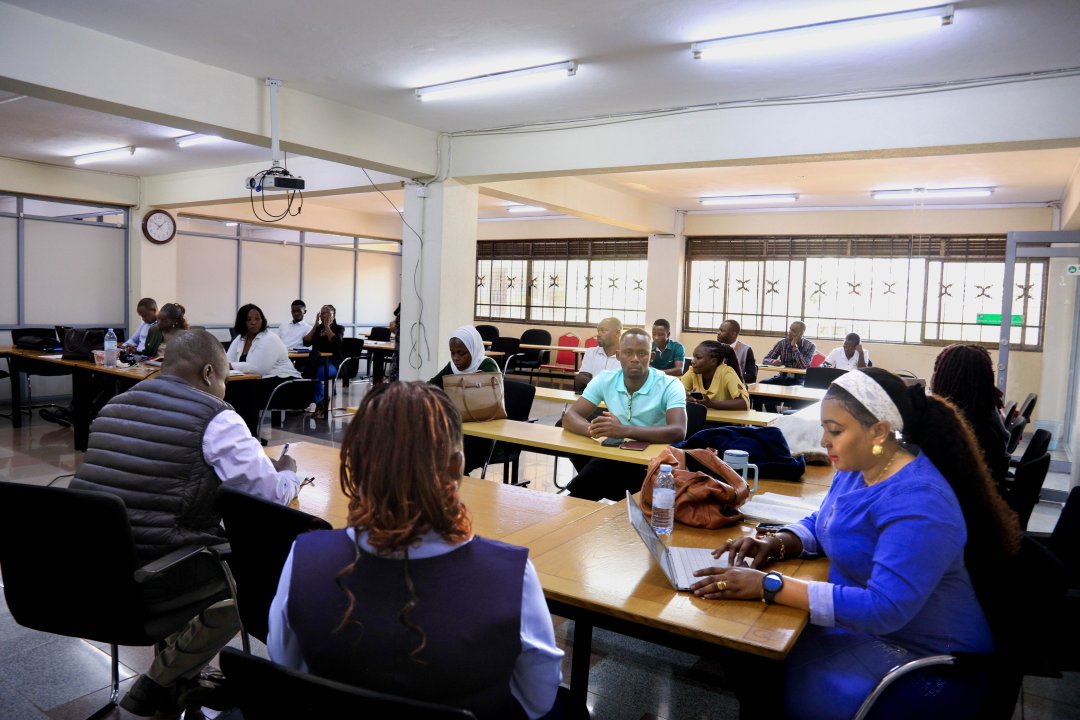
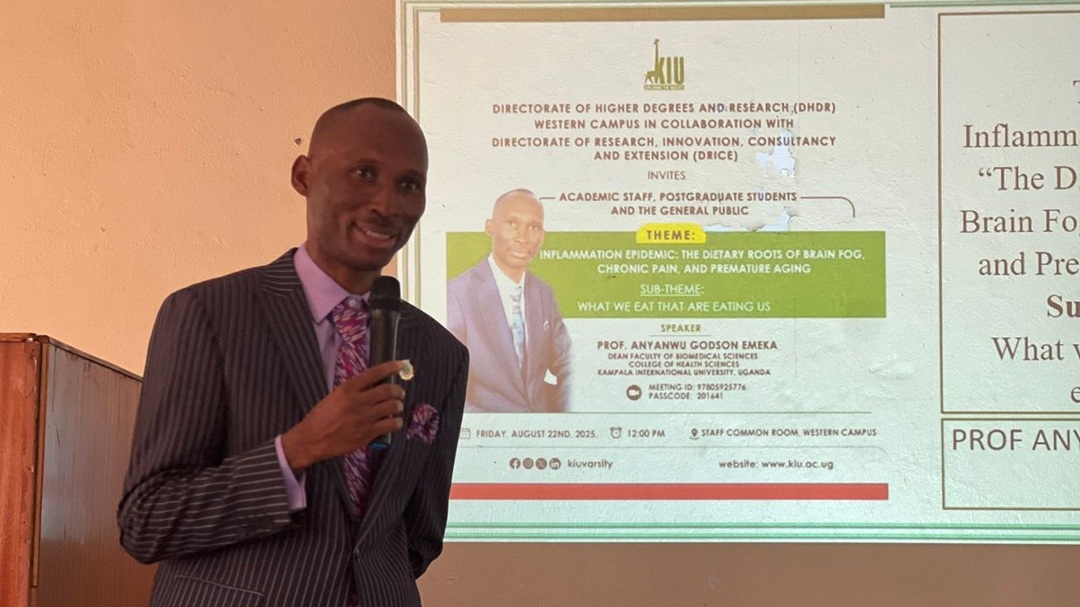
KIU, Western Campus - Kampala International University, Western Campus (KIU-WC), on Friday, August 22, 2025, hosted its 4th Public Lecture Series under the theme “Inflammation Epidemic: The Dietary Roots of Brain Fog, Chronic Pain and Premature Ageing.” The subtheme of the lecture was "What we eat that is eating us."
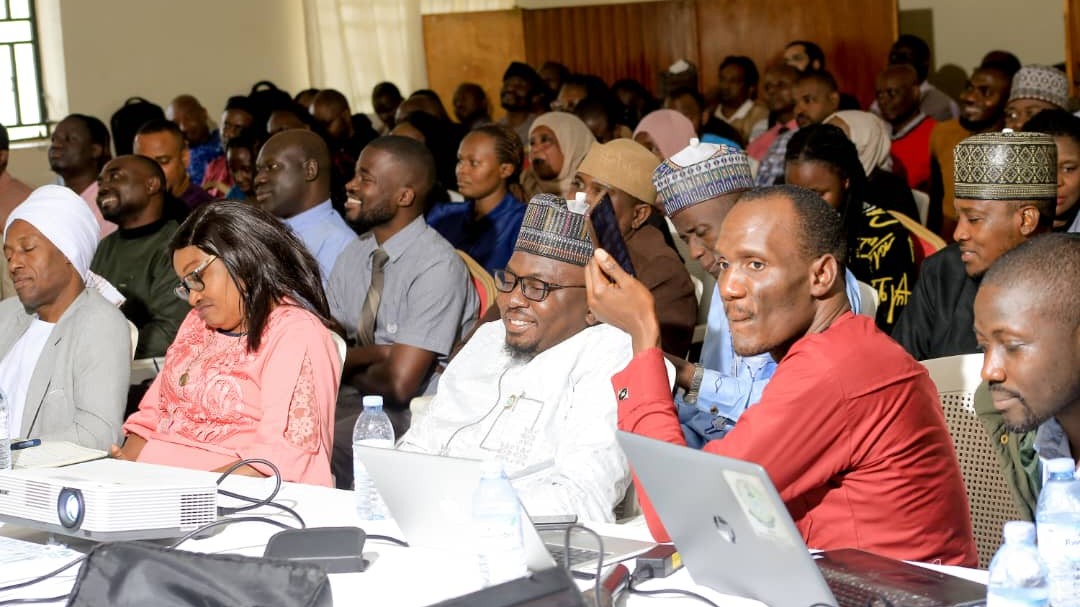
The event, held in the Staff Common Room, attracted 95 participants, with 70 attending physically and 25 attending online. The hybrid session, moderated by Prof. Patrick Maduabuchi Aja, brought together senior management, faculty, students, and guests for an engaging exploration of how diet fuels or mitigates inflammation.
In his opening remarks, Prof. Eric Mabonga, Deputy Vice Chancellor (DVC), emphasised the importance of public lectures as spaces where knowledge transcends disciplinary boundaries. He encouraged academicians and the wider public to seize such opportunities for learning and thanked the day’s speaker for spotlighting an issue that resonates globally. Ms Asiati Mbabazi, University Secretary, echoed these sentiments in her special remarks, underscoring the university’s commitment to advancing knowledge through open dialogue.
In his keynote lecture Prof. Anyanwu Godson Emeka, Dean of the Faculty of Biomedical Sciences, urged the audience to view diet as a daily health intervention with far-reaching implications. He reframed the idea of an epidemic, explaining that while viral outbreaks often dominate public health narratives, a quieter and equally destructive crisis is unfolding “from our dinner plates”.
According to him, ultra-processed foods, excess sugars, and poorly balanced fats are driving chronic, low-grade inflammation that manifests in conditions such as obesity, diabetes, cardiovascular diseases, neurodegenerative disorders, and premature ageing. He walked participants through the progression from gut imbalances to systemic inflammation, noting that disruption of the gut barrier, commonly referred to as “leaky gut”, allows bacterial toxins to enter the bloodstream, sparking inflammatory cascades that impair immunity, brain function, and longevity.
Prof. Emeka analysed the brain–gut axis in detail, illustrating how the vagus nerve, immune signalling, and microbial interactions form a delicate balance that can be tipped into dysfunction by unhealthy eating patterns. He highlighted sugar and high-glycaemic foods as particularly harmful, describing them as “sweet poison” that fuels insulin resistance, microbial imbalance, and cognitive decline. Red and processed meats, especially when preserved or cooked at high heat, were also implicated, given their role in producing toxic compounds such as advanced glycation end-products, heterocyclic amines, and polycyclic aromatic hydrocarbons. These, he argued, intensify oxidative stress, joint deterioration, and cancer risks.
The lecture, however, was not limited to warnings. Prof. Emeka offered practical solutions rooted in cultural and local dietary traditions. He highlighted anti-inflammatory diets such as the Mediterranean and DASH models but stressed their adaptability to East African contexts. Locally available options like tilapia, mukene, simsim, sorghum, millet, leafy greens, tropical fruits, and traditional fermented drinks such as obushera and mala were celebrated as protective alternatives. He coined the phrase “pharmacy on a plate” to emphasise that small but intentional dietary shifts, such as swapping sugary drinks for herbal teas, including more legumes, and observing “Meatless Mondays”, could dramatically reduce inflammation and enhance wellbeing.
The keynote address was followed by a panel discussion featuring Prof. Ahmed Kiswezi, Dr Wusa Makena, and Dr. Julius Tibyangye, who expanded on the medical, social, and cultural dimensions of the topic. Their insights set the stage for a lively question-and-answer session, where participants interacted directly with the speaker on meal planning, safer cooking practices, and integrating traditional foods into modern diets.
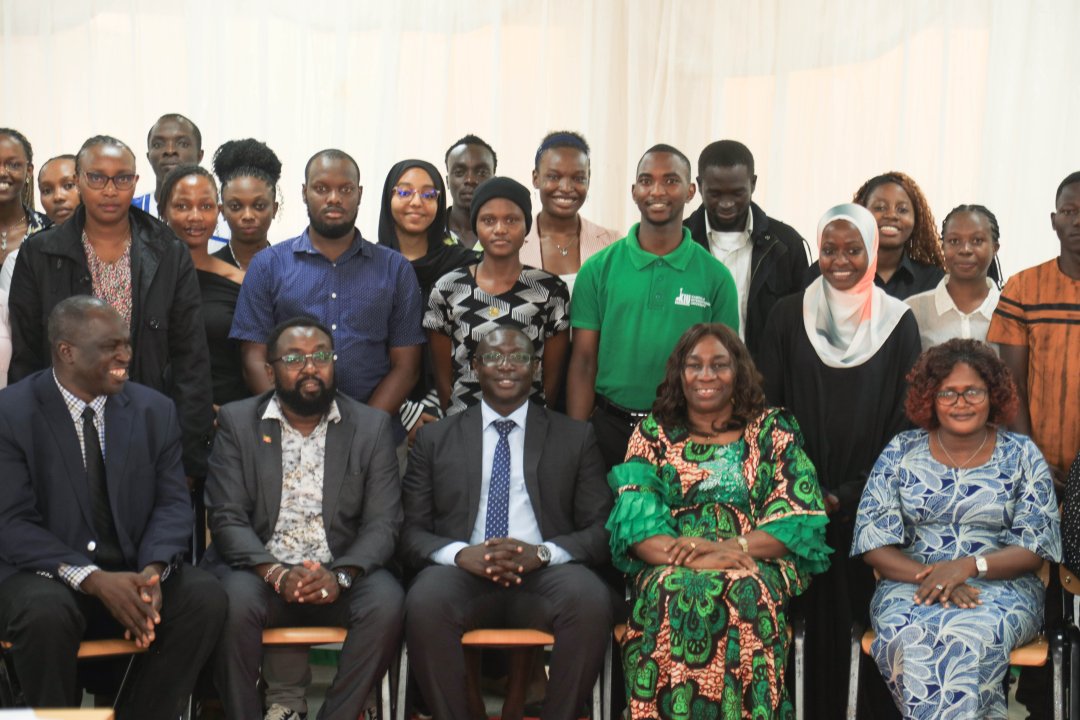
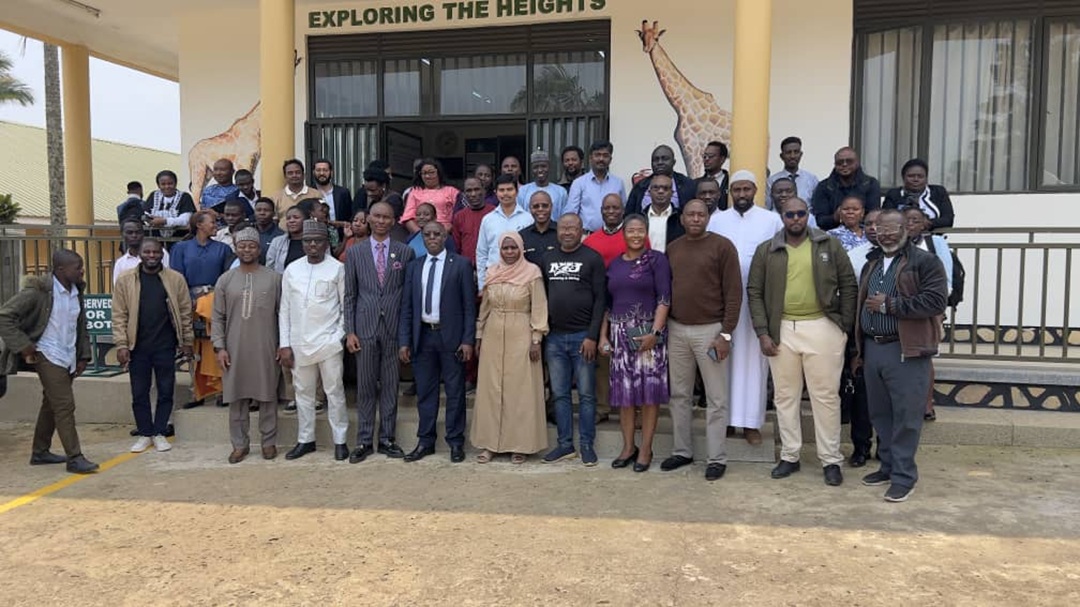
As the event drew to a close, the DVC Western Campus and the University Secretary presented a Certificate of Recognition to Prof. Emeka for his impactful lecture. A group photograph concluded the programme, marking the end of a session that left attendees enriched with evidence-based knowledge and practical strategies for combating inflammation through food choices.
The lecture served as a timely reminder that while epidemics can appear sudden and external, some of the most dangerous health crises are quietly self-inflicted through daily habits. By turning back to wholesome, traditional, and balanced diets, communities can take a powerful step toward reducing brain fog, chronic pain, and premature ageing, ensuring a healthier future for generations to come.