KIU Strengthens Regional Leadership at OPTIC‑TB Annual General Meeting in Zanzibar
- Obinna Osigwe
- /
- April 30, 2026
- 480
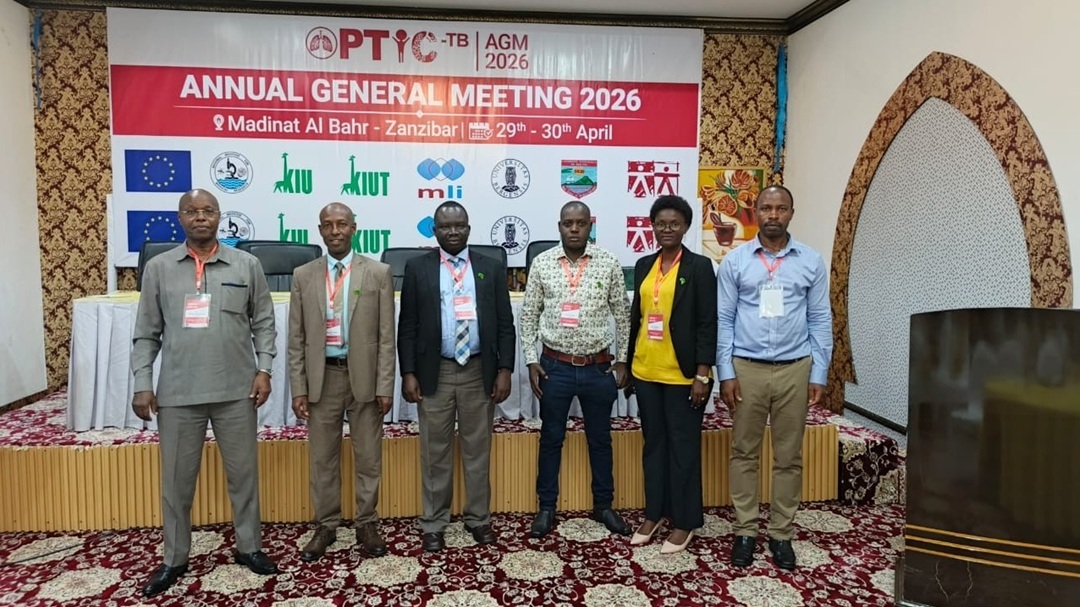
KIU, Main Campus—Kampala International University (KIU) participated in the OPTIC TB 2nd Annual General Meeting held on 29–30 April 2026, at Medinat Al Bahr Hotel in Zanzibar, Tanzania, where consortium partners reviewed trial milestones, shared implementation progress, and coordinated the next phase of a major regional childhood tuberculosis research study.
The OPTIC TB project (Optimizing Childhood TB Treatment Decision Algorithms) is a multi-country clinical research initiative coordinated by the University of Bergen (UiB), Norway. The project aims to improve early diagnosis and treatment of tuberculosis among children under 10 years in Uganda, Tanzania, and the Democratic Republic of Congo through evaluation of WHO-recommended treatment decision algorithms across participating health facilities.
The meeting brought together project partners including:
• University of Bergen (UiB), Norway
• National Institute for Medical Research (NIMR), Tanzania
• Université Catholique de Bukavu (UCB), DR Congo
• Kampala International University in Tanzania (KIUT), Tanzania
• Makerere University Lung Institute (MULI), Uganda
• Kampala International University (KIU), Uganda
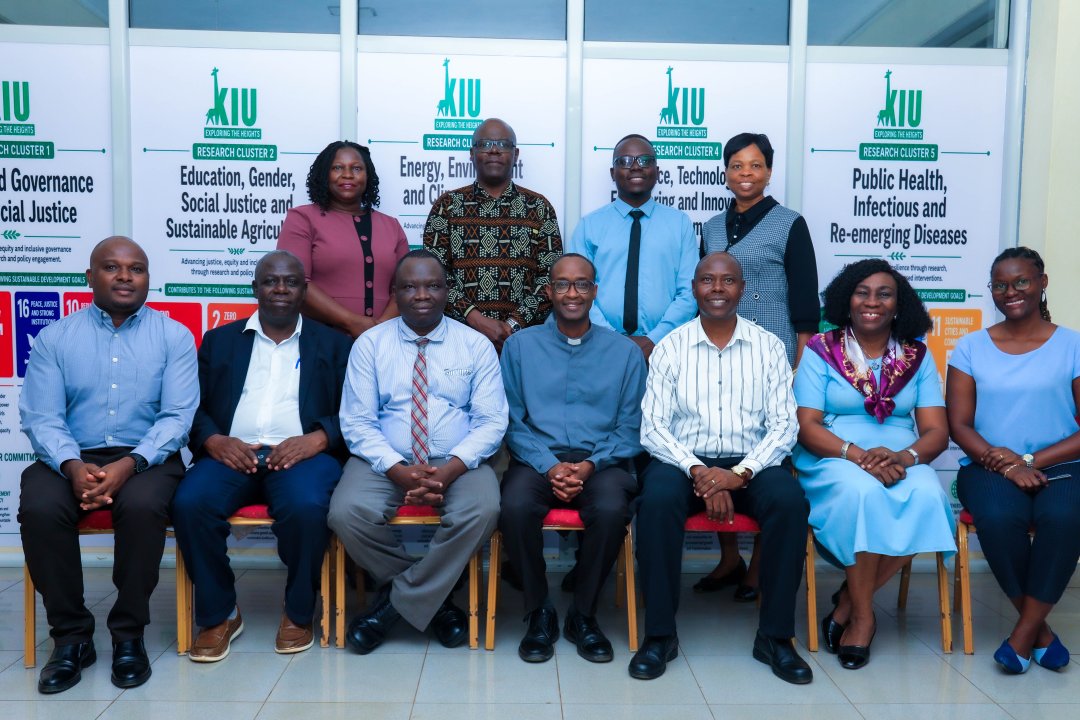
KIU’s delegation comprised: Dr. Mundu Mustafa (DVC Finance & Administration), Dr Umi Bunu Omar (CEO, KIU Teaching Hospital and Research), Prof. Martin Ndiwimana, Prof. Walyedin Elfakey, Ms. Gloria Mahoro, and Mr. Richard Kalule, reflecting the university’s strong institutional commitment to regional health research and consortium governance. KIU PhD student Peter Mpamizo also delivered a presentation during the PhD scholars’ session, showcasing the university’s growing contribution to postgraduate research and scientific capacity strengthening.
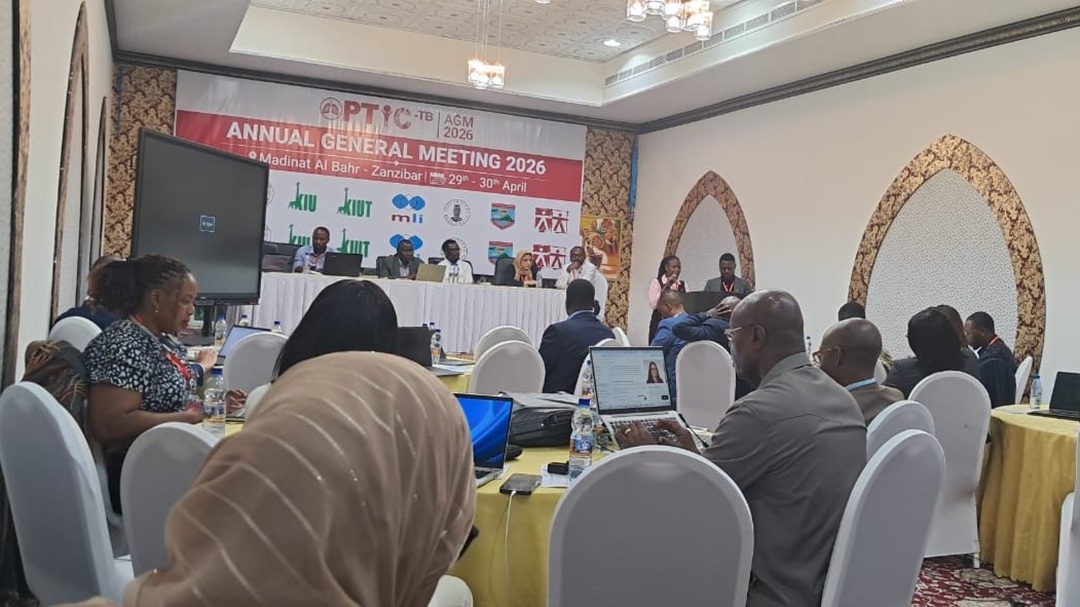
Day One: Country Progress, Work Packages, and PhD Contributions
Day One of the meeting focused on introductions, presentation of meeting objectives, institutional remarks from consortium partners, and an overview of project implementation progress across participating countries. Country updates from Uganda, Tanzania, and DR Congo highlighted trial milestones, operational experiences, and coordination priorities across study sites.
During the discussions, the overall Project Coordinator, Prof. Amani Mori of UiB, commended the progress made by the Uganda team and encouraged consortium partners to undertake benchmarking visits to Uganda—particularly at KIU and MULI—to learn from their implementation experience and best practices in advancing OPTIC TB trial activities. This recommendation underscored Uganda’s growing leadership role within the consortium.
Day Two: Technical Coordination, Compliance, and Future Directions
Day Two focused on strengthening technical coordination and ensuring effective implementation of upcoming project activities. Sessions addressed European Union grant compliance requirements, including:
• Tracking alignment between budgets and activities
• Ensuring eligibility of costs
• Supporting accurate financial reporting across partner institutions
Updates were also presented on the validation protocol, process evaluation activities, and manuscripts emerging from the baseline survey, reflecting steady scientific progress of the trial.
The programme further included updates on short course training initiatives designed to strengthen institutional research capacity, followed by breakout sessions involving data management teams, quality assurance units, finance teams, project management teams, and postgraduate scholars and supervisors to harmonize implementation approaches across consortium sites.
The meeting concluded with discussions on upcoming collaborative research and grant opportunities, alongside closing remarks from national tuberculosis programme stakeholders emphasizing the importance of translating emerging project findings into national TB control strategies across participating countries.
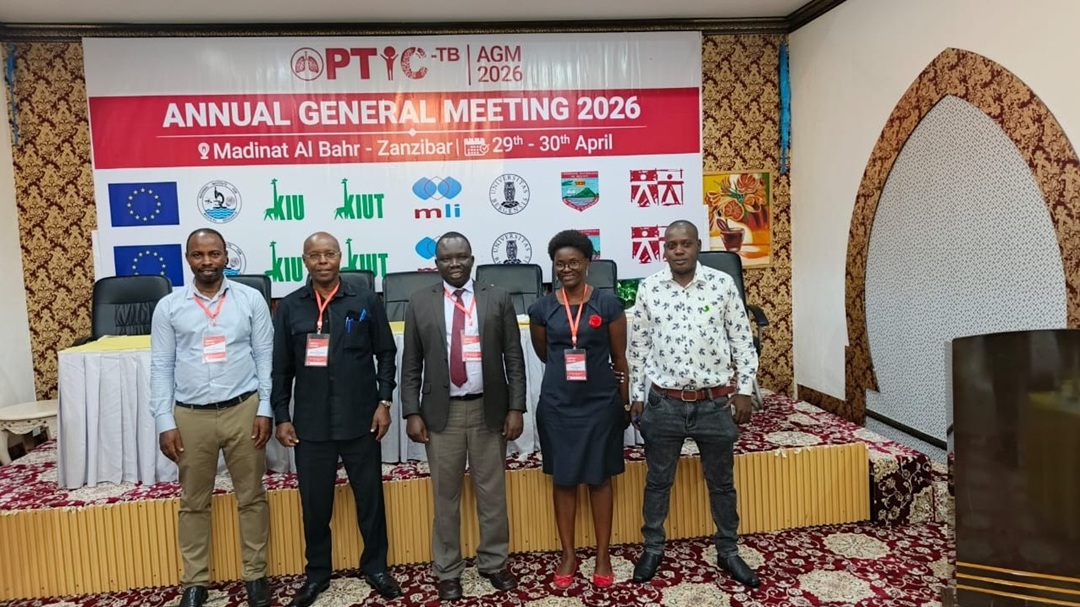
KIU’s Expanding Role in Regional Health Research
KIU’s participation in the Annual General Meeting reinforces its continued contribution to international collaborative health research and its expanding role in supporting evidence-based interventions aimed at improving childhood tuberculosis diagnosis, treatment pathways, and survival outcomes across sub-Saharan Africa. The recognition of KIU and MULI as benchmarking sites further highlights Uganda’s growing leadership within the OPTIC TB consortium and the wider regional TB research landscape.